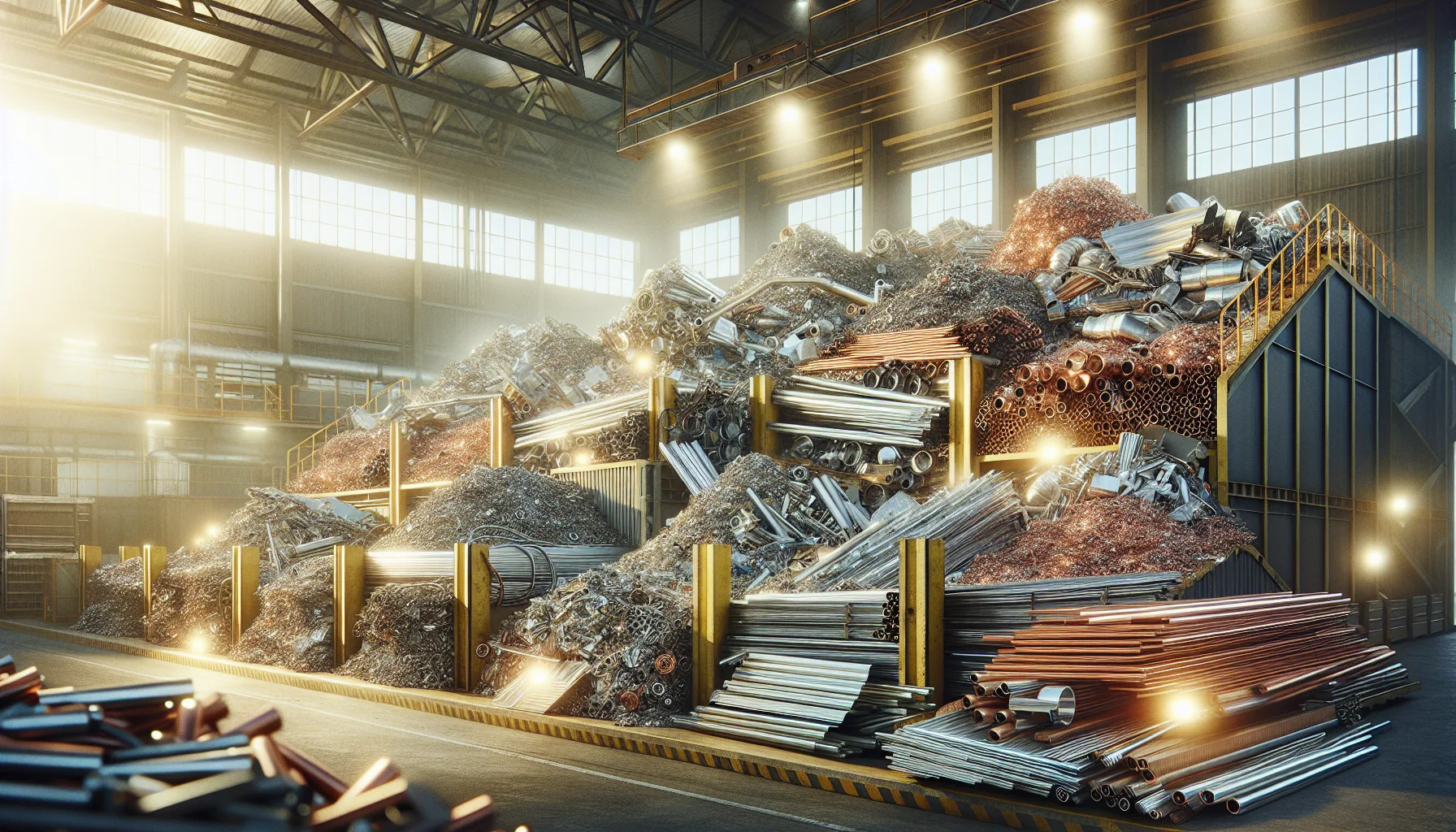
North American scrap metal markets felt a seismic shift in 2026 when new bilateral trade agreements reshaped pricing structures across borders. While global commodity trading drives baseline prices, regional trade policies now create pricing disparities that directly impact what sellers receive for their aluminum, copper, and steel. Understanding these policy effects helps scrap sellers maximize their returns in an increasingly complex market landscape.
Trade policies don't just affect international corporations — they ripple down to individual sellers looking to sell your scrap metal on GetMyScrap. When tariffs increase import costs for raw materials, domestic scrap becomes more valuable as manufacturers seek cost-effective alternatives. This dynamic particularly affects aluminum scrap price today, as North American aluminum production relies heavily on recycled content to meet growing demand.
How Import Tariffs Drive Domestic Scrap Values Higher
Import tariffs on primary metals create artificial price floors that benefit scrap sellers. When steel imports face 25% tariffs, domestic steel producers increase their recycled content to maintain competitive pricing. This surge in demand pushes scrap steel prices 15-20% above pre-tariff levels in many regions.
Aluminum follows a similar pattern. Current tariffs on aluminum ingots make recycled aluminum significantly more attractive to manufacturers. The energy savings alone — recycling aluminum uses 95% less energy than primary production — already favored scrap metal. Add tariff protection, and recycled aluminum becomes the clear economic choice for North American producers.
Regional markets like Ohio benefit substantially from these dynamics. Steel production facilities throughout the state increase their scrap procurement when imports become expensive. Akron's proximity to major steel centers means local sellers often see premium pricing when trade tensions escalate.
SMASH price tracking shows tariff-protected periods correlate with 12-18% higher average scrap prices across most metal categories. Smart sellers monitor trade policy announcements to time their sales during peak demand cycles.
Cross-Border Trade Agreements and Pricing Arbitrage
The updated USMCA trade framework creates unique pricing opportunities between U.S. and Canadian markets. Reduced cross-border friction allows scrap dealers to source material from the most cost-effective locations while selling into premium markets. This arbitrage effect particularly benefits border regions where transportation costs remain manageable.
Canadian scrap metal facilities often pay competitive rates for U.S. material when their domestic supply runs tight. However, regulatory differences between countries can complicate transactions. Environmental compliance standards vary significantly, affecting processing costs and final pricing.
Digital platforms like SMASH simplify cross-border transactions by standardizing pricing transparency and regulatory compliance. Sellers can compare offers from both sides of the border without navigating complex international trade requirements independently.
Exchange rate fluctuations add another layer of complexity. When the Canadian dollar strengthens against the U.S. dollar, Canadian buyers can afford higher prices for American scrap metal. Savvy sellers track currency trends alongside commodity prices to optimize their selling decisions.
Export Restrictions and Domestic Market Concentration
Recent export restrictions on strategic metals concentrate more supply within North American markets. When governments limit scrap metal exports to protect domestic manufacturing capacity, local markets see increased supply and modified pricing dynamics. These policies aim to ensure adequate raw materials for national security industries.
Copper scrap faces particular scrutiny under current export policies. Electronics manufacturing and renewable energy infrastructure require substantial copper inputs, making domestic supply security a priority. Export licenses now require detailed end-use documentation, slowing international sales and keeping more material in domestic markets.
This concentration effect benefits some sellers while challenging others. High-grade copper scrap still commands premium prices due to strong domestic demand. However, lower-grade materials may see price compression as export markets become less accessible.
Ohio's manufacturing base benefits from these policies. Local processors can source material more reliably when export competition decreases. Akron businesses selling scrap metal often find better pricing consistency during periods of restricted exports.
Platforms that find the best price for your scrap on SMASH help sellers navigate these regulatory changes by connecting them with compliant buyers who understand current export restrictions.
Currency Exchange Rate Impact on Scrap Metal Pricing
Exchange rate volatility significantly affects scrap metal pricing, especially in border regions where Canadian and Mexican buyers compete for U.S. material. A 10% currency swing can shift pricing advantages between countries overnight. Smart sellers monitor these fluctuations to time their sales when foreign buyers offer premium rates.
The U.S. dollar's strength in early 2026 made American scrap metal expensive for foreign buyers, concentrating demand within domestic markets. This concentration drove up local competition and pricing, particularly for high-value materials like copper and aluminum alloys.
Regional price variations become more pronounced during currency volatility. Cities near international borders see wider price swings as cross-border demand fluctuates. Akron's inland location provides some stability, as local pricing depends more on domestic industrial demand than international arbitrage.
Professional scrap buyers hedge against currency risk, allowing them to offer consistent pricing regardless of exchange rate movements. Individual sellers benefit by working with established buyers who can absorb currency volatility rather than passing it through to sellers.
Trade War Effects on Strategic Metal Pricing
Strategic metal classifications under current trade policies create distinct pricing tiers within the scrap market. Rare earth elements, titanium alloys, and high-grade steel alloys receive special treatment that affects their scrap values. These materials often command 20-30% premiums when export restrictions limit global supply.
Electronics scrap containing strategic metals sees the most dramatic price impacts. Circuit boards with rare earth components trade at premium prices when export controls limit international sales. Domestic refiners compete aggressively for this material to meet growing technology sector demand.
Steel scrap grades used in defense applications benefit from similar policies. High-strength alloys and specialty steels command premium pricing when international competition decreases. However, sellers must provide documentation proving legitimate sourcing to access these premium markets.
The complexity of strategic metal regulations makes professional guidance valuable. Services that help you get a fair price for your scrap today understand current classifications and connect sellers with appropriate buyers who can handle regulated materials properly.
Regional Market Dynamics and Transportation Costs
Transportation costs amplify trade policy effects on regional pricing. When import restrictions increase domestic demand, transportation becomes a limiting factor in price arbitrage. Materials that are expensive to ship see more localized pricing, while high-value items maintain broader market reach.
Ohio's central location provides advantages during trade disruptions. Multiple transportation modes — rail, truck, and water — connect the state to major markets. This transportation diversity helps maintain competitive pricing even when specific trade routes face restrictions.
Akron businesses benefit from proximity to major processing facilities in Cleveland and Pittsburgh. When trade policies favor domestic processing, shorter transportation distances translate to better pricing for local sellers. The city's industrial infrastructure supports efficient material handling and processing.
Digital marketplaces help optimize transportation costs by connecting sellers with the closest appropriate buyers. Rather than shipping material across the continent, sellers can find local processors offering competitive rates. This efficiency becomes more valuable when trade policies increase transportation demand.
SMASH regional pricing data shows Ohio consistently ranks among the top states for scrap metal pricing stability. The state's diversified industrial base and transportation infrastructure provide resilience against trade policy disruptions that might destabilize other markets.
Frequently Asked Questions
Q: How do current trade policies affect aluminum scrap price today?
Current trade policies generally support higher aluminum scrap prices through import tariffs on primary aluminum and export restrictions that keep more material in domestic markets. These policies increase demand from North American aluminum producers who rely heavily on recycled content.
Q: Where can I find the best scrap metal prices in Akron?
Akron sellers can find competitive pricing through local processors and digital platforms that compare multiple buyers. The city's proximity to major steel centers and transportation infrastructure typically supports above-average pricing for most scrap metals.
Q: Do trade wars affect scrap metal recycling near me for cash?
Trade conflicts typically increase domestic scrap metal demand as manufacturers seek alternatives to restricted imports. This increased demand usually translates to higher cash prices for sellers, though specific effects depend on your location and the metals you're selling.
Q: How can I sell scrap metal online during trade policy changes?
Online platforms like SMASH provide real-time pricing that reflects current trade policy impacts. These services help sellers understand market conditions and connect with buyers who can navigate regulatory requirements for different materials.
Q: What are the best scrap metal prices in Ohio compared to other states?
Ohio typically ranks in the top tier for scrap metal pricing due to strong industrial demand and excellent transportation infrastructure. The state's diversified manufacturing base provides price stability even during trade policy disruptions that might affect other regions.
Understanding how trade policies affect scrap metal pricing helps sellers make informed decisions about timing and market selection. Whether you're in Akron or anywhere else in Ohio, staying informed about policy changes can significantly impact your returns. For additional insights into market trends and pricing strategies, explore scrap metal selling guides that cover current market conditions and selling strategies. Get a fair price for your scrap metal — request a pickup at getmyscrap.com to connect with buyers who understand current market dynamics and can provide competitive pricing regardless of trade policy fluctuations.
Follow SMASH on LinkedIn for regular updates on trade policy impacts and scrap metal market insights.