Auto Parts That Pay: How Radiators, Alternators, and More Get Recycled for Metal
That pile of dead car parts sitting in your garage or yard? It's not junk — it's raw material. Radiators, alternators, starters, and other auto components contain real recoverable metal, and scrap yards will pay you for them. If you're trying to sell scrap metal near me Flint, knowing what's inside those parts — and how the recycling process actually works — puts more money in your pocket.
This isn't a generic overview. We're breaking down the most common auto parts, the metals inside them, and exactly how recyclers process them. Whether you're a Flint-area shop clearing out cores or a DIYer with a busted radiator in the driveway, this guide is for you.
Why Auto Parts Are Some of the Most Valuable Scrap You Can Sell
Vehicles are basically rolling scrap piles. The average passenger car contains roughly 2,400 pounds of steel, 300 pounds of aluminum, and smaller quantities of copper, lead, and other non-ferrous metals. When a car reaches end of life — or when parts fail and get replaced — all of that recoverable material hits the secondary market.
Auto parts recycling is one of the largest segments of the scrap metal industry in the United States. Michigan alone has a massive volume of auto parts moving through the recycling chain every year, partly because of the region's deep manufacturing history and the sheer number of vehicles on the road. Flint's industrial roots mean there's no shortage of experienced buyers and processors in the area who know exactly what they're looking at when you show up with a load.
The key difference between getting a fair price and getting ripped off? Knowing which parts contain which metals, and finding buyers who compete for your material. That's where platforms like North America's B2B scrap metal auction platform SMASH come in — creating price discovery instead of letting one buyer set the number.
The Top Auto Parts Worth Scrapping — and the Metals Inside Them
Not all auto parts are created equal when it comes to scrap value. Here's a breakdown of the most common parts recyclers process, what metals they yield, and how the recycling process handles each one.
1. Radiators
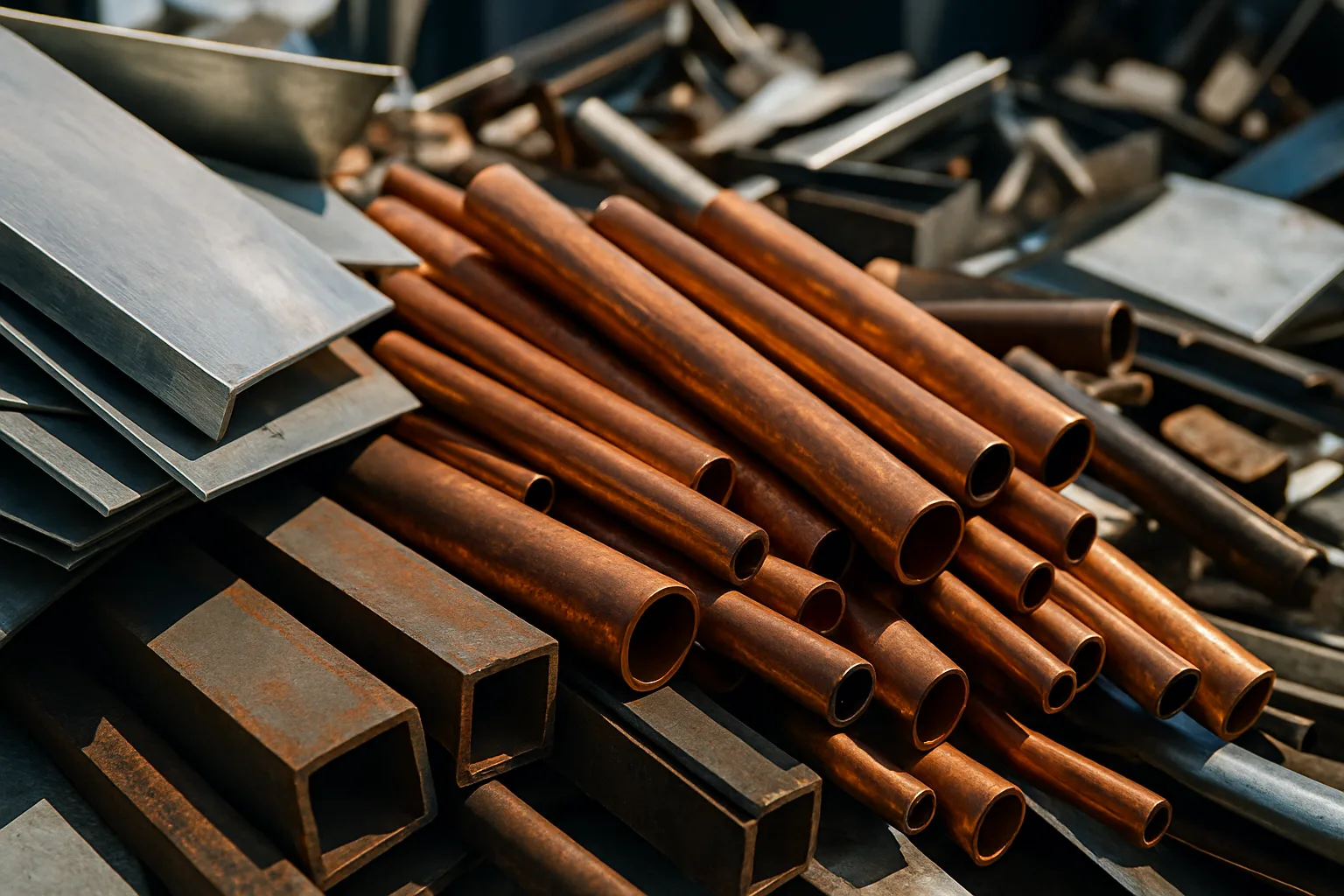
Radiators are among the most consistently valuable auto parts you can bring to a scrap yard. Most passenger car radiators are copper-brass construction — an older style — or aluminum with plastic end tanks. Copper-brass radiators fetch significantly more per pound than aluminum units because copper commands higher prices on the non-ferrous market.
- Copper-brass radiators: The copper tubing and brass end tanks are separated during processing. Recyclers may shred the unit or manually strip it to isolate the copper and brass for maximum recovery.
- Aluminum radiators: Shredded or baled, then smelted into aluminum ingot. The plastic end tanks are typically separated before processing.
- What affects price: Cleanliness matters. Radiators with iron attached (brackets, fittings) will be docked or downgraded. Strip what you can before you show up.
2. Alternators
Alternators are a mixed-metal part — aluminum housing with copper windings inside. The copper is what drives value here. A standard passenger car alternator contains a copper stator winding that recyclers want to recover.
- Most yards buy alternators whole and process them internally — shredding or breaking them apart to separate the copper windings from the aluminum casing.
- Heavy-duty alternators (trucks, commercial equipment) contain more copper and will price accordingly.
- If you're stripping alternators yourself, the copper winding can be sold as insulated copper wire or bare bright depending on how clean it is.
3. Starters
Similar to alternators in composition — copper windings inside a steel or aluminum housing. Starters tend to have more steel content than alternators, which brings down the overall value slightly. Still worth pulling and selling rather than tossing. Processors typically shred starters whole, then use magnetic separation and eddy current systems to sort the ferrous steel from the non-ferrous copper and aluminum.
4. Electric Motors
Old electric motors — from HVAC systems, power tools, industrial equipment — are a scrap yard staple. They're bought by weight as "electric motors" and processed to recover the copper windings inside. The scrap value is driven by copper content, which varies by motor type and size. Industrial motors typically carry more copper per pound than small appliance motors.
5. Catalytic Converters
These are the most valuable parts on most vehicles — and also the most complex to price. Catalytic converters contain platinum group metals (PGMs): platinum, palladium, and rhodium. The ceramic or metalite substrate inside the converter holds these metals in trace amounts, but PGM prices are high enough that even small quantities matter.
Pricing for cats is not straightforward. It varies by vehicle make, model, year, and the specific converter unit. Serial number and VIN lookup tools help identify the exact unit and what PGM content it's likely to contain. That's why documentation and buyer transparency matter so much when you're trying to get the best price for catalytic converters. If you're in Flint sitting on a handful of cats from shop pulls, don't guess at value — get them properly identified before you sell.
6. Copper Wire Harnesses
Modern vehicles contain 1-2 miles of copper wiring. When a car is being stripped for parts, the wiring harness represents real weight in copper. Wire is priced by grade — insulated copper wire sits below bare bright copper, but it's still a strong non-ferrous commodity. Strip the insulation and you move up the price ladder. Most yards will take it either way.
7. Aluminum Wheels and Engine Components
Aluminum wheels, cylinder heads, intake manifolds, and transmission cases are all cast aluminum. Cast aluminum prices lower than bare aluminum extrusion, but there's real weight in engine components. An aluminum cylinder head alone can weigh 15-25 pounds. Strip the steel inserts and iron components where possible before selling — it improves your grade and your price.
How the Recycling Process Actually Works
Once auto parts hit a recycling facility, they move through a defined process designed to maximize metal recovery. Understanding this helps you prep your material and know what to expect.
- Intake and sorting: Incoming material gets weighed, graded, and sorted. Mixed loads or unsorted material will price at the lowest grade in the batch. Sorted loads price better — always.
- Shredding: Many facilities run auto parts through industrial shredders that reduce everything to fist-sized chunks. This exposes metals that were previously trapped inside housings.
- Magnetic separation: A powerful magnet pulls ferrous steel out of the shredded stream. Steel goes one direction; non-ferrous material continues on.
- Eddy current separation: Electrically conductive non-ferrous metals (aluminum, copper) are separated using induced currents. This pulls aluminum and copper away from plastic and rubber.
- Manual sorting and further processing: Higher-value non-ferrous fractions get further sorted by grade. Copper wire gets insulation stripped or granulated. Aluminum gets sorted by alloy where possible.
- Baling and shipping: Processed material gets baled or containerized and shipped to smelters or end buyers who melt it back into usable raw material.
The cleaner and better-sorted your material arrives, the more of the value chain you capture. That's true whether you're selling a single radiator or a full pallet of cores. If you want to get a fair price for your scrap today, show up with sorted, clean material and know what you're selling.
Why Price Discovery Matters When You Sell Auto Parts Scrap
Here's the old way: you call one yard, they quote you a price, you take it or leave it. You have no idea if that number reflects the actual market or just what that buyer wants to pay today. For high-value items like cats or copper, that gap can be significant.
Competition changes the equation. When multiple vetted buyers see your material and bid on it, the price reflects actual market demand — not one buyer's margin. That's the core of how SMASH operates. SMASH is North America's B2B scrap metal auction platform, built to replace the single-call system with transparent competition. No subscription fees. No guesswork. More buyers means better price discovery — that's not a marketing line, it's math.
For yards and businesses in Michigan moving volume — multiple radiators, cores, or loads of non-ferrous auto parts — running material through a competitive auction format consistently surfaces real market value. You can also explore scrap metal selling guides to get a better handle on how to grade and prep your material before it goes to market.
Getting the Most for Your Auto Parts Scrap in Flint
If you're in the Flint area, you're in a market with real industrial activity and buyers who know auto parts scrap. Here's how to make the most of what you've got:
- Sort before you sell. Copper-brass radiators and aluminum radiators price differently. Alternators and starters should be separate from heavy steel. Mixed loads lose value.
- Document your catalytic converters. Serial numbers, vehicle VINs, and photos help buyers price accurately and protect you from disputes. SMASH's platform supports serial tracking and photo documentation for exactly this reason.
- Know your grades. Insulated copper wire, bare bright copper, #1 copper, #2 copper — these are different prices. Ask your yard what grade they're calling your material and why.
- Check scrap metal prices today before you go. Commodity prices move. Copper, aluminum, and PGM prices all fluctuate with global markets. Knowing the general range before you walk in gives you a baseline to compare against.
- Don't leave cats on the table. If you're pulling catalytic converters and selling them without proper identification, you're almost certainly leaving money behind. Get them ID'd and get competitive offers.
Ready to stop guessing and start selling? Sell your scrap metal on GetMyScrap and connect with buyers who know what your material is actually worth. If you've got auto parts scrap in Flint, Michigan, the market is there — you just need to reach it the right way.
Disclaimer: Scrap metal prices fluctuate based on global commodity markets, local demand, and material grade. Always check current rates before selling. Prices referenced in this article are general in nature and not guaranteed.
Frequently Asked Questions
Q: Where can I sell scrap metal near me in Flint, Michigan?
Flint has active scrap yards that accept auto parts, non-ferrous metals, and ferrous steel. For larger loads or higher-value material like catalytic converters, online auction platforms like SMASH give you access to multiple vetted buyers beyond your immediate area, which can improve your price outcome through competition.
Q: What are radiators worth as scrap metal?
It depends on whether your radiator is copper-brass or aluminum, and how clean it is. Copper-brass radiators are worth significantly more per pound than aluminum units. Prices fluctuate with the copper and aluminum commodity markets — check current scrap metal prices before you sell.
Q: Do scrap yards buy alternators and starters?
Yes. Most scrap yards buy alternators and starters as "electric motors" or "alternators/starters" at a set per-pound rate. They recover the copper windings internally. Heavy-duty units from trucks or commercial equipment typically carry more value than small passenger car units.
Q: How do I get the best price for my catalytic converters?
Get your converters properly identified by serial number or VIN before selling. PGM content varies widely by vehicle make, model, and year — selling without identification almost always means leaving money on the table. Competitive bidding platforms that use photo documentation and serial tracking give you better price discovery than a single-buyer quote.
Q: How do I know if I'm getting a fair price for my scrap metal in Flint?
Compare quotes from multiple buyers when possible, and check commodity price benchmarks before you go. For high-value material, a scrap metal auction format — where vetted buyers compete — consistently surfaces better prices than single-buyer transactions. Knowledge of your material grade is your strongest negotiating tool.
Follow SMASH on LinkedIn for scrap metal market updates, industry insights, and tips on getting the most from your material — whether you're moving a single load or running a full yard operation.