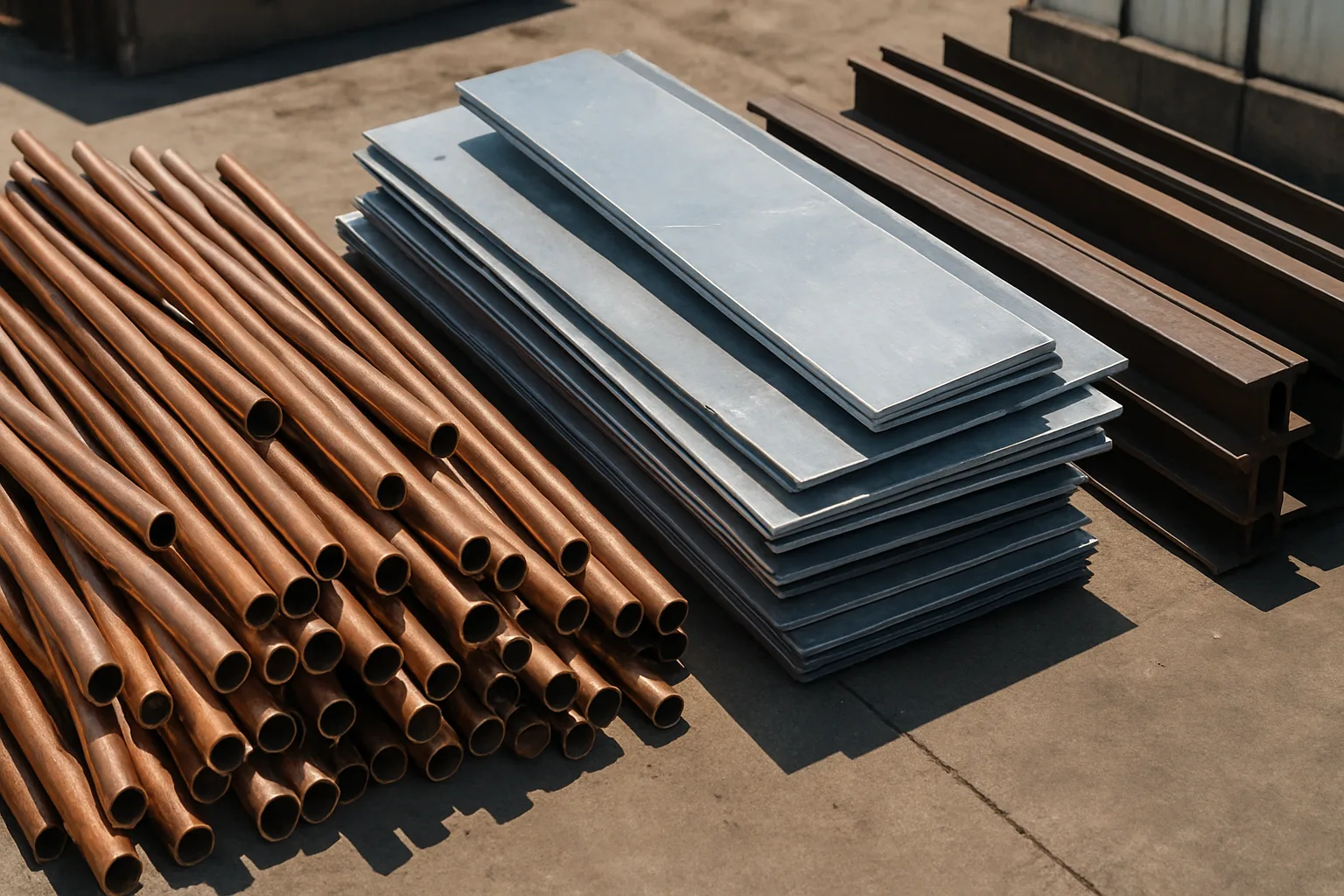
Most people walk past brass and bronze every single day without realizing they're looking at money. A plumber rips out old fittings. A contractor strips a building. A homeowner clears out a garage full of junk. All of it — faucets, valves, bearings, bushings, fixtures — adds up fast. If you're tracking scrap metal prices Gary residents are seeing right now, brass and bronze consistently rank among the highest-paying non-ferrous materials at the yard. The question isn't whether it's worth selling. It's whether you're finding all of it — and whether you're getting paid what it's actually worth.
What Are Brass and Bronze — and Why Does the Difference Matter?
Brass and bronze look similar. Both are copper alloys. Both are worth good money. But they're not the same material, and yards price them differently. Knowing which one you have helps you avoid getting lowballed at the scale.
Brass is an alloy of copper and zinc. It's bright yellow when clean, dull when oxidized. You'll find it in plumbing fittings, valves, musical instruments, door hardware, shell casings, and decorative fixtures. It's one of the most common non-ferrous materials in demolition and renovation work.
Bronze is an alloy of copper and tin, sometimes with small amounts of aluminum or silicon. It's darker and more reddish than brass. Common sources include industrial bearings, bushings, marine fittings, bells, statues, and heavy machinery components. Bronze tends to be denser and can command slightly different pricing depending on the grade.
Here's the key practical point: most yards sort brass into categories — red brass, yellow brass, and mixed. Red brass (also called ounce metal) has a higher copper content and pays more. Yellow brass is more common and prices accordingly. If you haul in a mixed load, some yards will grade it down to the lowest category. Sort when you can. It's worth the extra ten minutes.
Where to Find Brass and Bronze Scrap (Sources Worth Knowing)
The best scrap finds aren't at dedicated scrap sources — they're embedded in everyday material streams. If you know what to look for, you'll start seeing brass and bronze everywhere.
Top sources for brass and bronze in 2026:
- Plumbing tearouts — Old homes and commercial buildings are loaded with brass valves, ball cocks, gate valves, and pipe fittings. Any renovation project in Gary's older residential and industrial corridors is worth paying attention to.
- Electrical components — Connectors, terminals, and some bus bar assemblies use brass. Industrial facilities that scrap aging electrical gear are a consistent source.
- HVAC systems — Brass fittings appear throughout refrigeration and air conditioning equipment. Older units especially.
- Shell casings — Spent ammunition brass is a well-known category at most recycling yards. It prices well and is easy to identify.
- Automotive parts — Older carburetors, radiator end tanks, and some transmission components use brass. Modern vehicles have largely shifted to aluminum and plastic, but classic and older vehicles are still a source.
- Industrial machinery — Bronze bearings and bushings come out of manufacturing equipment regularly. Machine shops, factories, and industrial salvage are prime hunting grounds across Indiana.
- Marine and agricultural equipment — Propellers, impellers, and pump housings often contain bronze. If you're working near Lake Michigan or the agricultural regions of Indiana, keep an eye out.
- Antiques and estate sales — Old brass light fixtures, decorative hardware, and vintage plumbing show up at estate sales and in demolished older buildings frequently.
The Gary, Indiana area has a long industrial history. Steel, manufacturing, and heavy industry left behind decades of infrastructure. Demolition and remediation projects in this region regularly turn up significant volumes of non-ferrous metal — including brass and bronze. If you're doing any kind of salvage or demolition work in the area, this is material you should be actively sorting and holding separately.
Scrap Metal Prices Gary: What Brass and Bronze Are Paying in Mid-2026
Pricing on brass and bronze tracks copper, since copper is the dominant metal in both alloys. When copper scrap price today trends up, brass and bronze follow. When copper softens, so do these categories.
As of July 2026, the non-ferrous market has remained active. Demand from manufacturing, construction, and electrical sectors continues to support copper-bearing materials. That said, yard prices vary — sometimes significantly — based on location, grade, volume, and what that individual yard needs at that moment.
General price ranges you might expect (verify current rates before hauling):
- Red brass / ounce metal: Higher tier — significant premium over yellow brass due to elevated copper content
- Yellow brass: Mid-tier — very common, most plumbing and hardware falls here
- Mixed brass: Graded to the lowest content — worth sorting out if you can
- Bronze (solid): Priced similarly to red brass in many markets, slightly variable by grade
- Dirty brass / attached material: Discounted — clean your material before you go
Disclaimer: Scrap metal prices fluctuate daily based on commodity markets, location, and yard-specific factors. Always verify current rates directly with your yard or through a platform like SMASH before making decisions about when and where to sell.
One consistent reality in scrap metal recycling Indiana: the price difference between the best buyer and the worst buyer on any given day can be meaningful. A single phone call to one yard isn't market research — it's a guess. Running your load through a competitive process is the only way to know if you're leaving money on the table.
How to Maximize What You Get for Brass and Bronze
The material is only half the equation. How you present it and where you sell it determines what you actually walk away with. Here's how to make sure you're getting the most out of every load.
1. Clean your material. Remove iron, steel, rubber, plastic, and any non-brass/bronze attachments. A dirty load gets graded down. Even 15 minutes of sorting can shift you into a higher price tier.
2. Separate by grade. Keep red brass separate from yellow brass. Don't mix bronze in with yellow brass unless you're forced to. Each grade has its own price point, and mixing them costs you money.
3. Know your weights before you go. Have a rough idea of what you're hauling. Yards weigh everything, but knowing your numbers in advance helps you evaluate whether the price offered makes sense.
4. Document what you have. Photo documentation and good inventory tracking matters more than people think — especially on larger loads. If something's disputed at the scale, documentation protects you. Platforms like SMASH build this kind of documentation into the selling process, which gives buyers more confidence and can support better pricing.
5. Don't sell to the first buyer who answers the phone. This is where most sellers lose money. A single quote from a single yard tells you nothing about the actual market. If you want real price discovery, you need competition. That's exactly what a scrap metal auction platform like SMASH delivers — vetted buyers competing for your load, not one yard setting the price on their terms.
You can compare scrap metal bids from verified buyers instead of guessing what your brass is worth. That's the difference between settling and selling.
Selling Brass and Bronze Scrap in Gary and Across Indiana
For sellers in the Gary area, the good news is that non-ferrous scrap has consistent demand. The region's industrial base and proximity to Chicago-area buyers means there's real market activity here. But "demand exists" doesn't mean every yard is offering the same price. They're not.
If you're a yard operator or a commercial seller moving volume, the math on competitive bidding is straightforward. More buyers means better price discovery. If three yards want your load and only one knows you called them, you're not negotiating — you're accepting. When you sell your scrap metal on GetMyScrap, you're putting your material in front of a broader buyer pool, not just whoever picked up the phone.
For first-timers sorting through a plumbing tearout or cleaning out a machine shop, start simple. Get your brass separated, cleaned up, and weighed. Check current rates. Then look at your options — not just the nearest yard, but the best-paying one for your material. Explore scrap metal selling guides if you're building out a process for regular sales.
SMASH works with sellers across North America — including Indiana — who want actual competition on their loads rather than a take-it-or-leave-it quote from a single buyer. No subscription fees. SMASH only wins when you win.
Brass and Bronze vs. Other Non-Ferrous Metals: Where It Fits
It helps to understand where brass and bronze sit in the broader non-ferrous picture. Copper wire and bare bright copper sit at the top of the value chain. Brass and bronze are just below — significantly more valuable than aluminum, and far above steel and iron.
If you're also moving aluminum, the aluminum recycle value you'll see is lower per pound than brass. That's not a reason to ignore it — aluminum volume adds up quickly — but it means brass and bronze deserve priority sorting and handling. When you're working a mixed load, the brass and bronze deserve the most attention because the pricing gap is real.
If you're also sitting on catalytic converters from vehicles, those carry their own pricing logic tied to platinum group metals. Different market, different buyers, different strategy — but worth knowing about if you're working in automotive salvage alongside your non-ferrous operations. You can get a fair price for your scrap today across multiple material types through the right platform.
Frequently Asked Questions
Q: How do I tell brass from bronze when I'm sorting scrap?
Brass is typically yellow to gold in color and is lighter and more common in plumbing and hardware applications. Bronze is darker and more reddish-brown, found more often in industrial bearings, bushings, and marine components. When in doubt, check with your yard — most experienced yard workers can identify the material on sight. The distinction matters because they're priced differently.
Q: What are scrap metal prices in Gary, Indiana for brass right now?
Brass prices in Gary — and across Indiana — track the copper market and shift regularly. Red brass typically commands a higher price than yellow brass due to its higher copper content. Rather than relying on a single yard's posted price, use a competitive platform to understand what the real market will pay for your specific grade and volume. Always verify current rates before you haul.
Q: Is it worth cleaning brass before selling it?
Yes — almost always. Dirty brass with rubber, plastic, iron, or other attachments gets graded down to a lower price tier. Removing non-brass material before you go to the yard can shift you into a higher price category and increase your per-pound payout meaningfully. A few minutes of sorting usually pays off.
Q: Where can I sell scrap metal near me for cash in Gary?
Local yards in the Gary and broader Indiana area buy brass and bronze regularly. Beyond local options, platforms like SMASH and GetMyScrap connect sellers with vetted buyers across a wider network, which can result in better pricing through real competition. For the best outcome, don't limit yourself to whoever is closest — look for whoever is paying the most for your grade of material today.
Q: How much does a load of brass fittings weigh and what should I expect to get?
Weight depends entirely on volume and material type — brass is denser than aluminum but lighter than steel. A five-gallon bucket of clean brass plumbing fittings can weigh 30 to 50 pounds depending on wall thickness and fitting size. What you'll get paid depends on current market rates, grade, and buyer competition. Weigh your material first, know your grade, then get multiple quotes before you commit.
Brass and bronze scrap is some of the most consistently valuable non-ferrous material you can bring to market. The work is in finding it, sorting it correctly, and selling it to the right buyer at the right price. If you've got a load ready to move, don't settle for a single quote. Get a fair price for your scrap today — request a pickup at getmyscrap.com and let real buyer competition work in your favor.
Follow SMASH on LinkedIn for ongoing updates on scrap metal market conditions, pricing trends, and industry insights across North America.