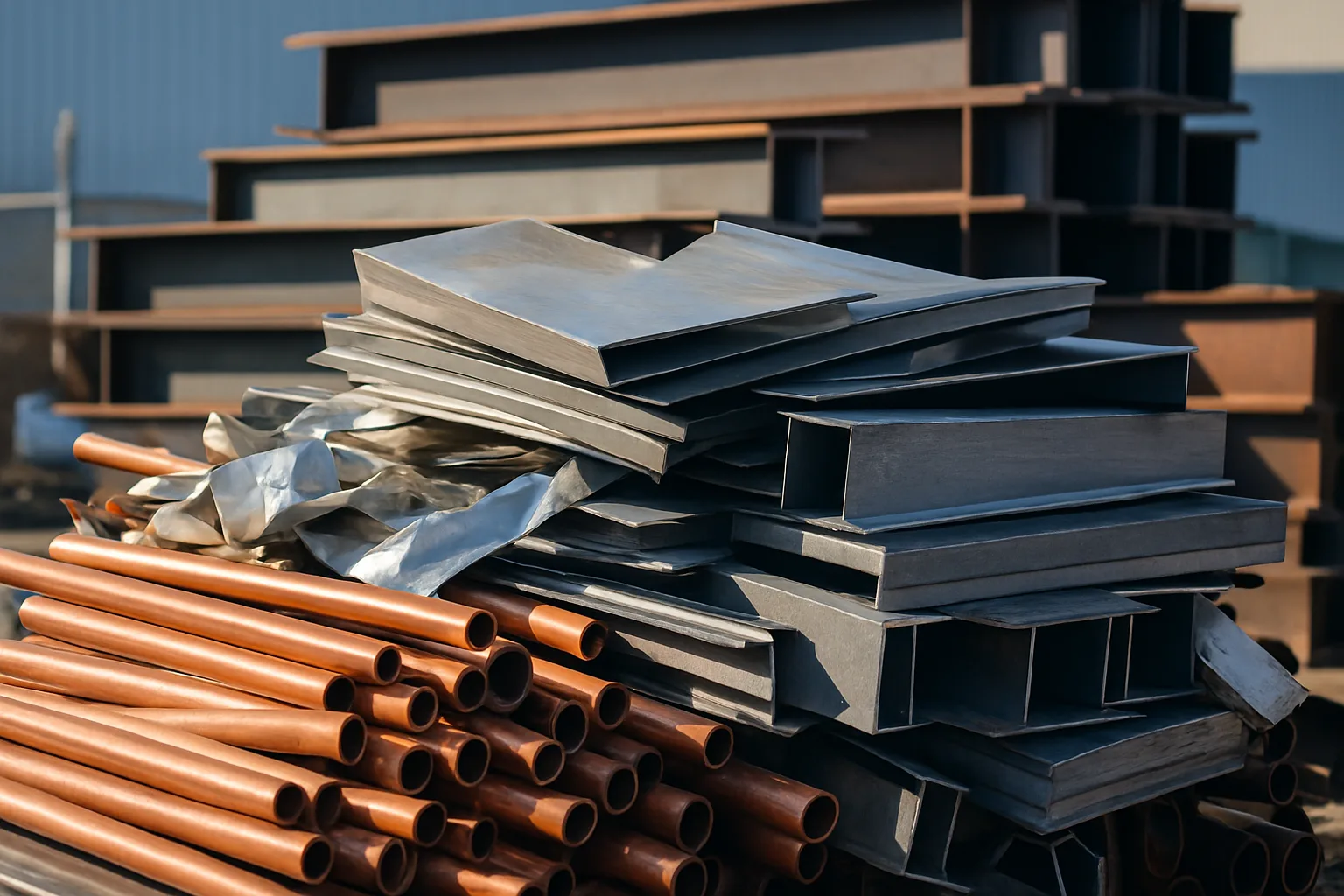
Construction Sites Are Sitting on a Goldmine — Most Don't Know It
Every demolition crew swings a wrecking ball and walks away from thousands of dollars in recoverable metal. Copper wiring gets buried in debris piles. Structural steel gets hauled to landfills. Aluminum framing gets tossed with the drywall. If you work on construction or demolition sites — or you manage one — you're likely leaving serious money on the table every single week.
This isn't a niche problem. Construction and demolition (C&D) waste accounts for a massive share of scrap metal that enters the recycling market each year. And for yards, contractors, and independent collectors who know how to capture it, it's one of the most consistent streams of sellable material available. If you're looking to sell scrap metal in Savannah or anywhere across Georgia, understanding what comes off job sites — and how to sort it — puts you ahead of the competition.
What Types of Scrap Metal Do Construction and Demolition Sites Produce?
The variety is wider than most people expect. A single commercial demolition project can yield multiple grades of ferrous and non-ferrous metal, each with its own market value and handling requirements. Knowing what you're looking at before you load a truck changes everything.
Here's what typically comes off a construction or demolition site:
- Copper wire and pipe — Stripped from electrical systems, plumbing, and HVAC. One of the highest-value metals by weight. Even insulated copper wire carries value, though bare bright commands the best price.
- Structural steel — Beams, columns, rebar, and plate. Heavy, lower value per pound than non-ferrous, but volume makes it worthwhile.
- Aluminum — Window frames, door thresholds, roofing, and conduit. Aluminum scrap prices fluctuate, but it consistently outperforms steel on a per-pound basis.
- Cast iron — Old radiators, pipes, and drain systems in residential teardowns. Heavy but recoverable.
- Stainless steel — Commercial kitchen equipment, industrial fittings, medical or lab facility demos.
- Brass fittings — Valves, connectors, and fixture hardware from plumbing systems.
- Steel roofing and decking — Metal roof panels and structural decking from commercial buildings.
The mix depends on what was built, when it was built, and how it was demolished. Pre-1980s buildings in particular tend to be rich in copper and cast iron. Newer commercial builds lean heavier on aluminum and light-gauge steel. Either way, there's metal worth chasing.
Why Sorting on Site Matters for Your Aluminum Scrap Price Today
Here's where most crews lose money: they commingle everything. Mixed loads get downgraded. A truck full of clean aluminum window frames mixed with painted steel framing is worth significantly less than two separated loads. Yards grade on contamination. The cleaner your metal, the closer you get to the top of the price range — and that matters whether you're checking the aluminum scrap price today or pricing out structural steel.
A few practical sorting habits that pay off:
- Set up color-coded bins or designated zones on site — ferrous in one area, non-ferrous in another. Even rough separation at the source saves time at the yard.
- Strip wire before it gets buried in debris — copper stripped on site versus copper dug out of a mixed pile is a different product at the scale.
- Keep brass fittings and aluminum separated from steel — both get significantly downgraded if commingled with ferrous material.
- Document what you have before you haul — weight estimates, metal types, and condition. Buyers respond better to a prepared seller.
Platforms like SMASH let you find the best price for your scrap by putting your documented inventory in front of multiple vetted buyers at once. That competition matters when you're moving a large commercial demo load. One buyer, one phone call, and a take-it-or-leave-it price is the old way. More buyers seeing your load means better price discovery — especially for non-ferrous material where spreads between buyers can be significant.
Savannah's Construction Boom and What It Means for Scrap Sellers
Savannah has been in a sustained period of commercial and industrial growth. Port expansion, logistics warehousing, and residential development have kept demolition and new construction crews busy across Chatham County and the surrounding region. That activity generates scrap. A lot of it.
For independent collectors and small contractors in Savannah, that's opportunity. Demo crews pulling out old industrial facilities near the port, residential teardowns ahead of infill development, and commercial retrofits replacing aging HVAC and electrical systems — all of it produces metal that needs to move. The question is whether it goes to the yard or to the landfill.
If you're already on a demo site in Savannah or anywhere across Georgia and you're not systematically pulling and sorting scrap, you're subsidizing the landfill's revenue instead of your own. Even small loads of copper pipe or aluminum framing add up fast. A single residential demo with good copper content can yield a few hundred pounds of recoverable non-ferrous metal. Scale that across a few projects a month and it becomes a meaningful revenue line.
Ready to stop guessing what your loads are worth? Sell your scrap metal on GetMyScrap and find out what competitive buyers will actually pay for your material.
How to Maximize Scrap Metal Value from a Demo Project
Getting the best price for scrap off a construction site isn't just about having metal — it's about having metal that buyers want to bid on. Here's a practical workflow that works whether you're in Savannah, Georgia, or anywhere else in the country.
Before demolition starts:
- Walk the building with a scrap-focused eye. Identify copper mains, aluminum windows, steel structural elements.
- Estimate total tonnage by metal type. This sets your floor for what offers you should accept.
- Photograph key material — buyers who can see clean copper or sorted aluminum are more confident bidders.
During demolition:
- Assign a crew member to sort and stage metal as it comes out — don't wait until everything's in a pile.
- Keep non-ferrous away from ferrous at all stages. Contamination kills grade.
- Strip insulation from wire where time allows — bare bright copper commands a significantly higher price than insulated wire.
Before you haul:
- Weigh or estimate your loads by type.
- Document with photos for any buyer negotiation.
- Check current scrap metal prices near me before committing to a single yard — price variation between buyers is real, even locally.
Need guidance on what sells and how? Explore scrap metal selling guides for practical advice on getting the most from your loads.
The Weekly Market Picture: What's Moving Right Now
As of mid-August 2026, the scrap market continues to reflect broader commodity trends. Copper remains the non-ferrous benchmark — strong global demand from electrification and grid infrastructure keeps pressure on supply. Aluminum is active, with building-grade material moving steadily. Structural steel and HMS (heavy melt steel) remain tied to domestic mill activity, which has been variable through Q3.
A few things to watch heading into the fall construction cycle:
- Copper — Prices are sensitive to energy sector demand. Any large infrastructure announcements can move the market quickly.
- Aluminum — Building-related aluminum is steady. Automotive-grade aluminum grades are tighter. Sorting matters here — mixed aluminum loads lose value fast.
- Steel — Domestic mill demand is the primary driver. Export markets add some upside but aren't guaranteed.
- Catalytic converters — Platinum group metals (PGMs) pricing remains the key variable. If you're sitting on cores from demo equipment or vehicle teardowns, document them carefully. If you want to sell your scrap catalytic converters for the best price for catalytic converters, getting them in front of vetted buyers — not a single local offer — is the only way to know you're getting market value.
Disclaimer: Metal prices fluctuate daily based on market conditions. Always verify current rates before committing to a sale.
Whether you're hauling copper wire from a Savannah commercial demo or sorting steel rebar from a Georgia infrastructure project, the principle is the same: documented, sorted, properly graded metal gets the best price for scrap. Competition among buyers gets you there faster than a single phone call ever will.
SMASH puts your loads in front of vetted buyers across North America, so you're not leaving money on the table because you happened to call the wrong yard first. If you're ready to move material, get a fair price for your scrap today — and let buyers compete for your load instead of the other way around.
Frequently Asked Questions
Q: How do I sell scrap metal from a demolition site in Savannah?
Start by sorting your metal on site — separate non-ferrous (copper, aluminum, brass) from ferrous (steel, iron). Document what you have with photos and weight estimates. Then contact a local yard or use a platform like SMASH to get competitive offers from multiple vetted buyers. Savannah has active industrial and commercial demo activity, so there's a real market for well-documented loads.
Q: What's the most valuable scrap metal that comes off construction sites?
Copper is typically the highest-value metal by weight — bare bright copper wire and clean copper pipe top the price list. Brass fittings and aluminum framing follow. Structural steel and rebar are lower per pound but often available in large volume, which adds up. Sorting on site is the single biggest factor in maximizing what you receive.
Q: How do aluminum scrap prices today affect what I'll get for building material?
Aluminum prices fluctuate with global supply, energy costs, and demand from manufacturing sectors. Building-grade aluminum (window frames, door thresholds, conduit) trades at a different rate than automotive or cast aluminum. Check current market rates before you haul — a few cents per pound difference across a large load adds up quickly. Never commit to a single buyer's price without knowing the market.
Q: Can I get scrap metal picked up from a construction site in Savannah?
Yes. Many buyers and platforms offer scrap metal pick up for commercial volumes — typically a minimum weight threshold applies. If your load is large enough (often a few thousand pounds or more), pickup is often feasible. Request a pickup at getmyscrap.com to find out what options are available for your location and load size.
Q: Is it worth separating different metals before selling, or should I just haul everything together?
Separating is almost always worth the effort. Mixed loads get graded down to the lowest-value component. A bucket of clean copper pipe mixed with steel fittings may get priced as mixed metal rather than copper. The time it takes to sort on site typically pays for itself many times over in the final sale price — especially for non-ferrous material like copper, aluminum, and brass.
Construction and demolition sites generate more recoverable metal than most people realize. Treat that metal like the commodity it is — sort it, document it, and let buyers compete for it. Get a fair price for your scrap metal by requesting a pickup at getmyscrap.com and stop settling for the first number someone quotes you.
Stay current on scrap metal market trends and pricing insights by following SMASH on LinkedIn — practical updates for people who actually move metal.
```