Environmental Benefits of Scrap Metal Recycling in 2026
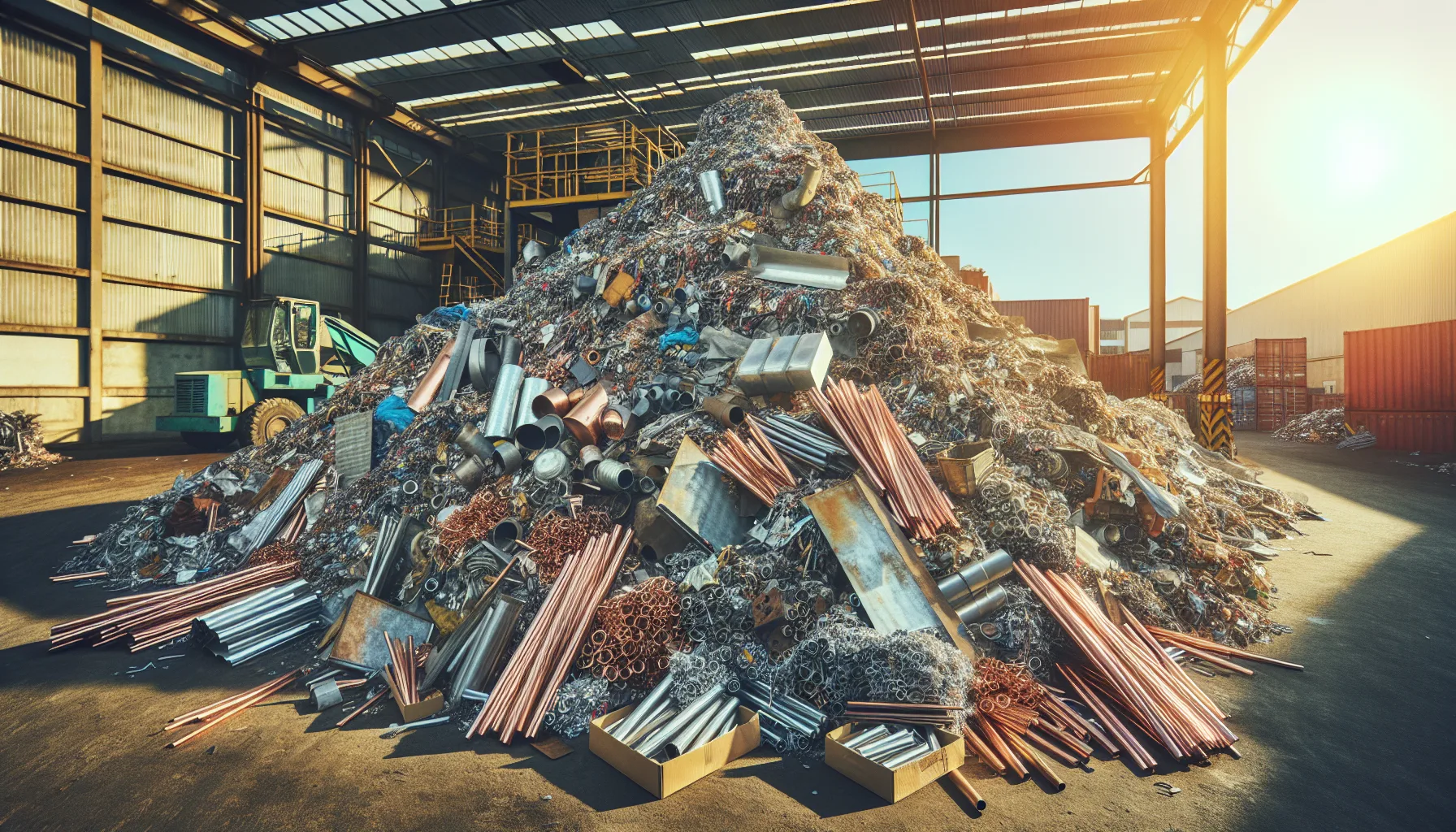
The environmental impact of scrap metal recycling has never been more significant than in 2026. As climate concerns intensify and raw material costs soar, recycling copper, aluminum, and steel offers substantial environmental benefits while providing competitive returns. When you check copper scrap prices St. Louis, you're not just looking at potential profits — you're participating in one of the most effective environmental conservation practices available today.
Scrap metal recycling reduces energy consumption by up to 95% compared to producing new metals from ore. Every ton of recycled copper saves 13,000 kilowatt-hours of electricity. That's enough to power an average American home for four months. Steel recycling conserves 2,500 pounds of iron ore and 1,400 pounds of coal per ton processed.
The circular economy model has transformed how we view waste materials in 2026. What once filled landfills now generates income while protecting natural resources. Platforms like SMASH connect sellers directly with buyers, streamlining the recycling process and ensuring materials reach processing facilities efficiently.
Current Federal and State Regulations for Scrap Metal Operations
Federal regulations governing scrap metal recycling have evolved significantly in 2026. The Resource Conservation and Recovery Act (RCRA) continues to set baseline standards, while new EPA guidelines address electronic waste and catalytic converter theft prevention. Missouri has implemented additional state-level requirements that affect how scrap yards operate throughout the region.
Record-keeping requirements have intensified. Scrap dealers must maintain detailed transaction logs for all purchases exceeding $25. This includes seller identification, material descriptions, weights, and payment methods. Digital record-keeping systems have become standard practice, with many operations transitioning to cloud-based platforms for compliance tracking.
Catalytic converter regulations deserve special attention. New federal mandates require VIN matching for all catalytic converter transactions. Sellers must provide vehicle ownership documentation or signed removal authorization. These measures combat theft while maintaining legitimate recycling opportunities. When searching for scrap metal prices St. Louis, verify that dealers comply with these enhanced requirements.
Licensing and permit requirements vary by municipality. St. Louis County maintains specific zoning restrictions for scrap operations, while the City of St. Louis requires additional environmental impact assessments for facilities handling more than 100 tons monthly. Understanding local regulations protects both buyers and sellers from compliance issues.
Missouri Environmental Standards and Local Compliance Requirements
Missouri's Department of Natural Resources has established comprehensive environmental standards for scrap metal facilities in 2026. These regulations address air quality, water protection, and soil contamination prevention. Facilities must implement dust control measures and maintain proper drainage systems to prevent runoff contamination.
Air quality monitoring has become mandatory for larger operations. Facilities processing more than 500 tons monthly must install real-time emission monitoring systems. These requirements particularly affect operations handling copper and aluminum, which generate significant particulate matter during processing.
Water quality protection measures focus on preventing heavy metal leaching into groundwater systems. Scrap yards must maintain impermeable surfaces in processing areas and install containment systems for hydraulic fluids and other contaminants. Regular soil testing ensures compliance with state contamination thresholds.
Local St. Louis regulations add another layer of requirements. The Metropolitan St. Louis Sewer District has implemented strict pretreatment standards for any facility discharging process water. These standards particularly affect operations that clean materials before processing, requiring pH monitoring and heavy metal testing.
Best Practices for Environmentally Responsible Scrap Metal Selling
Responsible selling practices begin with proper material preparation. Remove all non-metallic attachments before transport. This includes plastic insulation on copper wire, rubber components on aluminum pieces, and fabric elements on steel items. Clean materials command better prices while reducing environmental processing burden.
Inventory management plays a crucial role in environmental responsibility. Storing materials properly prevents contamination and oxidation. Copper should be kept dry to prevent green oxidation that reduces value. Aluminum requires protection from moisture to maintain grade quality. Steel needs proper ventilation to minimize rust formation.
Transportation efficiency reduces environmental impact significantly. Consolidate materials into full loads before scheduling pickup. This maximizes fuel efficiency and reduces transportation emissions per pound of material recycled. Services that sell your scrap metal on GetMyScrap often provide guidance on optimal load sizing for environmental and economic efficiency.
Documentation accuracy supports regulatory compliance and environmental tracking. Maintain records of material sources, weights, and grades. This information helps processors optimize recycling efficiency and ensures proper handling of specialized materials like catalytic converters or electronic components.
Economic Benefits of Environmental Compliance in Scrap Metal Recycling
Environmental compliance generates measurable economic advantages in 2026's scrap metal market. Certified environmentally responsible facilities typically offer premium prices for clean, properly prepared materials. These premiums can add 5-15% to base scrap metal prices near me rates, making compliance profitable.
Insurance costs decrease significantly for compliant operations. Environmental liability coverage represents a major expense for scrap facilities. Operators with strong compliance records enjoy reduced premiums and broader coverage options. These savings often translate to better pricing for sellers.
Market access expands for environmentally certified materials. Major manufacturers increasingly require proof of responsible sourcing for their recycled metal inputs. This trend has created premium market segments that pay above-market rates for verified sustainable materials.
Technology investments in environmental compliance often improve operational efficiency. Automated sorting systems reduce labor costs while improving material purity. Advanced inventory management systems optimize storage and reduce material degradation. These improvements benefit both facility operators and the sellers who get a fair price for your scrap today.
Long-term market stability favors environmentally responsible operations. Regulatory trends consistently move toward stricter environmental requirements. Facilities that proactively adopt best practices avoid costly retrofitting and maintain competitive advantages. This stability translates to more consistent pricing for sellers over time.
The integration of digital platforms has revolutionized environmental compliance tracking. Modern systems like SMASH provide transparent documentation of the entire recycling chain. This transparency satisfies regulatory requirements while building buyer confidence. When you sell your scrap metal on the SMASH marketplace, you access buyers who value environmental responsibility and pay accordingly.
Quality control measures enhance both environmental and economic outcomes. Regular testing ensures materials meet purity standards while identifying potential contamination early. This prevents processing delays and maintains premium pricing. Advanced facilities use X-ray fluorescence testing to provide instant material analysis and accurate pricing.
The circular economy principles driving 2026's scrap metal market reward environmental stewardship. Materials that enter the recycling stream properly prepared and documented command premium prices. Sellers who understand these principles and work with compliant facilities maximize both environmental impact and financial returns. For comprehensive guidance on environmental best practices and current market conditions, explore scrap metal selling guides that address both compliance requirements and profit optimization strategies.
Frequently Asked Questions
Q: How do environmental regulations affect copper scrap prices St. Louis?
Environmental compliance costs are factored into scrap metal pricing, but certified facilities often pay premiums for properly prepared materials. Clean copper that meets environmental standards typically commands 5-10% higher prices than contaminated materials. Compliance also ensures access to premium buyers who require environmental certifications.
Q: What environmental documentation do I need when selling scrap metal in Missouri?
Basic documentation includes proof of material ownership and removal authorization for items like catalytic converters. For large quantities, you may need manifests detailing material sources and any potential contamination. Keeping detailed records protects you legally and can qualify materials for premium environmental programs.
Q: Do environmentally certified scrap yards pay better prices in St. Louis?
Yes, certified facilities often offer better pricing because they have access to premium markets requiring environmental compliance. These facilities invest in proper processing equipment and can handle materials that non-certified yards cannot accept. The premium typically ranges from 3-15% depending on material type and market conditions.
Q: How can I find environmentally responsible scrap metal buyers near me?
Look for facilities with current environmental permits, proper licensing, and certifications from recognized industry organizations. Online platforms like SMASH connect sellers with verified buyers who meet environmental standards. Check with local environmental agencies for lists of compliant facilities in your area.
Q: What environmental benefits result from selling my scrap metal instead of throwing it away?
Recycling scrap metal reduces mining needs, conserves energy, and prevents landfill accumulation. Each ton of recycled steel saves 2,500 pounds of iron ore and 1,400 pounds of coal. Copper recycling uses 90% less energy than primary production. These environmental benefits often translate to better pricing from environmentally conscious buyers.
Environmental responsibility and profitability work hand in hand in today's scrap metal market. By understanding regulations, choosing compliant buyers, and preparing materials properly, you maximize both environmental impact and financial returns. Get a fair price for your scrap metal — request a pickup at getmyscrap.com.
Stay informed about the latest environmental regulations and market trends by following SMASH on LinkedIn at https://www.linkedin.com/company/scrap-metal-auction-sales-hub for industry updates and scrap metal market insights.