Ferrous vs. Non-Ferrous Scrap Metal: What Fort Lauderdale Sellers Need to Know
Most people hauling scrap to a yard have no idea they're leaving money on the table. Not because they're selling the wrong stuff — but because they don't know what they're selling. Knowing the difference between ferrous and non-ferrous scrap metals isn't just trivia. It directly affects how you sort, price, and sell every load. And if you're tracking the steel scrap price today, you already know that not all metal is created equal.
This guide breaks it down clearly — what each category includes, why it matters for pricing, and how sellers in Fort Lauderdale can use that knowledge to get more out of every load they move.
What Makes a Metal Ferrous — and Why It Matters for Scrap Metal Prices Today
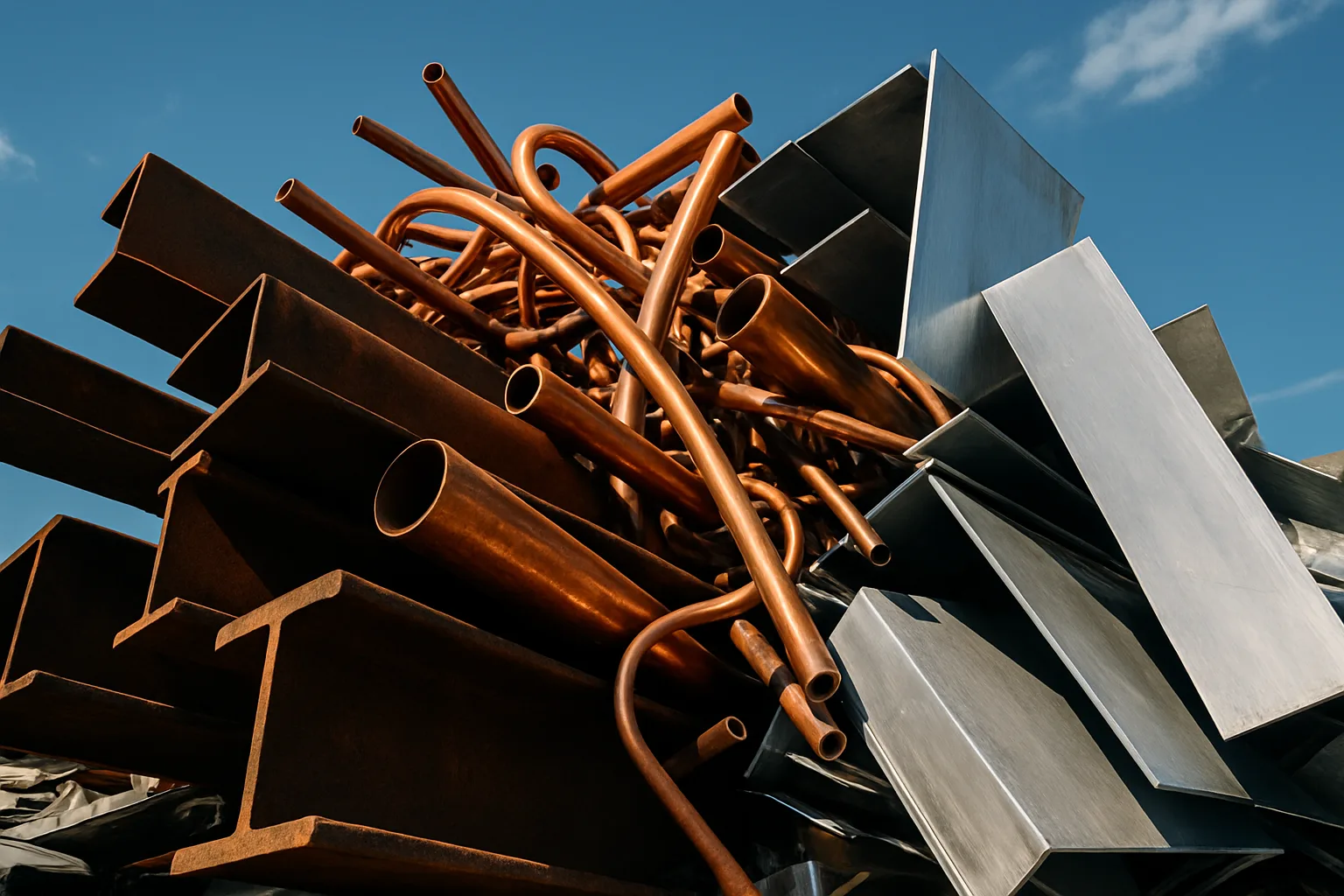
The word "ferrous" comes from the Latin ferrum, meaning iron. Simple rule: if it contains iron, it's ferrous. Steel is the most common ferrous metal in the scrap market. Cast iron, structural steel, sheet steel, rebar, and car bodies all fall into this category. Most ferrous scrap is magnetic — that's the fastest way to sort it on a yard.
Ferrous metals make up the overwhelming majority of scrap volume in North America. Construction debris, demolition waste, end-of-life vehicles, and industrial equipment all generate enormous quantities of ferrous scrap. Yards move it in bulk. The scrap metal prices today for ferrous grades are typically quoted per gross ton and shift with global steel demand, energy costs, and mill activity.
Here's the practical reality for sellers: ferrous scrap pays less per pound than non-ferrous, but you can generate it in serious volume. A few tons of clean structural steel or a pile of rebar can add up fast — especially if you're a contractor, demolition crew, or yard operator moving multiple loads per week.
- Common ferrous scrap types:
- HMS (Heavy Melting Steel) — structural beams, plate, and pipe
- Busheling — factory punchings and new steel scrap
- Shredded steel — shredded auto bodies and appliances
- Cast iron — engine blocks, pipes, radiators
- Rebar — from construction and demolition
Non-Ferrous Scrap: Where the Real Value Per Pound Lives
Non-ferrous metals contain no iron. No magnet stick. These include copper, aluminum, brass, zinc, lead, nickel, and tin. They also include precious metals like gold and silver — though those rarely show up in a typical scrap load. For most sellers, the big non-ferrous targets are copper, aluminum, and brass.
Non-ferrous metals command significantly higher prices per pound. Copper in particular. Bare bright copper wire, #1 copper tube, and copper bus bar can be worth several dollars per pound depending on market conditions. That's orders of magnitude more than most ferrous grades. If you're a plumber, electrician, or HVAC contractor working in South Florida, the non-ferrous scrap you generate has real dollar value — and it pays to track scrap metal prices near me before you walk into a yard.
Aluminum is another one that deserves attention. Extrusions, cast aluminum, aluminum wire, and rims all trade at different grades and different prices. Sorting matters. Mixing a clean aluminum extrusion with cast pieces drops its grade and your payout. Same logic applies to brass — yellow brass, red brass, and plumbing brass all move at different rates. Know what you have before you sell it.
- Common non-ferrous scrap types:
- Bare bright copper wire — highest copper grade
- #1 copper tube — clean copper plumbing pipe
- #2 copper — mixed copper with minor oxidation or fittings
- Aluminum extrusion — clean framing and architectural pieces
- Cast aluminum — engine parts, wheels, housings
- Yellow brass — valves, fittings, plumbing fixtures
- Catalytic converters — a specialized non-ferrous category entirely on their own
Catalytic Converters: The Non-Ferrous Category That Plays by Different Rules
Catalytic converters deserve their own section. They sit at the intersection of non-ferrous scrap and precious metals recovery. Inside every cat is a ceramic or metallic substrate coated with platinum group metals — platinum, palladium, and rhodium. These PGMs are what drive the value. And that value can vary wildly depending on the make, model, year, and type of converter.
If you want the best price for catalytic converters, you need buyers who specialize in assaying and processing them — not a general yard that rolls them into a pile. Pricing on cats is based on the actual PGM content, which means documentation matters. VIN-linked identification, serial number tracking, and photo documentation all affect what a serious buyer will pay. Platforms built for this — like smashscrap.com — give sellers access to vetted buyers who understand the difference between a high-value cat and a spent one. That competition is how you find the actual market price, not a lowball offer from a single buyer with no accountability.
In Fort Lauderdale and across Florida, catalytic converter theft continues to be a regulatory concern in 2026. Documenting your inventory properly — where it came from, what vehicles it was removed from — isn't optional anymore. Serious buyers expect it. Platforms that support serial tracking and photo documentation aren't just convenient, they're table stakes.
How Ferrous and Non-Ferrous Pricing Works — and Why the Steel Scrap Price Today Isn't the Whole Story
Scrap metal pricing is driven by commodity markets, but the path from market to payout is full of friction. Ferrous prices — including the steel scrap price today — are influenced by U.S. steel mill demand, global production from major exporters, scrap export volumes, and energy costs at processing facilities. These are macro forces. They move prices across the entire market simultaneously.
Non-ferrous pricing has more variables. Copper trades on the COMEX and LME. Aluminum has its own exchange benchmarks. Catalytic converter PGM values follow the platinum group metals spot market. Each category moves on its own set of signals. A week that's good for copper might be flat for aluminum. Understanding this helps you time larger sales or, at minimum, avoid selling at the worst possible moment.
The problem most sellers face isn't the market itself — it's access to accurate pricing and competitive buyers. A single buyer on the phone has every incentive to offer you less than market value. You don't know what anyone else would have paid. That's the gap that a B2B scrap metal marketplace like SMASH is built to close. When multiple vetted buyers compete for your load, the price you see reflects the actual market — not one buyer's margin target.
If you want to sell your scrap metal on GetMyScrap, the process is straightforward. Document your load, get connected to buyers, and move your material at a competitive price. No cold calls. No guessing.
Sorting Your Scrap in Fort Lauderdale: Practical Tips to Maximize Your Payout
How you present your scrap matters as much as what you have. Mixed loads pay less. A yard or buyer receiving an unsorted pile has to factor in their processing cost — and they pass that cost back to you in the form of a lower offer. Clean, sorted, well-documented loads get better prices. That's true everywhere, and it's especially true in a competitive Florida market where buyers have options.
Here's how to sort smarter before you sell:
- Use a magnet. Stick everything ferrous in one pile. Anything the magnet doesn't grab goes into non-ferrous sorting.
- Separate copper grades. Bare bright wire in one bin. #1 tube in another. Mixed or contaminated copper separately. Don't lose money by mixing grades.
- Pull aluminum out by type. Extrusions separate from cast. Aluminum with iron attachments (like radiators with steel tanks) needs to be cleaned or sold as a mixed grade.
- Keep catalytic converters separate. Never mix them with other scrap. Document them individually. A photo and VIN reference can make a material difference in what you're offered.
- Remove non-metal contaminants. Plastic fittings, rubber gaskets, insulation on wire — clean copper pays significantly more than insulated copper. Take the 10 minutes to strip it.
Sellers in Fort Lauderdale working in construction, marine, HVAC, or auto dismantling generate serious non-ferrous volumes regularly. If you're running those trades and treating your scrap as an afterthought, you're leaving real revenue behind. A structured approach to sorting and selling — combined with access to competitive buyers through platforms like SMASH — can turn scrap from a disposal problem into a meaningful revenue line.
Want to get a fair price for your scrap today? Start by knowing what you have, sorting it properly, and connecting with buyers who will compete for your business instead of making you a single take-it-or-leave-it offer.
For more guidance on how to sell every type of scrap — from copper to catalytic converters — explore scrap metal selling guides built specifically for U.S. sellers.
The SMASH Advantage: Competitive Auctions for Ferrous and Non-Ferrous Sellers
Whether you're moving tons of HMS or a pallet of cleaned copper, the same principle applies: one buyer means one price. Multiple buyers mean market discovery. That's the logic behind the SMASH scrap metal auction model. SMASH connects vetted buyers to sellers across North America, runs competitive auctions on documented loads, and handles auto-invoicing so the back end doesn't slow down your operation.
For non-ferrous sellers — especially those moving catalytic converters, copper, or mixed aluminum — the documentation tools matter. Photo uploads, serial number tracking, and VIN lookup give buyers confidence in what they're bidding on. Better data means more aggressive bids. More aggressive bids mean better price discovery for you. There are no subscription fees. SMASH only wins when the seller wins.
If you're in Fort Lauderdale or anywhere across Florida with regular scrap volume to move, it's worth connecting with buyers who actually compete for your loads. Stop guessing at your price. Let the market tell you what your scrap is worth.
Get a fair price for your scrap metal — request a pickup at getmyscrap.com.
Disclaimer: Scrap metal prices fluctuate daily based on commodity markets, regional demand, and material grade. Always verify current rates before selling. The prices referenced here are general context only and not current market quotes.
Frequently Asked Questions
Q: What is the difference between ferrous and non-ferrous scrap metal?
Ferrous metals contain iron — steel, cast iron, and structural metal are the most common. Non-ferrous metals contain no iron and include copper, aluminum, brass, and catalytic converters. Non-ferrous metals typically pay more per pound, while ferrous scrap moves in higher volume. A magnet is the fastest way to tell them apart at the yard.
Q: What affects the steel scrap price today?
Steel scrap prices are driven by U.S. mill demand, global steel production, energy costs, and export activity. Prices are typically quoted per gross ton and can shift week to week. To get the most accurate current rate, check with multiple buyers rather than relying on a single quote — competition reveals the real market price.
Q: How do I find the best scrap metal prices near me in Fort Lauderdale?
Start by sorting your material cleanly — mixed loads pay less than sorted ones. Then get quotes from more than one buyer. Platforms that run competitive auctions give you market-based pricing instead of one-sided offers. For Fort Lauderdale sellers, connecting to a vetted buyer network through a platform like SMASH gives you access to real competition on your loads.
Q: Does sorting my scrap before selling actually make a difference in my payout?
Yes — significantly. Buyers price mixed or contaminated loads lower to account for their processing cost. Clean, sorted copper grades versus mixed copper can mean a price difference of several cents per pound or more. For larger loads, proper sorting can translate into a meaningful dollar difference in your final payout.
Q: Can I sell catalytic converters in Fort Lauderdale, and what documentation do I need?
Yes, you can sell catalytic converters in Fort Lauderdale, but Florida has regulations around documentation for cat sales — especially for high-volume or commercial sellers. In 2026, buyers increasingly require photos, serial numbers, and vehicle provenance documentation. Using a platform that supports serial tracking and photo documentation protects you legally and typically results in stronger offers from buyers who trust the inventory.
Stay current on scrap metal market trends and industry insights — follow SMASH on LinkedIn for regular updates built for scrap professionals across North America.