# Understanding Ferrous vs Non-Ferrous Scrap Metal: A Guide for Canadian Recyclers
When you're ready to sell your scrap metal, understanding the difference between ferrous and non-ferrous materials is crucial. This knowledge helps you sort your metals correctly, get better prices, and work more effectively with scrap buyers across Canada.
## What Makes Metal Ferrous or Non-Ferrous?
The difference is surprisingly simple:
ferrous metals contain iron, while non-ferrous metals don't. This basic distinction affects everything from how much your scrap is worth to how it gets processed at recycling facilities.
Ferrous metals are magnetic because of their iron content. Common ferrous scrap includes:
- Steel from appliances, cars, and construction materials
- Cast iron from engine blocks and cookware
- Wrought iron from fencing and decorative items
Non-ferrous metals don't contain iron and aren't magnetic. These typically include:
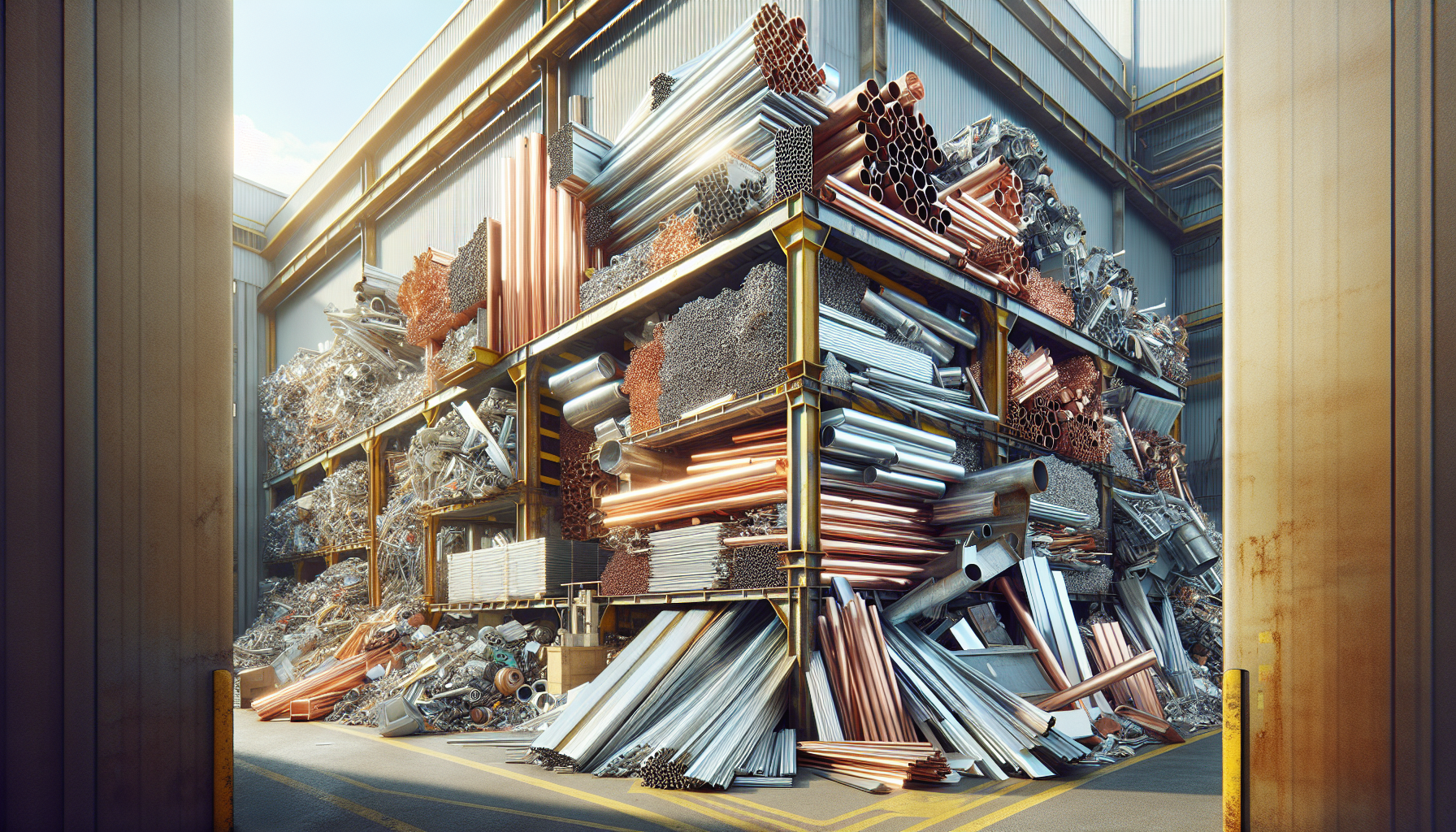
- Copper scrap from plumbing, electrical wiring, and HVAC systems
- Aluminum scrap from cans, siding, and automotive parts
- Brass from fixtures and fittings
- Lead from batteries and old pipes
- Precious metals from catalytic converters and electronics
## Why This Distinction Matters for Your Scrap Business
Price differences are significant. Non-ferrous metals typically command higher prices because they're more valuable and harder to extract. Copper scrap, for example, consistently brings better returns than steel. Aluminum scrap also offers good value, especially clean, prepared materials.
Processing methods differ too. Ferrous metals can be separated using magnets, making them easier to sort in large quantities. Non-ferrous metals require different separation techniques, which affects how recyclers handle and price them.
Market demand varies between these categories. While steel maintains steady demand for construction and manufacturing, non-ferrous metals like copper face more price volatility based on global markets and industrial needs.
## Simple Tips for Sorting Your Scrap Metal
Use the magnet test first. A regular household magnet will stick to ferrous metals but not to non-ferrous ones. This quick check helps you separate materials before heading to the scrap yard.
Clean separation increases value. Remove any attachments, insulation, or mixed materials. Clean copper wire brings significantly more than wire still covered in plastic insulation.
Look for identifying marks or colors. Copper has a distinctive reddish color, aluminum is lightweight and silver, and brass has a golden appearance. These visual cues help with proper sorting.
Consider quantity and preparation time. While non-ferrous metals bring higher prices per pound, you might have more ferrous scrap available. Both types contribute to your recycling income when properly sorted and prepared.
Understanding these differences helps you maximize returns whether you're clearing out a renovation project in Ontario, cleaning up industrial materials in Alberta, or dealing with automotive scrap anywhere across Canada.
List your scrap on GetMyScrap and let verified buyers compete for the best price.