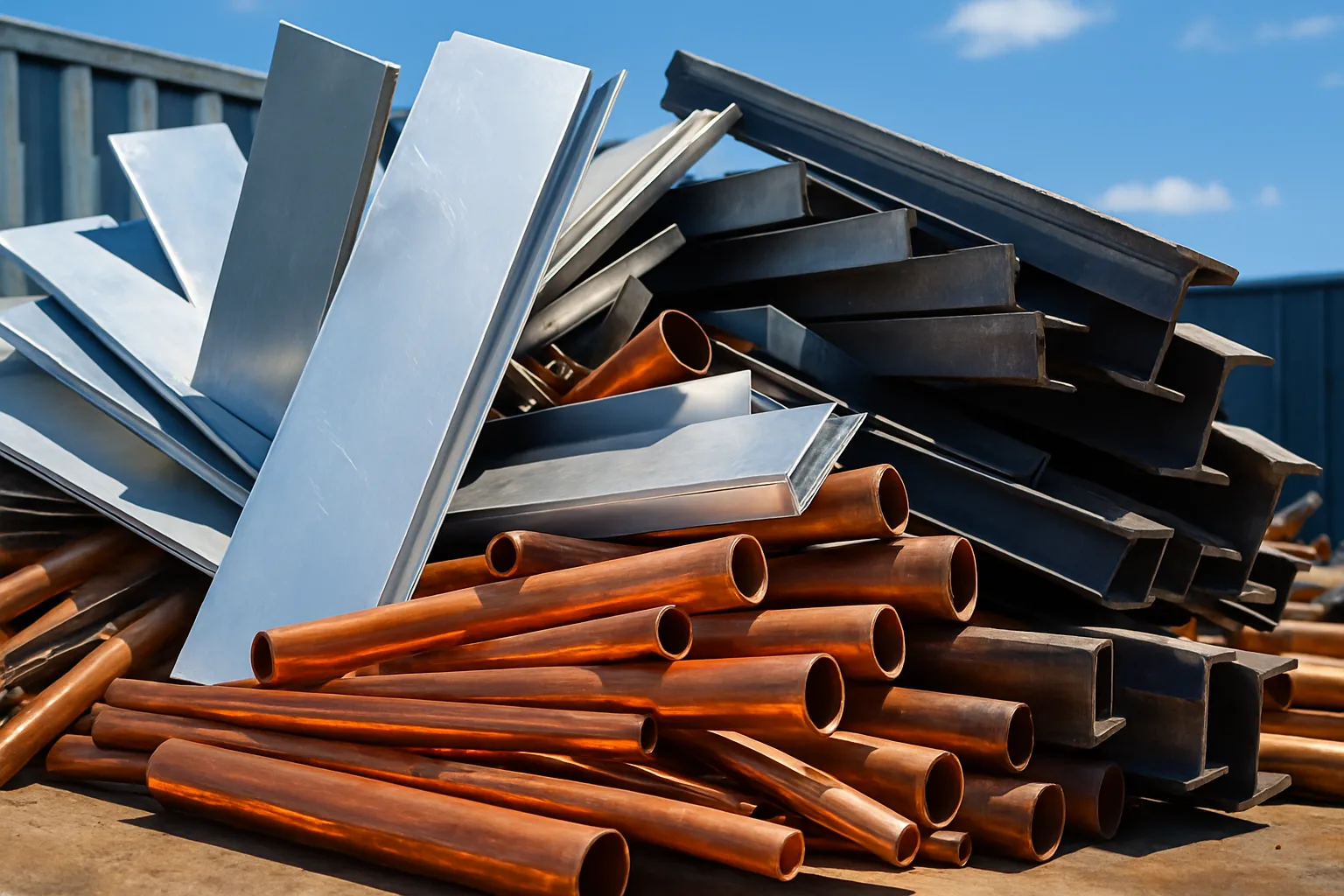
Most scrap yards treat aluminum like it's all the same. Toss it in a bin, weigh it, take whatever the single buyer on speed dial offers. Sound familiar? That approach costs yards real money — and if you're selling aluminum in Texas right now, understanding the difference between grades is one of the fastest ways to change what hits your bank account when you check scrap metal prices today.
This piece walks through how a Houston-area yard operator rethought their aluminum sorting process, started documenting loads properly, and used competitive bidding through a North America's B2B scrap metal auction platform to stop guessing and start getting paid on what the material is actually worth.
---The Problem: All Aluminum Is Not Created Equal
Aluminum is one of the most valuable non-ferrous metals in the recycling stream. But the spread between grades is significant — and most sellers collapse that spread by not sorting properly before they sell.
Here's a quick breakdown of the major aluminum grades you're likely seeing move through a Texas yard:
- 1100 / Pure Sheet (Clip): Clean, uncoated aluminum sheet. High value. Buyers want it separate.
- Cast Aluminum: Engine blocks, transmission housings, cookware. Denser, different alloy mix — priced differently than sheet.
- Aluminum Extrusions (6061, 6063): Window frames, door frames, architectural material. Cleaner extrusions fetch a premium over mixed.
- Irony Aluminum (Dirty): Steel inserts, iron attachments — heavily discounted. Worth cleaning up if volume justifies it.
- Aluminum Cans (UBC — Used Beverage Cans): High-volume, price-sensitive. Buyers track these closely.
- Aluminum Radiators: Often graded by whether they're clean or have copper attached. Clean vs. contaminated pricing varies noticeably.
- Wheels (Cast Aluminum): Chrome vs. clean cast matters. Stripped wheels without chrome plating price differently.
When you throw all of this into one load and sell it as "mixed aluminum," you're letting the buyer average down. They'll price to the worst material in the mix. Sorting takes time, but the price difference per pound across these grades makes it worth calculating whether it pays off at your volume.
---Case Study: How a Houston Yard Changed Their Aluminum Process
A mid-size Houston recycling operation — processing a mix of auto, demolition, and industrial scrap — had been selling aluminum the same way for years. One call, one buyer, one price on mixed loads. It was simple. It was also costing them.
The shift started when they began using SMASH to list aluminum loads separately by grade instead of bundling everything together. The first thing they noticed: buyers responded differently to clean, documented loads. When a load included photos, weights broken out by grade, and clear descriptions of what was in it, buyers priced it with more confidence — and competed for it harder.
A few things they changed immediately:
- Sort before listing: They started separating extrusions, cast, and clip before anything went on the platform. Even rough sorting made a difference in how buyers priced the material.
- Photo documentation per grade: Each lot got photos. Clean material photographed well. It reduced buyer skepticism and the tendency to build in a risk discount.
- Use VIN and serial tracking where applicable: For automotive aluminum — wheels, engine blocks, transmission cases — serial and VIN documentation helped establish provenance and gave buyers more confidence in the material's sourcing.
- List loads with enough lead time: Rushed listings attract fewer bids. Giving buyers 48–72 hours to review and bid made a noticeable difference in competition levels.
The result wasn't a magic number — and we're not inventing one for you. But the principle holds: competition can help reveal the market, and documented inventory gives buyers more confidence to bid closer to what clean material is actually worth.
---Why Scrap Metal Prices Today Make Aluminum Worth Sorting Properly
Aluminum pricing in 2026 continues to be driven by LME (London Metal Exchange) spot prices, regional demand from domestic mills and smelters, and the grade-specific premiums or discounts buyers apply based on what they need. Checking scrap metal prices today on a single buyer's board doesn't tell you what the market would pay if multiple buyers competed for your specific grade and volume.
Texas has significant aluminum demand. Proximity to Gulf Coast manufacturing, auto recycling infrastructure in the Houston area, and active construction demolition material flowing through the region mean there's a real buyer market — if you're reaching it. Listing on a platform that surfaces your load to vetted buyers across North America instead of the two guys whose numbers are in your phone is a different game entirely.
If you want to get a better handle on what your material is worth right now, sell your scrap metal on GetMyScrap and get eyes on your load from buyers who are actually in the market.
---How Documentation Drives Better Bids on a Scrap Metal Auction Platform
One of the clearest takeaways from yards that move to an auction-based approach: the quality of your listing directly affects the quality of your bids. Buyers use your documentation to assess risk. The higher the risk they perceive, the more they discount their offer to cover it.
When you list aluminum on a scrap metal auction platform like SMASH, you're not just posting a weight and a grade. You're building a record. Photos show condition and cleanliness. Grade breakdowns tell buyers exactly what's in the load. Packing lists and BOLs attached to the listing reduce back-and-forth and give serious buyers what they need to commit to a number.
The yards getting the best results aren't the ones with the most aluminum. They're the ones with the most consistent documentation. Buyers come back to reliable sellers. That reputation compounds over time.
For anyone running Houston scrap metal services, this matters because competition for non-ferrous in the region is real — but so is buyer caution around undocumented loads. Clean documentation removes friction. Removed friction closes deals faster at better prices.
---Selling Aluminum Scrap in Houston: What to Know Before Your Next Load
If you're in Houston or anywhere across Texas and you've got aluminum moving through your yard, here are the practical steps to get more out of it before your next sale:
- Sort to grade first. Even separating clean extrusions from cast and dirty mixed gets you better pricing than one bin.
- Weigh each grade separately. Buyers want to know what they're bidding on. Vague weights get discounted bids.
- Document with photos. Top-down and close-up. Show the condition of the material clearly.
- Know your contaminants. Irony aluminum, painted material, or aluminum with heavy attachments needs to be disclosed — or cleaned up. Surprises at the smelter create chargebacks and damage relationships.
- List with enough lead time. Don't rush a bid cycle. Give buyers time to price your material properly.
- Use a platform that puts you in front of multiple buyers. One call, one price is the old way. More buyers means better price discovery.
If you're ready to stop guessing what your aluminum is worth and start letting the market tell you, explore scrap metal selling guides that walk through the process step by step — from sorting to listing to getting paid.
---The SMASH Advantage: No Subscription, No Guesswork
Here's the model that makes SMASH different from just calling around: no subscription fee. You don't pay to list. SMASH only wins when you win. That's a structure that aligns with how a yard should want to operate — paying for results, not access.
The vetted buyer network means you're not dealing with tire-kickers. The auto-invoicing and documentation tools mean less admin after the sale closes. And the auction format means you find out what the market actually pays — not what one buyer decides to offer on a Tuesday afternoon when prices are moving against you.
For yards across Texas and Houston specifically, that matters. The region generates serious volume. That volume deserves serious competition. If you're not using a platform built to surface that competition, you're leaving money in someone else's pocket.
When you're ready to put your next aluminum load in front of buyers who are actually competing for it, get a fair price for your scrap today — and see what real price discovery looks like for your material.
---Frequently Asked Questions
Q: What are scrap metal prices today for aluminum in Houston?
Aluminum prices fluctuate daily based on LME spot rates, regional demand, and material grade. There's no single number that applies to all aluminum — clean extrusions, cast, and UBC cans all price differently. Check current rates with buyers directly or through a platform like SMASH, where competitive bids reveal what the market is actually paying for your specific grade. Always verify current pricing before selling — this article does not quote live prices.
Q: How do I find the best scrap metal prices near me in Texas?
The best way to find accurate pricing isn't to call one buyer — it's to put your load in front of multiple vetted buyers and let them compete. Local yard boards give you a snapshot, but they reflect what one buyer wants to pay today, not what the market would offer with real competition. Platforms like SMASH create that competitive environment without requiring you to cold-call a dozen contacts.
Q: What's the difference between clean and dirty aluminum scrap?
Clean aluminum has no iron, steel, or heavy contamination attached. Dirty or irony aluminum has steel inserts, bolts, or heavy paint that affects melt yield. The price difference can be significant per pound. Whether it's worth cleaning up depends on your labor cost versus the volume you're moving — but for large loads, sorting almost always pays off.
Q: Can I get scrap metal pickup near me in Houston?
Yes. Pickup options exist for both residential sellers and commercial yards in the Houston area. For large industrial or yard loads, logistics are often arranged through the platform or buyer directly. GetMyScrap can help connect you with the right options for your volume and material type.
Q: Why does documentation matter when selling scrap metal?
Buyers use documentation to assess risk. If they can't clearly see what's in a load — grade, weight, condition, photos — they build a discount into their bid to cover uncertainty. Clean documentation removes that risk premium and gives buyers the confidence to bid closer to full value. It also speeds up the close and reduces back-and-forth after the auction.
---If you've got aluminum moving through your yard, don't settle for one buyer's number. Sort it, document it, and let the market compete for it. That's how you find out what it's actually worth. Request a pickup or list your load at getmyscrap.com — and start getting paid on what your material deserves.
Stay current on scrap metal market trends, grade pricing shifts, and platform updates — follow SMASH on LinkedIn for regular industry insights from people who actually work in scrap.