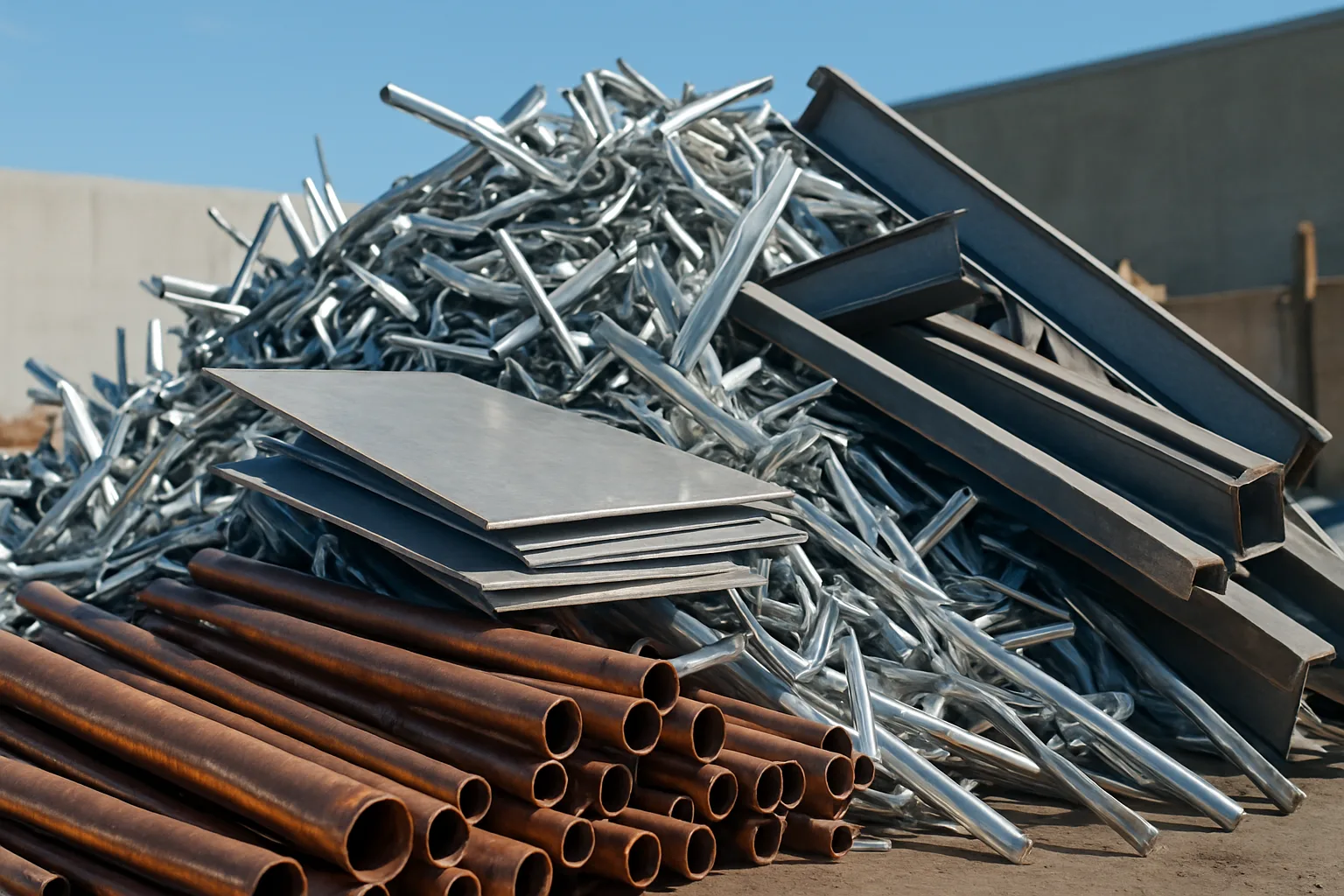
Most recyclers focus on the aluminum scrap price today and leave environmental compliance as an afterthought. That's a mistake — and in New Jersey, it can cost you more than just a fine.
Scrap metal recycling is one of the most environmentally beneficial industries in the U.S. economy. It reduces mining pressure, cuts greenhouse gas emissions, and keeps millions of tons of material out of landfills every year. But the industry also operates under a growing web of federal, state, and local regulations — and if you're selling scrap in Jersey City or anywhere across New Jersey, knowing the rules is just as important as knowing the price per pound.
This guide breaks down the environmental impact of scrap recycling, the key regulations you need to know in 2026, and how platforms like get competitive bids for your scrap metal make compliance easier by keeping your documentation clean from day one.
Why Scrap Metal Recycling Actually Matters for the Environment
Let's skip the vague feel-good language. Recycling aluminum uses roughly 95% less energy than producing it from raw bauxite ore. That's not a rounding error — that's the difference between powering a neighborhood and powering a city block. Steel recycling cuts energy use by about 60–70% compared to virgin production. These numbers are well-established and they hold up in 2026.
When you recycle copper instead of mining it, you reduce sulfur dioxide emissions, water contamination risk, and strip-mining impacts. When you pull catalytic converters from end-of-life vehicles and recycle the platinum group metals inside, you reduce the demand for one of the most destructive forms of mining on the planet. Every load you bring to a yard or list on an auction platform has a real environmental value — not just a dollar value.
For yard operators and individual sellers in Jersey City, this matters beyond the philosophical. New Jersey has some of the densest industrial history in the country, and state regulators take environmental accountability seriously. Operating clean isn't optional — it's how you stay in business.
Key Environmental Regulations Affecting Scrap Metal Sellers in New Jersey
Federal regulation of scrap metal falls primarily under the Resource Conservation and Recovery Act (RCRA) and EPA guidelines. But New Jersey layers additional requirements on top of federal baseline — and those state rules directly affect how scrap is handled, stored, transported, and sold.
Here's what sellers and yard operators in New Jersey need to understand in 2026:
- Hazardous material separation: Scrap loads cannot contain regulated hazardous materials — including certain fluids, batteries, or contaminated metals — without proper documentation and handling procedures. Mixing clean scrap with hazmat-contaminated material can void a sale and trigger an inspection.
- Catalytic converter documentation: New Jersey, like most states, has tightened regulations around catalytic converter sales following years of widespread theft. Sellers must provide proof of ownership, valid ID, and a signed seller declaration. Buyers are required to keep records. If you're looking to sell catalytic converters online, platforms with built-in serial tracking and photo documentation protect both sides.
- Stormwater and yard runoff: Yards operating in New Jersey must comply with NJDEP stormwater regulations. Fluids from crushed vehicles and contaminated metal can leach into groundwater. This affects how you store and process loads on-site.
- Scrap dealer licensing: New Jersey requires scrap metal dealers to be licensed and maintain transaction records. This applies whether you're a full-scale yard or a smaller-volume dealer. Failing to keep proper records can result in license suspension.
- Vehicle title requirements: If you're selling end-of-life vehicles for scrap, New Jersey requires the title to transfer before a yard can legally process the vehicle. No title, no deal — or at minimum, a significantly delayed and complicated one.
These rules exist for real reasons. They protect groundwater, prevent theft, and keep the metals market from being flooded with stolen or contaminated material. But they also create a compliance burden that trips up sellers who aren't prepared.
Aluminum Scrap Price Today vs. Long-Term Value: Understanding Both Sides
Everyone wants to know the aluminum scrap price today — and that's fair. Price matters. But chasing spot price without understanding the factors that affect what you actually net can leave money on the table.
The aluminum scrap value per pound fluctuates based on LME (London Metal Exchange) pricing, domestic demand, import/export flows, and grade. In 2026, aluminum remains one of the most actively recycled metals in North America, driven by automotive lightweighting trends and continued demand from packaging and construction sectors. Clean, sorted aluminum consistently fetches a premium over mixed or contaminated loads.
Here's what affects your actual aluminum payout:
- Grade and cleanliness: Painted or coated aluminum, mixed alloys, and contaminated scrap all price below clean, sorted material. Separating your loads before selling increases your aluminium scrap value per pound significantly.
- Volume: Larger loads attract more competitive bids. A single buyer quoting over the phone on a small load has no incentive to sharpen their number. An auction format changes that dynamic.
- Documentation: Buyers pay more confidently when inventory is documented — weights, photos, descriptions. Guessing games drive prices down. Transparency drives them up.
- Timing: Aluminum prices move. Selling into a rising market versus a soft market can mean a meaningful difference per hundred pounds. Watching the market and timing larger loads matters.
If you're in Jersey City or the surrounding area and haven't compared prices across multiple buyers, you're likely leaving money behind. That's exactly the problem that SMASH was built to solve. Sell your scrap metal on GetMyScrap and see what competitive price discovery actually looks like in practice.
5 Ways Environmental Compliance Directly Affects Your Scrap Value
This is the part most sellers don't connect until they've had a load rejected or a payment held. Environmental compliance and scrap value aren't separate topics — they're directly linked. Here's how:
- Clean loads pay more. Contaminated scrap — metal mixed with plastics, fluids, or regulated materials — prices lower or gets rejected outright. Compliance starts with proper material handling before the load ever leaves your facility.
- Documented transactions close faster. Regulated buyers in New Jersey require transaction records. Sellers who come prepared — with IDs, titles, serial numbers, and signed declarations — move through the process faster and avoid holds.
- Catalytic converter regulations affect your margin. If you're selling cats and don't have proper documentation, you may be limited to lower-tier buyers who price risk into their offer. Sellers with clean records and documented serial numbers can access best scrap metal prices from verified buyers.
- Stolen material kills the whole transaction. Yards that unknowingly purchase stolen scrap face seizure and legal exposure. As a seller, documenting your material protects you from suspicion and your buyer from liability — both of which translate to smoother, higher-value transactions.
- Environmental violations create operational risk. For yard operators, a stormwater violation or improper storage citation can result in fines, operational shutdowns, or license suspension. The cost of compliance is always lower than the cost of a shutdown.
Platforms like SMASH build documentation into the workflow — photo evidence, serial tracking, VIN lookup for vehicle-sourced material, and auto-generated invoicing. That's not just convenience. That's compliance infrastructure. Explore scrap metal selling guides to understand how documentation affects what you get paid.
Best Scrap Metal Prices in Jersey City: What to Look for in 2026
Getting the best scrap metal prices in Jersey City in 2026 comes down to three things: access to vetted buyers, competitive pricing formats, and clean documentation. None of those are guaranteed if you're working off a single buyer relationship or relying on cold calls to shops that may or may not be in compliance themselves.
Jersey City sits in one of the most active industrial corridors in the Northeast. The density of construction, manufacturing, and transportation in the region means there's real volume moving through local scrap channels every day. That volume creates opportunity — but only if you're positioned to access the best buyers, not just the most convenient ones.
When evaluating where to sell your scrap in the Jersey City area, ask these questions:
- Does the buyer have a verifiable license to operate as a scrap dealer in New Jersey?
- Do they provide documented transaction records that satisfy state requirements?
- Are they pricing competitively, or are you just taking the first number you hear?
- If you're selling cats, do they have a process for serial tracking and documentation?
One buyer, one phone call, one price — that's the old way. It's not competitive, and in a regulated state like New Jersey, it's also not always compliant. Get a fair price for your scrap today by putting your load in front of multiple vetted buyers at once.
How SMASH Supports Environmental Compliance and Better Pricing
SMASH operates as a scrap metal auction platform for North American yards and sellers. The platform connects sellers with vetted buyers, runs competitive auctions to drive price discovery, and builds documentation into every transaction from the start.
For sellers navigating New Jersey's regulatory environment, that matters. Serial number tracking, photo documentation, VIN lookup, and auto-invoicing aren't add-on features — they're the workflow. You don't have to build a compliance system on top of your selling process. It's already built in.
No subscription fees. SMASH wins when you win. More buyers means better price discovery — and documented inventory gives buyers more confidence to bid sharper numbers.
If you're a yard operator in Jersey City or selling loads across New Jersey, the combination of compliance and competition isn't a tradeoff. It's how you get paid more and stay out of trouble at the same time. Get competitive bids for your scrap metal and see the difference a real auction format makes.
Ready to stop guessing and start selling smarter? Request a pickup at getmyscrap.com and get a fair price for your scrap metal — whether you're clearing a single load or moving volume every week.
Stay current on scrap metal market trends and industry updates — follow SMASH on LinkedIn for regular insights and pricing context.
Frequently Asked Questions
Q: What is the aluminum scrap price today in Jersey City, NJ?
Aluminum scrap prices fluctuate daily based on LME pricing, domestic demand, and load grade. Clean, sorted aluminum consistently prices higher than mixed or painted material. Check current rates with local yards or use a competitive platform to get multiple quotes at once — a single phone call rarely gives you the market rate. Always verify current pricing before selling, as conditions change quickly.
Q: Do I need documentation to sell catalytic converters in New Jersey?
Yes. New Jersey requires sellers to provide proof of ownership, valid ID, and a signed declaration when selling catalytic converters. Buyers are required to maintain transaction records. If you want to sell catalytic converters online, use a platform with built-in serial tracking and photo documentation to protect yourself and satisfy regulatory requirements.
Q: What scrap metals get the best prices per pound in New Jersey?
Copper consistently prices highest among common scrap metals, followed by aluminum, brass, and stainless steel. Catalytic converters can carry significant value depending on the platinum group metal content. Clean, sorted material always prices better than mixed loads — separation before selling is one of the simplest ways to increase your payout.
Q: How do environmental regulations affect what I can sell at scrap yards in New Jersey?
New Jersey yards are required to refuse or quarantine loads containing hazardous materials, including certain fluids, batteries, or contaminated metals. Selling vehicle-sourced scrap requires proper title documentation. Keeping your loads clean and paperwork complete isn't just good practice — it directly affects whether your load gets accepted and at what price.
Q: What is the best way to get the highest aluminum scrap value per pound near Jersey City?
Sort and clean your aluminum before selling — remove paint, coatings, and mixed materials where possible. Then put your load in front of multiple vetted buyers rather than accepting the first offer you receive. Auction-format platforms create real competition that can help reveal the true market value of your material rather than leaving you guessing based on one buyer's quote.
Disclaimer: Scrap metal prices fluctuate based on market conditions. Always check current rates before selling. Nothing in this article constitutes a price guarantee or legal advice regarding environmental compliance.
```