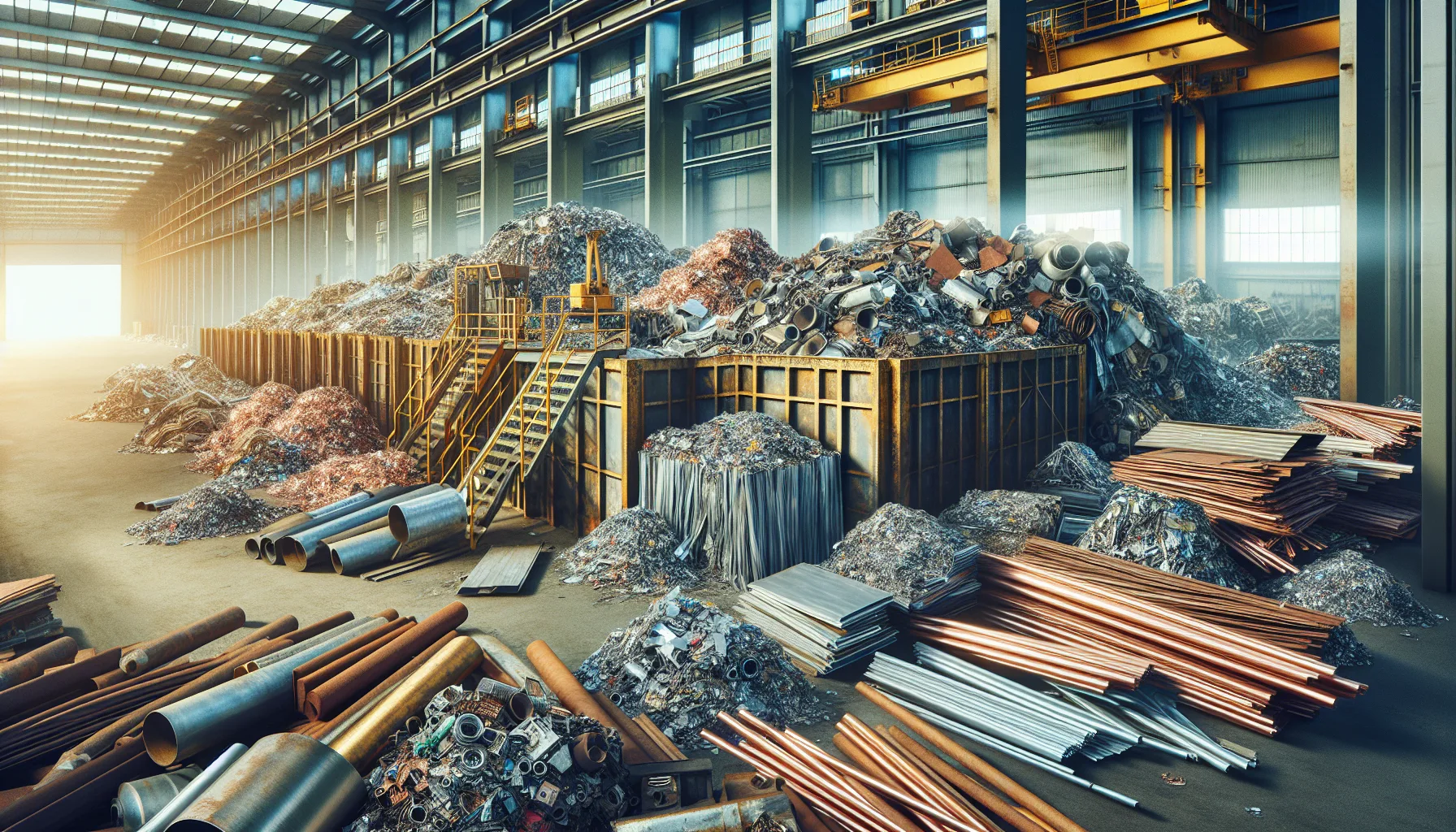
Understanding how recycling yards weigh and grade scrap metal helps Kansas City sellers maximize their profits. The weighing and grading process directly impacts scrap metal prices Kansas City yards offer, making this knowledge essential for anyone looking to sell copper, steel, aluminum, or catalytic converters in Missouri.
Different metals require specific evaluation methods. Copper gets sorted into various grades based on purity and contamination levels. Steel prices depend on thickness and magnetic properties. Catalytic converters undergo detailed inspection to determine precious metal content.
This comprehensive guide reveals exactly how Kansas City recycling facilities assess your scrap metal value. You'll learn the industry standards, common grading mistakes to avoid, and strategies to ensure fair pricing for your materials.
The Weighing Process at Kansas City Scrap Yards
Professional scrap yards in Kansas City use certified scales that undergo regular calibration to ensure accuracy. These scales typically handle loads from small amounts of copper wire to entire vehicle loads of mixed metals. Most facilities display the weight openly, allowing sellers to verify measurements.
The weighing process starts with your vehicle getting weighed on a large truck scale before unloading. After removing your scrap metal, the empty vehicle gets weighed again. The difference determines your net scrap weight. This method prevents disputes and ensures transparency in pricing.
Some smaller items like catalytic converters get weighed individually on precision scales. These scales measure to the nearest ounce or even gram, depending on the material's value. High-value items like copper scrap often receive individual attention to maximize accuracy.
Modern facilities photograph or document the weighing process, especially for valuable materials. This documentation protects both buyers and sellers, creating a clear record of the transaction. Platforms like SMASH Scrap — where verified buyers bid on your metal often require such documentation for their auction process.
Metal Grading Standards and Classifications
Scrap metal grading follows industry standards that classify materials based on purity, contamination levels, and physical characteristics. These grades directly determine the copper scrap price today and pricing for other metals in Missouri markets.
Copper receives the most detailed grading system. #1 copper consists of clean, uncoated wire and pipe with minimal oxidation. #2 copper includes items with slight contamination or coating. Lower grades contain more impurities, resulting in reduced prices. Kansas City yards strictly enforce these classifications to maintain market standards.
Aluminum grading focuses on alloy content and cleanliness. Cast aluminum commands different prices than sheet aluminum or aluminum cans. Steel gets classified as heavy melting steel, light iron, or specialized grades for stainless steel varieties.
Catalytic converters present unique grading challenges. These units contain precious metals like platinum, palladium, and rhodium in varying concentrations. Experienced buyers examine the catalyst material inside, checking manufacturer markings and physical characteristics to determine value.
Factors That Affect Your Scrap Metal Valuation
Several factors influence how Kansas City recycling yards price your scrap metal beyond basic weight and grade. Market conditions play a major role, with global commodity prices affecting local rates throughout Missouri.
Contamination levels significantly impact pricing. Clean, separated metals receive premium prices, while mixed or contaminated materials face deductions. Oil-soaked parts, painted surfaces, or attached non-metal components reduce value. Smart sellers remove obvious contaminants before visiting the yard.
Quantity affects pricing structure. Larger loads often qualify for better rates due to reduced processing costs per pound. Some Kansas City facilities offer volume discounts for industrial customers or regular sellers bringing consistent amounts.
Market timing influences daily pricing. Scrap metal recycling Missouri facilities adjust prices based on overnight commodity markets, seasonal demand, and regional supply factors. Monday morning prices might differ from Friday afternoon rates due to weekend market movements.
When you sell your scrap metal on GetMyScrap, you gain access to current market information and competitive pricing from multiple buyers in your area.
Understanding Catalytic Converter Evaluation Methods
Catalytic converter evaluation requires specialized knowledge that many Kansas City sellers lack. Professional buyers examine multiple factors beyond simple weight to determine fair pricing for these valuable emissions control devices.
Visual inspection reveals crucial information about precious metal content. Experienced evaluators identify manufacturer markings, model numbers, and physical characteristics that indicate catalyst composition. Foreign converters often contain different metal ratios than domestic units.
Some advanced facilities use X-ray fluorescence (XRF) analyzers to measure precious metal content precisely. This technology provides accurate readings without destroying the converter, ensuring fair pricing for both parties in the transaction.
The catalytic converter auction process through platforms like SMASH allows multiple buyers to bid on your units based on detailed photos and specifications. This competitive bidding often results in higher prices than single-buyer transactions at traditional yards.
Dishonest buyers sometimes undervalue converters by claiming low precious metal content or citing market downturns. Research current platinum, palladium, and rhodium prices before selling to avoid getting shortchanged on these valuable components.
Maximizing Your Scrap Metal Value in Kansas City
Preparation before visiting Kansas City scrap yards significantly impacts your final payout. Clean separation of different metal types prevents cross-contamination that reduces overall value. Remove steel bolts from copper pipes, separate aluminum from steel, and strip insulation from copper wire when practical.
Timing your sale strategically can increase profits. Monitor commodity markets and sell during price upswings when possible. End-of-month periods sometimes offer better rates as yards seek to meet monthly targets.
Documentation helps verify weights and grades, especially for valuable materials. Take photos of clean, separated metals before loading them for transport. This evidence supports your case if disputes arise during the evaluation process.
Consider multiple buyers before committing to a sale. Get a fair price for your scrap today by comparing offers from different Kansas City facilities. Competition among buyers typically results in better pricing for sellers.
Professional platforms like SMASH create competitive environments where verified buyers bid on your materials. This auction-style approach often yields higher prices than traditional walk-in sales at recycling yards.
For additional insights on maximizing your scrap value, explore scrap metal selling guides that cover advanced strategies and market analysis techniques.
Frequently Asked Questions
Q: How accurate are the scales at Kansas City scrap yards?
Professional scrap yards in Kansas City use certified scales that undergo regular calibration by licensed technicians. State regulations require accuracy within specific tolerances, typically plus or minus 0.1% for large truck scales. Always request to see the weight display during your transaction.
Q: What's the difference between #1 and #2 copper pricing in Kansas City?
#1 copper consists of clean, uncoated wire and pipe with minimal oxidation, commanding the highest prices. #2 copper includes materials with slight contamination, coatings, or oxidation, typically priced 10-20% lower than #1 grade. Kansas City yards strictly enforce these classifications based on industry standards.
Q: Do catalytic converter prices vary between different Kansas City buyers?
Yes, catalytic converter prices can vary significantly between Kansas City buyers due to different evaluation methods, market connections, and profit margins. Some buyers specialize in catalytic converters and offer better prices, while others treat them as secondary products with lower valuations.
Q: How often do scrap metal prices change in Missouri markets?
Scrap metal prices in Missouri typically change daily based on overnight commodity trading and market conditions. Some Kansas City facilities update prices multiple times per day during volatile market periods. Calling ahead or checking online pricing helps ensure current rate information.
Q: Can I dispute a weight or grade determination at a Kansas City scrap yard?
Most reputable Kansas City scrap yards allow customers to observe the weighing and grading process. If you disagree with their assessment, you can request a second opinion or take your materials elsewhere. Professional facilities welcome transparency and fair evaluation practices.
Understanding how Kansas City recycling yards evaluate your scrap metal empowers you to make informed selling decisions. Whether you're dealing with copper wire, catalytic converters, or mixed metals, knowledge of weighing and grading processes helps ensure fair pricing. Get a fair price for your scrap metal — request a pickup at getmyscrap.com and connect with verified buyers who follow professional evaluation standards.