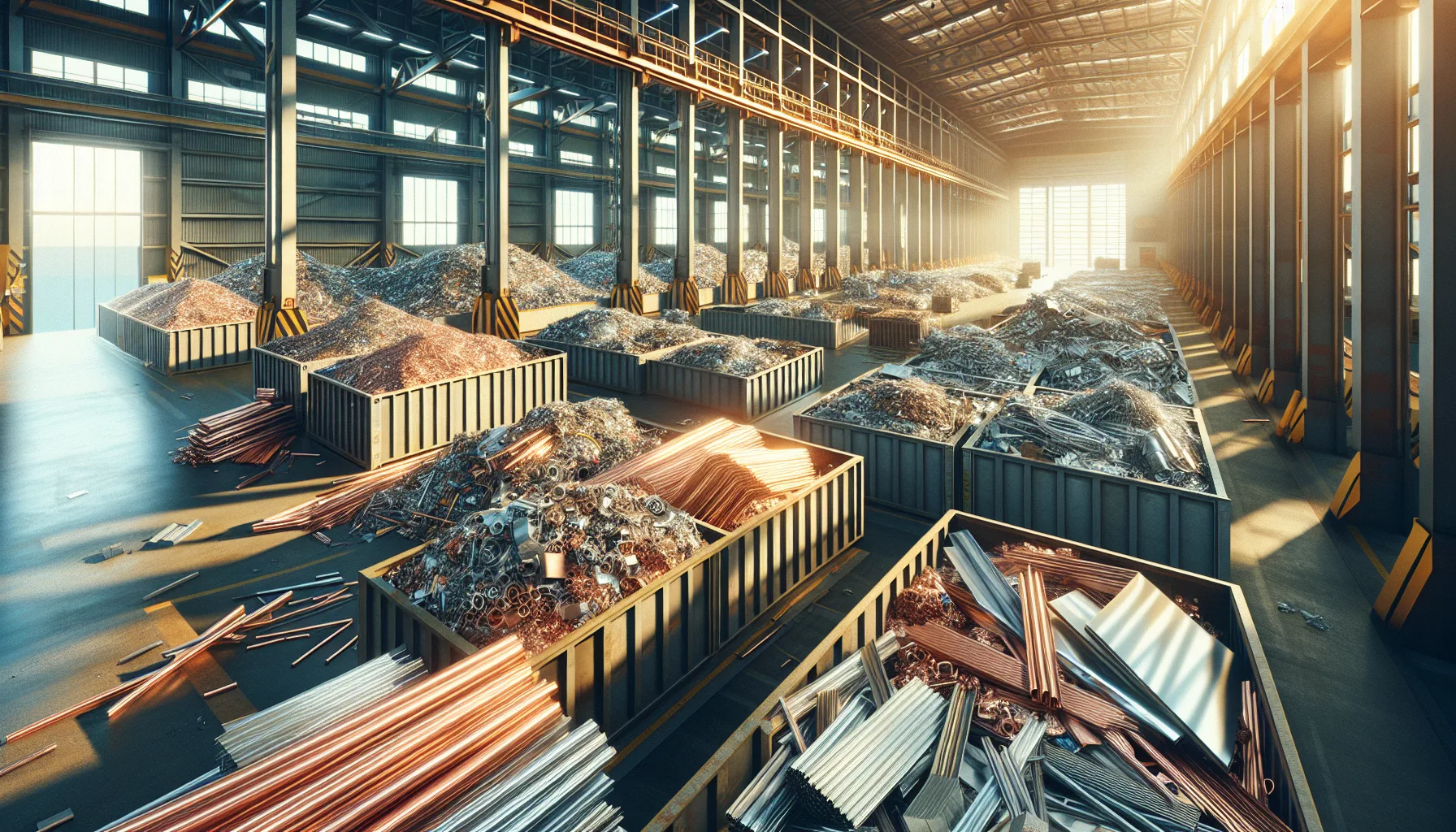
Why Metal Identification Skills Can Double Your Scrap Metal Profits
A small copper pipe sells for $3.50 per pound while the same weight in steel brings just $0.15 per pound. That's a 2,200% price difference that separates profitable scrap metal sellers from those leaving money on the table. Whether you're cleaning out a construction site in St. Paul or sorting through industrial materials, knowing how to identify different metals transforms your scrap from random junk into valuable commodities.
Professional scrap dealers use visual inspection and magnet tests to categorize metals within seconds. These same techniques work for anyone looking to maximize their returns in the competitive Minnesota scrap metal market. Understanding the difference between ferrous and non-ferrous metals, recognizing copper grades, and spotting valuable alloys becomes second nature with practice.
The scrap metal recycling market rewards knowledge. Platforms like SMASH connect informed sellers with verified buyers who pay premium rates for properly identified materials. When you accurately categorize your metals, buyers bid more aggressively knowing exactly what they're purchasing.
Essential Tools for Metal Identification at Home
Professional scrap yards use expensive XRF analyzers and spectrometers, but home sellers need only basic tools to identify most metals accurately. A strong neodymium magnet serves as your primary identification tool, instantly separating ferrous metals (containing iron) from non-ferrous materials.
Visual inspection requires good lighting and a clean workspace. Remove paint, rust, and debris from metal surfaces before testing. A wire brush or steel wool reveals the true color and texture underneath oxidation. Many sellers in St. Paul miss valuable copper hiding under green patina or aluminum beneath white corrosion.
Additional helpful tools include:
- Digital scale for accurate weight measurements
- File or sandpaper to expose fresh metal surfaces
- Magnifying glass for examining small components
- Smartphone flashlight for better illumination
- Work gloves to protect hands from sharp edges
Weight comparison also provides identification clues. Aluminum feels significantly lighter than steel of the same size, while lead possesses unmistakable density. Experienced sellers develop an intuitive feel for different metal weights through handling various materials.
The Magnet Test Method for Separating Ferrous and Non-Ferrous Metals
Magnet testing forms the foundation of scrap metal identification because it immediately divides materials into two fundamental categories. Ferrous metals contain iron and stick strongly to magnets, while non-ferrous metals show no magnetic attraction. This simple test determines whether you're dealing with lower-value steel or potentially valuable copper, aluminum, or brass.
Hold your magnet against the clean metal surface and observe the attraction strength. Steel, iron, and most stainless steel grades pull strongly toward the magnet. However, some stainless steel alloys (300 series) resist magnetic attraction due to their nickel content, creating an exception to remember.
Non-ferrous metals that fail the magnet test include:
- Copper and copper alloys (brass, bronze)
- Aluminum and aluminum alloys
- Lead and lead-based materials
- Zinc and zinc-coated items
- Precious metals (gold, silver, platinum)
When metals show weak magnetic attraction, investigate further. Galvanized steel has a zinc coating over magnetic steel underneath. Chrome-plated items often contain steel cores beneath decorative surfaces. These hybrid materials require additional testing to determine the primary metal content for accurate pricing.
Visual Identification Guide for Common Scrap Metals
Each metal displays distinctive visual characteristics that experienced sellers recognize instantly. Color, surface texture, and oxidation patterns provide reliable identification clues when combined with magnet testing results.
Copper appears reddish-brown when fresh, developing green patina over time. Pure copper feels relatively soft and bends easily compared to steel. Copper pipes, electrical wire, and roofing materials represent common sources. Clean copper commands the highest prices among common scrap metals.
Aluminum shows a silvery-white color that resists rust formation. It feels notably lighter than steel and often displays mill marks or extrusion patterns. Beverage cans, siding, window frames, and automotive parts contain aluminum alloys. The metal scratches easily with a knife blade.
Brass exhibits a golden-yellow color darker than pure copper. It contains copper and zinc, making it heavier than aluminum but lighter than steel. Brass fixtures, musical instruments, and decorative hardware provide common sources. The metal often shows a dull patina that polishes to bright gold.
Stainless steel maintains its bright, reflective finish without rusting. Most grades resist magnetic attraction, though some contain enough iron to show weak magnetism. Kitchen appliances, medical equipment, and industrial components frequently use stainless steel alloys. The metal feels heavier than aluminum but lighter than carbon steel.
Understanding these visual cues helps sellers in Minnesota maximize their returns when they sell your scrap metal on GetMyScrap. Accurate identification ensures proper pricing and builds trust with buyers.
Advanced Testing Techniques for Valuable Metal Alloys
Beyond basic magnet and visual tests, several advanced techniques help identify valuable specialty metals and determine alloy compositions. These methods prove especially useful for questionable materials that could contain precious metals or high-grade alloys.
The spark test involves grinding a small sample and observing the spark pattern. Different metals produce characteristic spark colors, lengths, and patterns. Steel creates long, bright yellow sparks with star bursts. Stainless steel produces shorter, more orange sparks. Cast iron generates short, red sparks that break apart quickly. This destructive test requires safety equipment and should only be performed outdoors.
Density testing compares metal weight to volume, helping distinguish between similar-looking alloys. Lead feels much heavier than aluminum of the same size. Brass weighs more than pure copper due to zinc content. While requiring accurate measurements, density testing provides definitive identification for many metals.
Chemical spot tests use acids or other reagents to reveal metal composition. A drop of nitric acid turns copper green, while aluminum shows no reaction. These tests require safety precautions and proper disposal methods. Many sellers prefer mechanical testing methods over chemical approaches.
Professional buyers using platforms like SMASH often provide detailed testing services, ensuring accurate identification and fair pricing for complex alloys. Their expertise becomes valuable when dealing with industrial materials or specialty metals requiring precise classification.
Common Metal Identification Mistakes That Cost Money
Several identification errors consistently reduce scrap metal profits, especially for new sellers unfamiliar with material variations. Understanding these pitfalls helps avoid costly mistakes when sorting and selling metals.
Confusing aluminum with stainless steel represents the most expensive error. Both metals resist magnetism and show silvery appearances, but aluminum sells for significantly less than stainless steel. Weight difference provides the key distinction – aluminum feels much lighter. Many sellers in St. Paul lose money by grouping these metals together.
Plated materials create another common trap. Chrome-plated steel, nickel-plated brass, and zinc-galvanized iron appear more valuable than their base metals. File a small area to reveal the underlying material before categorizing. The thin plating adds minimal value compared to solid metal construction.
Contaminated materials reduce pricing across all metal categories. Steel bolts in aluminum castings, plastic attachments on copper wire, and rubber gaskets in stainless steel assemblies lower overall value. Clean separation maximizes returns and demonstrates professionalism to buyers.
Additional costly mistakes include:
- Mixing copper grades (bare bright vs. insulated wire)
- Including iron attachments with non-ferrous metals
- Selling alloys as pure metals without testing
- Ignoring precious metal content in electronic components
- Accepting low-grade pricing for high-quality materials
Proper identification and separation techniques ensure sellers receive fair market rates. When you get a fair price for your scrap today, accurate metal categorization becomes the foundation for profitable transactions.
Building Your Metal Identification Skills Through Practice
Metal identification expertise develops through consistent practice and exposure to different materials. Start with obvious examples – copper pennies, aluminum cans, and steel nails – before progressing to challenging alloys and mixed materials.
Create a reference collection using confirmed metal samples. Label each piece with its composition and key identification features. This hands-on reference proves invaluable when encountering unfamiliar materials. Many successful sellers maintain sample collections that grow over years of experience.
Practice sessions should include timed identification challenges. Professional scrap dealers sort materials rapidly while maintaining accuracy. Speed comes from recognizing patterns and developing muscle memory for common tests. Regular practice builds confidence for real-world sorting situations.
Learn from experienced sellers and industry professionals. Minnesota has an active scrap metal community willing to share knowledge with newcomers. Scrap yards often allow educational visits where beginners observe professional sorting techniques. Online forums and local workshops provide additional learning opportunities.
Document your findings and track accuracy rates. Note which metals cause confusion and require additional testing. Recording results helps identify knowledge gaps and improvement areas. Many sellers develop personal identification systems that work reliably in their specific situations.
Resources for continuing education include industry publications, manufacturer specifications, and metallurgy guides. When you explore scrap metal selling guides, additional identification techniques and market insights expand your expertise. Professional development translates directly into higher profits and more efficient operations.
Maximizing Profits Through Accurate Metal Categorization
Precise metal identification directly impacts scrap metal profits by ensuring materials receive appropriate market pricing. Buyers pay premium rates for accurately sorted, clean materials while discounting mixed or contaminated lots. Your identification skills determine whether you receive top-dollar pricing or settle for lower mixed-metal rates.
High-value metals require extra attention to grading and preparation. Bare bright copper commands the highest prices but must be completely clean – no insulation, solder, or attachments. Number 1 copper allows minimal oxidation while Number 2 copper includes various contamination levels. Understanding these grades maximizes revenue from copper materials.
Aluminum categorization also affects pricing significantly. Clean aluminum sheet and extrusion bring premium rates while mixed aluminum receives lower pricing. Separate beverage cans, automotive parts, and structural materials for optimal returns. Each category has specific buyer preferences and market demands.
Market timing becomes crucial for valuable metals. Copper, aluminum, and stainless steel prices fluctuate based on global commodity markets. When you compare scrap metal bids from verified buyers, timing and accurate identification combine to maximize your returns. Professional buyers appreciate sellers who understand material grades and market conditions.
Documentation supports premium pricing by providing material traceability and composition verification. Maintain records showing metal sources, testing results, and grade classifications. This professional approach builds buyer confidence and justifies higher pricing for quality materials.
Frequently Asked Questions
Q: How can I tell the difference between aluminum and stainless steel without expensive equipment?
Weight provides the most reliable distinction between aluminum and stainless steel. Aluminum feels significantly lighter than stainless steel of the same size. Additionally, aluminum scratches easily with a knife blade while stainless steel resists scratching. Both metals resist magnetism, so weight comparison becomes your primary identification tool.
Q: What's the fastest way to identify copper in mixed scrap materials?
Look for the distinctive reddish-brown color of fresh copper or green patina on weathered surfaces. Copper fails the magnet test and feels softer than steel when bent. Common sources include electrical wire, plumbing pipes, and roofing materials. When in doubt, scratch the surface to reveal the characteristic copper color underneath.
Q: Why do some stainless steel items stick to magnets while others don't?
Stainless steel contains different alloy compositions that affect magnetic properties. 400-series stainless steel contains more iron and shows strong magnetic attraction. 300-series stainless steel has higher nickel content and resists magnetism. Both grades have value, but magnetic testing alone cannot definitively identify stainless steel types.
Q: Where can I find the best scrap metal prices in St. Paul for accurately identified materials?
Multiple factors determine the best scrap metal prices in St. Paul, including material grade, quantity, and market conditions. Compare quotes from several buyers and consider using online platforms that connect sellers with verified buyers. Clean, accurately identified metals consistently receive higher offers than mixed or contaminated materials.
Q: How important is cleaning metals before identification and sale?
Cleaning significantly impacts both identification accuracy and final pricing. Remove paint, rust, and debris to reveal true metal colors and textures. Clean materials receive premium pricing while dirty or contaminated metals face price reductions. The extra effort invested in cleaning and proper identification typically pays for itself through higher sale prices.
Developing strong metal identification skills transforms scrap metal selling from guesswork into profitable expertise. Whether you're processing construction debris in St. Paul or sorting industrial materials throughout Minnesota, accurate identification ensures maximum returns for your efforts. Get a fair price for your scrap metal — request a pickup at getmyscrap.com and put your new identification skills to profitable use.
Follow SMASH on LinkedIn for the latest industry updates and scrap metal market insights to stay ahead of pricing trends and identification techniques.