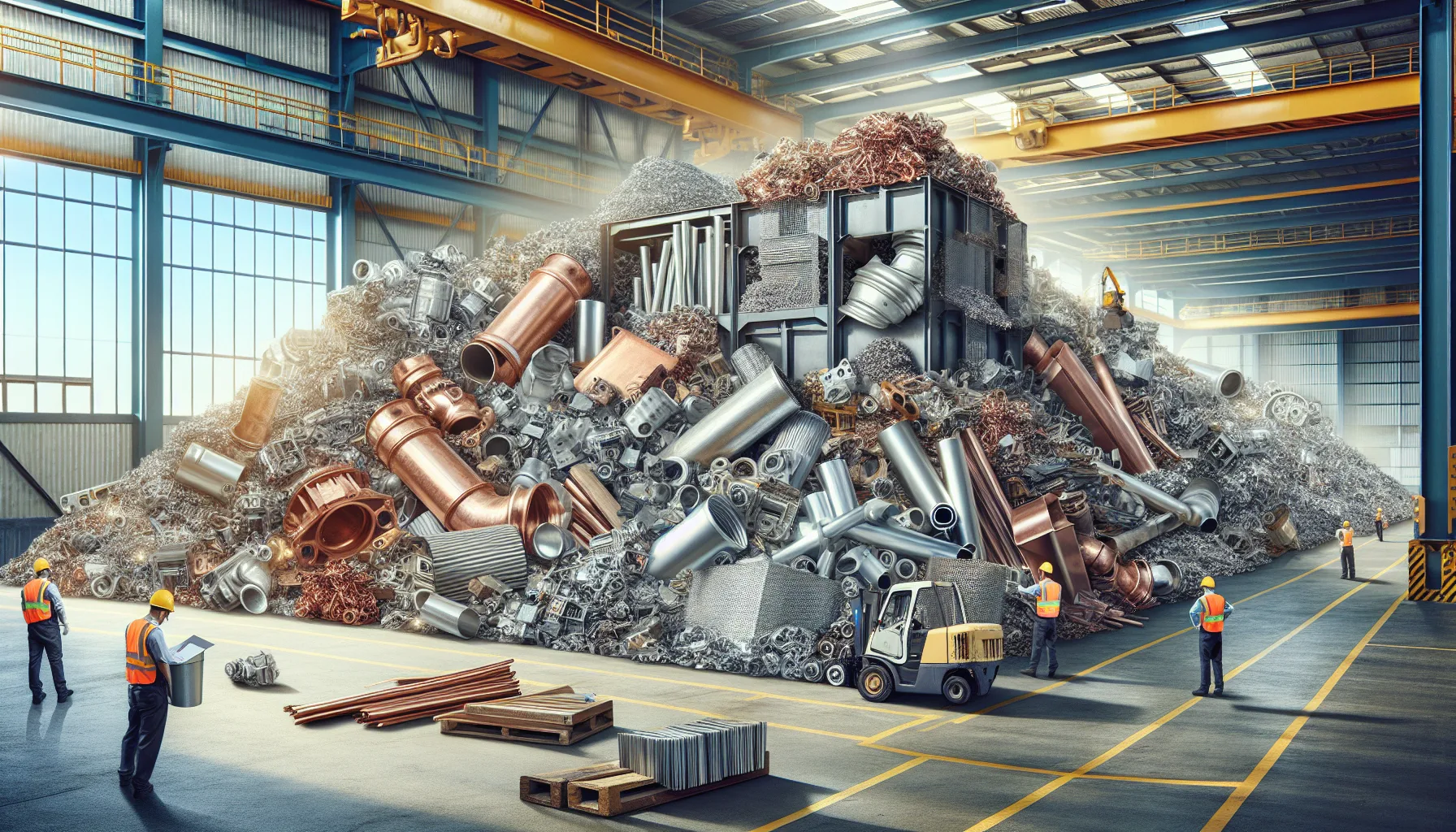
Understanding Catalytic Converter Recycling in Houston's Scrap Metal Market
Catalytic converter recycling represents one of the most lucrative segments in Houston's thriving scrap metal industry. These automotive components contain precious metals like platinum, palladium, and rhodium, making them highly sought after in the recycling market. Understanding how catalytic converter recycling works helps sellers maximize their returns while contributing to sustainable resource recovery.
The process begins when automotive recyclers, repair shops, or individual vehicle owners remove catalytic converters from end-of-life vehicles. These components then enter the scrap metal recycling Houston network, where specialized facilities extract valuable metals through sophisticated processing methods. The recovered precious metals return to manufacturing, creating a closed-loop system that reduces mining demands.
Houston's strategic location as a major industrial hub makes it an ideal market for catalytic converter recycling. The city's extensive automotive industry, combined with major shipping ports, creates consistent demand and competitive pricing for sellers throughout Texas.
The Catalytic Converter Recycling Process
Professional recycling facilities follow strict procedures to extract maximum value from catalytic converters. The process starts with careful evaluation and testing to determine precious metal content. Advanced X-ray fluorescence (XRF) analyzers provide accurate readings of platinum, palladium, and rhodium concentrations.
Once assessed, recyclers remove the ceramic or metallic substrate containing the precious metals. This honeycomb-like structure gets processed through high-temperature furnaces that separate metals from ceramic materials. The resulting precious metal concentrate undergoes further refinement to achieve purity levels suitable for industrial use.
Houston's recycling facilities often use state-of-the-art equipment to maximize recovery rates. Modern processing methods can extract up to 95% of precious metals from catalytic converters, ensuring sellers receive fair compensation while minimizing waste.
Platforms like the SMASH scrap metal auction marketplace connect sellers with qualified recyclers who use these advanced processing methods, ensuring competitive pricing based on actual metal content.
Why Catalytic Converter Prices Fluctuate
Several factors influence catalytic converter prices in Houston's scrap metal market. Precious metal commodity prices serve as the primary driver, with platinum, palladium, and rhodium values changing daily based on global supply and demand conditions.
Vehicle make and model significantly impact pricing. Luxury vehicles, hybrid cars, and certain truck models typically contain higher concentrations of precious metals, commanding premium prices. Toyota Prius converters, for example, often fetch higher prices due to their palladium content.
Market conditions in 2026 reflect ongoing supply chain adjustments and automotive industry changes. Electric vehicle adoption continues affecting long-term demand projections, while industrial applications for precious metals remain strong. These dynamics create price volatility that requires sellers to stay informed about current market rates.
Regional factors also influence pricing. Houston's proximity to refineries and export facilities can create pricing advantages compared to inland markets. Local competition among recyclers helps maintain competitive rates for sellers throughout the Texas region.
Maximizing Value When Selling Catalytic Converters
Smart sellers research current copper scrap prices Houston trends and precious metal markets before selling their catalytic converters. Understanding market timing can significantly impact returns, as prices can vary substantially within short periods.
Proper identification increases selling prices. Different converter types contain varying precious metal concentrations, and knowledgeable sellers can provide accurate descriptions that help recyclers offer fair quotes. Taking clear photos showing part numbers and overall condition assists in the evaluation process.
Quantity matters in catalytic converter recycling. Sellers with multiple units often receive better per-unit pricing due to reduced processing costs. Automotive businesses and repair shops can benefit from accumulating converters before selling to maximize returns.
Working with reputable buyers ensures fair pricing and legal compliance. Legitimate recyclers require proper documentation and follow industry regulations designed to prevent theft and ensure responsible recycling practices.
Finding the Best Prices for Catalytic Converter Recycling
Houston's competitive scrap metal market offers multiple options for selling catalytic converters. Traditional scrap yards provide immediate cash transactions, while online platforms can connect sellers with specialized precious metal recyclers offering premium pricing.
When evaluating offers, sellers should consider total value rather than just per-pound pricing. Some buyers offer pickup services, while others require delivery. Transportation costs and convenience factors into the overall transaction value.
The best scrap metal prices Texas markets offer often come from buyers who specialize in precious metal recovery. These facilities invest in advanced testing equipment and processing capabilities that allow them to pay higher prices based on actual metal content.
Platforms that facilitate competitive bidding create transparency and help sellers achieve market-rate pricing. SMASH enables sellers to sell scrap metal online through an auction system that encourages competitive pricing from multiple qualified buyers.
Timing sales strategically can improve returns. Monitoring precious metal price trends and market conditions helps sellers identify optimal selling opportunities. However, storage costs and security considerations must balance against potential price improvements.
Professional sellers often develop relationships with multiple buyers to ensure consistent access to competitive pricing. Diversifying buyer relationships reduces dependence on single sources and provides flexibility during market fluctuations.
For Houston-area sellers looking to maximize their catalytic converter recycling returns, platforms like SMASH provide access to specialized buyers who understand precious metal markets. This ensures fair pricing based on actual metal content rather than generic scrap rates. Whether you're an automotive professional with regular inventory or an individual with a few converters, sell your scrap metal on GetMyScrap to connect with qualified buyers offering competitive rates.
The catalytic converter recycling market continues evolving as automotive technology advances and precious metal demands shift. Staying informed about industry trends and working with knowledgeable buyers ensures sellers capture maximum value from these valuable automotive components. Explore scrap metal selling guides for additional insights into optimizing your recycling strategies.
Ready to turn your catalytic converters into cash? Get a fair price for your scrap today through GetMyScrap's network of qualified recyclers. Our platform connects Houston sellers with buyers who specialize in precious metal recovery, ensuring competitive pricing based on current market conditions.
Frequently Asked Questions
Q: How much are catalytic converters worth in Houston's scrap metal market?
Catalytic converter values vary significantly based on vehicle make, model, and precious metal content. Prices fluctuate with commodity markets, but converters typically range from $50 to $500 or more. Hybrid vehicle converters and those from luxury cars often command premium pricing due to higher precious metal concentrations.
Q: What documentation do I need to sell catalytic converters in Texas?
Texas requires sellers to provide valid identification and proof of ownership when selling catalytic converters. Legitimate buyers will request this documentation to comply with state regulations designed to prevent theft. Keep receipts or documentation showing legal acquisition of the converters.
Q: How can I get the best prices for catalytic converter recycling in Houston?
Research current precious metal prices and obtain multiple quotes from different buyers. Specialized precious metal recyclers often pay more than general scrap yards. Online platforms like SMASH can connect you with competing buyers, potentially increasing your returns through competitive bidding.
Q: Do all catalytic converters contain the same valuable metals?
No, catalytic converters vary significantly in precious metal content. Gasoline engine converters typically contain platinum and palladium, while diesel converters often contain more platinum and rhodium. Hybrid vehicle converters frequently have higher concentrations of valuable metals, making them more valuable in the recycling market.
Q: Is it better to sell catalytic converters individually or in bulk?
Bulk sales often yield better per-unit pricing due to reduced processing costs for buyers. However, high-value converters from luxury or hybrid vehicles might be worth selling individually to specialized buyers who can properly evaluate their precious metal content and offer premium pricing accordingly.
Note: Scrap metal prices fluctuate based on market conditions. Check current rates before selling your materials.
Get a fair price for your scrap metal — request a pickup at getmyscrap.com.
Follow SMASH on LinkedIn for industry updates and scrap metal market insights.