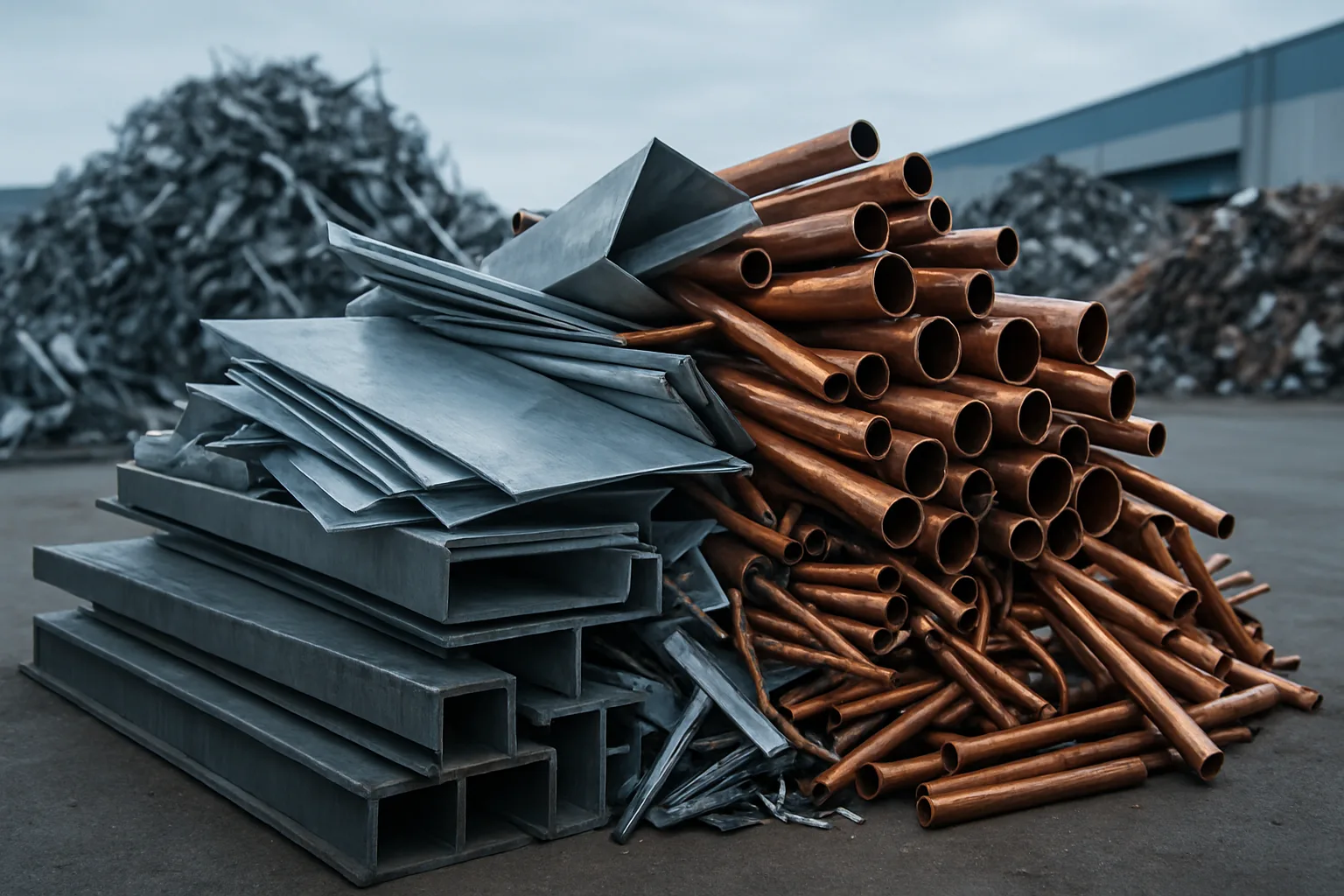
The Most Profitable Scrap Metals Right Now — And How to Collect More of Them
Most people selling scrap leave money on the table. Not because the metal isn't valuable — but because they don't know which materials to prioritize, how to sort them, or where to find buyers who will actually compete for their load. This weekly roundup breaks down the most profitable types of scrap metal to collect in 2026, what's moving the market, and how a B2B scrap metal marketplace changes the math for serious sellers.
Whether you're a yard operator in San Francisco, a contractor clearing a job site, or someone sitting on a pile of old catalytic converters, this guide is for you.
Why Metal Type Matters More Than Volume
A full truck of shredded steel pays less per pound than a single bucket of clean copper wire. Volume matters, but material grade matters more. If you're collecting everything without sorting, you're probably blending high-value metal into low-value loads — and losing money on every trip.
The scrap market rewards specificity. Buyers price by grade, alloy, and contamination level. The cleaner and better-documented your load, the more competitive interest it attracts. That's true whether you're selling a few hundred pounds or a few tons.
Here's a general hierarchy of scrap metal profitability in 2026, from highest to lowest value per pound:
- Catalytic converters — platinum group metals (PGMs) inside make these the highest-value items pound-for-pound
- Copper — bare bright, #1, #2, and insulated wire all command strong pricing
- Aluminum — extrusions, cast, sheet, and breakage vary significantly by grade
- Stainless steel — 304 and 316 grades hold strong value; contamination drops price fast
- Brass — yellow brass, red brass, and mixed brass all price above ferrous metals
- Ferrous steel and iron — high volume, lower per-pound value, but consistent demand
Knowing this list isn't enough. You need to know where to find these materials — and how to get the best price once you have them.
Catalytic Converters: The Highest-Value Scrap You Can Collect
If you want the best price for catalytic converters, you need to understand what drives their value. Cats contain platinum, palladium, and rhodium — three of the most expensive metals on earth. A single converter can be worth anywhere from $20 to several hundred dollars depending on the vehicle it came from and current PGM spot prices.
In 2026, the catalytic converter market has matured. Buyers want documentation. VIN numbers, vehicle make and model, photo records, and serial numbers on the converter body itself — all of this builds a verifiable paper trail that legitimate buyers require. Platforms like find the best price for your scrap on SMASH use serial tracking and photo documentation to make that process straightforward for sellers who want to move cats through a transparent, competitive process.
If you're in the San Francisco Bay Area, converters come from fleet vehicles, auto shops, salvage operations, and end-of-life vehicle processing. Volume matters here. Even a modest collection of 20-30 mixed cats can generate serious revenue when sold through a competitive auction format rather than a single buyer offering a flat rate.
What to prioritize when collecting cats:
- Late-model domestic trucks and SUVs — high PGM content
- Toyota and Honda vehicles — known for higher-value converters
- Diesel converters — different chemistry, but still valuable
- Document everything — VIN, photo, serial number before pulling
Copper, Aluminum, and Non-Ferrous: Where the Consistent Money Lives
Copper is the backbone of non-ferrous scrap. Construction jobsites, HVAC tear-outs, electrical work, and industrial equipment all produce copper — and clean copper pays well. The key is grade separation. Bare bright copper (stripped, uncoated, no solder) commands the highest price. #1 copper follows. Once you introduce insulation, tin coating, or mixed alloys, the price steps down.
If you're looking to sell copper at the best rate, clean and sort before you show up at the yard. Mixed loads get downgraded. A few hours of sorting can add meaningful dollars per pound across a full load. In California markets, including San Francisco, buyers are accustomed to seeing well-prepared loads — competition among buyers is real, and clean material gives you leverage.
Aluminum is the next tier. It's everywhere — construction scrap, window frames, engine components, wheels, cans. But not all aluminum is equal:
- Aluminum extrusion — clean and consistent, prices well
- Cast aluminum — engine blocks, transmission cases, lower price per pound
- Aluminum sheet — roofing, siding, industrial applications
- Breakage — mixed aluminum, priced at a discount
Brass and stainless steel round out the non-ferrous tier. Brass plumbing fittings, valves, and fixtures are common in renovation debris. Stainless shows up in restaurant equipment, industrial processing, and medical facilities. Both price well above steel when clean and sorted.
For sellers in California dealing with commercial volumes, using a scrap metal auction platform to run competitive bids is worth understanding. Sell your scrap metal on GetMyScrap to connect with buyers ready to compete for quality loads.
Where to Source High-Value Scrap Metal in 2026
Knowing what to collect is step one. Knowing where to find it consistently is what separates casual sellers from operations that run real volume. In urban markets like San Francisco, the sources are dense — but so is the competition for material.
Top sourcing channels for high-value scrap in 2026:
- Contractors and construction crews — copper wire, aluminum, steel — offer to haul it for free in exchange for the metal
- Auto repair shops and dealerships — catalytic converters, aluminum wheels, batteries
- HVAC and plumbing companies — copper pipe, aluminum coils, brass fittings
- Property managers and building owners — appliances, electrical, structural metal during renovations
- Industrial facilities and manufacturers — consistent offcuts, punchings, and production scrap
- Municipalities and fleet operations — end-of-life vehicles, infrastructure materials
Relationships drive sourcing. If you're reliable, show up on time, and document your pickups properly, contractors and shop owners will call you first. That consistency builds a pipeline that high-volume scrap businesses depend on.
For those managing commercial accounts, explore scrap metal selling guides to understand how to grade, document, and present loads for maximum buyer interest.
How a B2B Scrap Metal Marketplace Changes Your Selling Strategy
Here's the old way: you collect scrap, call one buyer, take whatever price they quote, and move on. No competition. No data. No leverage. You might be leaving 10%, 20%, or more on the table every single time.
A B2B scrap metal marketplace changes that dynamic. When multiple vetted buyers see your load — graded, photographed, documented — they compete. Competition reveals what the market actually thinks your material is worth. That's not marketing language. That's basic economics.
SMASH is built specifically for this. Vetted buyers, auction format, photo documentation, serial tracking for cats, auto-invoicing — the whole transaction is structured to give sellers more information and more competition. No subscription fees. SMASH only wins when you win.
For sellers in scrap metal recycling California markets — whether you're in San Francisco, the Central Valley, or Southern California — the buyer pool on a platform like SMASH extends beyond your local yard. That matters when you have a specialty load or a high-value lot that deserves real price discovery.
Even if you're new to selling commercially, the process is straightforward. Document your inventory. Upload photos. Let buyers bid. Get a fair price for your scrap today without guessing what your load is actually worth.
Weekly Market Notes: What's Moving in August 2026
As of this week, non-ferrous metals continue to see active buyer interest. Copper grades remain the most consistently competitive category on auction platforms. Catalytic converter activity stays elevated — buyers are focused on documented lots with clear serial records. Aluminum is steady, with extrusion grades holding up better than cast and breakage material.
Ferrous prices are range-bound. Steel and iron volumes are moving, but margin is thin without sorting and contamination control. If you're running ferrous loads, clean material and consistent documentation still help separate your bid from the noise.
Disclaimer: Scrap metal prices fluctuate daily based on commodity markets, regional demand, and material grade. Always check current rates before selling. The price information above reflects general market conditions and does not constitute a price guarantee.
The San Francisco Bay Area market continues to show strong demand for non-ferrous loads. California's active industrial and construction base generates consistent material — and buyers know it. If you're sitting on a mixed load and haven't tested the market recently, now is a reasonable time to do it.
Frequently Asked Questions
Q: What is a B2B scrap metal marketplace and how does it work?
A B2B scrap metal marketplace connects commercial sellers — yards, contractors, fleet operators — with vetted industrial buyers through a competitive auction format. Sellers document and upload their inventory, buyers submit bids, and the seller accepts the best offer. Platforms like SMASH handle documentation, invoicing, and buyer verification so the process is transparent on both sides.
Q: What scrap metal brings the highest price per pound?
Catalytic converters are typically the highest-value scrap item by weight due to their platinum group metal content. Clean copper grades follow — bare bright copper commands the best copper pricing. Brass, stainless steel, and aluminum extrusion also price well above ferrous metals like steel and iron.
Q: How do I sell scrap metal in San Francisco?
In San Francisco, you can work with local scrap yards directly or use a B2B platform like SMASH to reach multiple vetted buyers at once. For commercial volumes, auction-format platforms give you price discovery that a single yard call doesn't. Always document your load with photos and weights before selling.
Q: Do I need to sort my scrap before selling?
Yes — sorting significantly affects your price. Mixed loads get downgraded because buyers have to account for contamination and sorting costs. Separating copper from aluminum, clean grades from contaminated material, and cats from other non-ferrous will improve your offer. The cleaner and more specific your load, the more competitive the bids.
Q: Are scrap metal prices the same across California?
No. Prices vary by region, buyer competition, and local demand. San Francisco Bay Area pricing can differ from inland California markets. Using a platform with multiple buyers helps normalize pricing by introducing real competition regardless of your location. Always get more than one quote before selling a significant load.
If you've been collecting scrap and settling for the first price offered, it's worth rethinking that approach. The materials are valuable. The buyers are out there. What's missing is the competition — and that's exactly what a modern selling process fixes. Get a fair price for your scrap today and stop guessing what your load is worth.
Stay sharp on the market — follow SMASH on LinkedIn for weekly scrap metal market insights, pricing trends, and industry updates you can actually use.