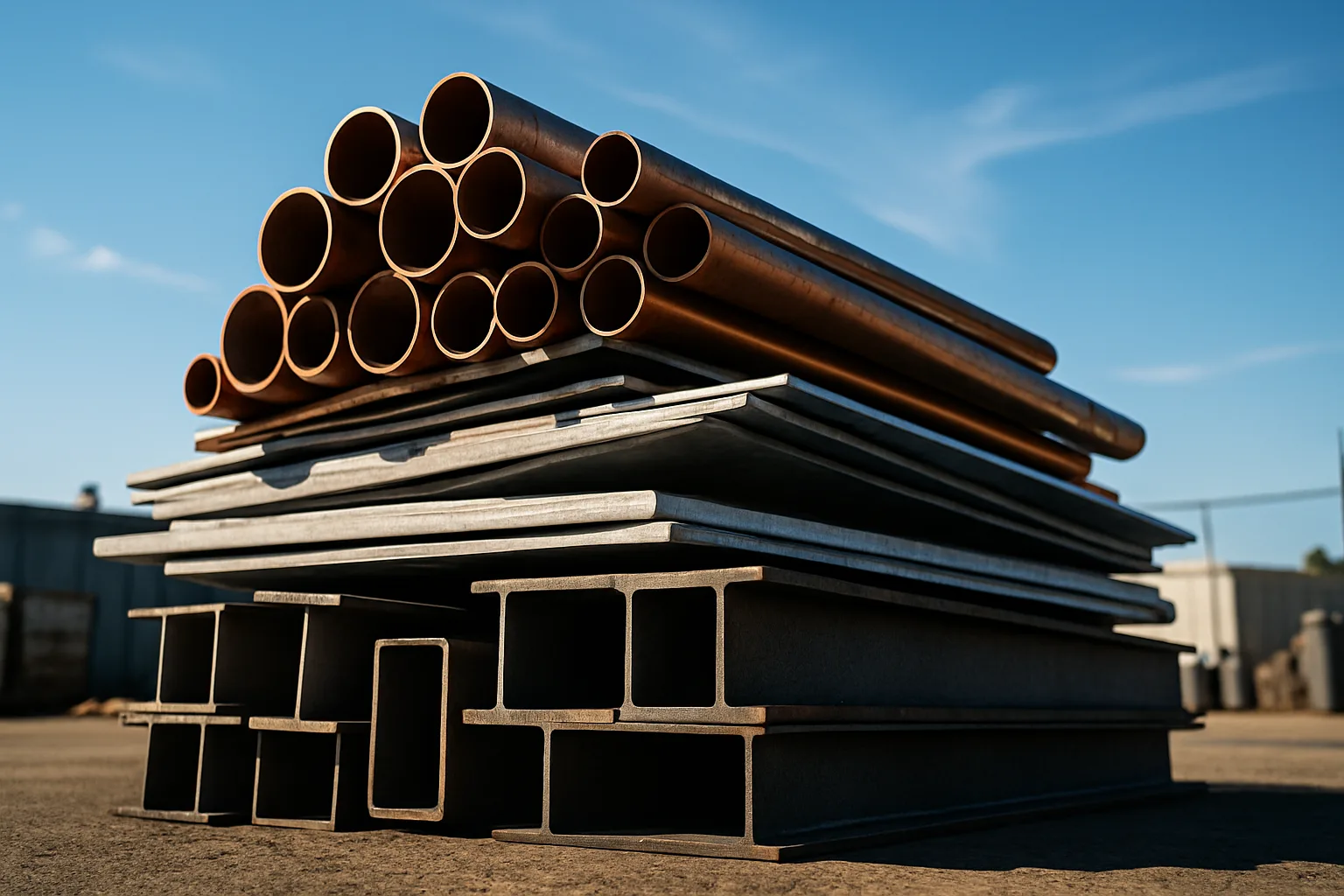
Small-Scale Scrap Collectors in Milwaukee: How to Earn More From Every Load
Most small-scale collectors leave money on the table. Not because the metal isn't there — but because they're selling it wrong. If you're hauling scrap in and around Milwaukee and wondering why your payouts feel inconsistent, the answer usually comes down to three things: sorting habits, timing, and where you're selling. Fix those, and the same load of metal earns you more.
This isn't about working harder. It's about working smarter with what you're already picking up. Whether you're pulling copper from job sites, stripping catalytic converters from end-of-life vehicles, or collecting aluminum throughout Wisconsin, the strategies below apply directly to you.
Know What You Have Before You Drive to the Yard
Walking into a scrap yard with a mixed, unsorted load is the fastest way to get a low offer. Yards price by the worst material in the pile when things aren't separated. That means your clean copper wire gets priced like insulated wire, or your bare bright gets lumped in with #2 copper — and you lose real money on the spread.
Sort before you go. It takes extra time, but it pays off. Here's a basic breakdown of what to separate:
- Copper: Bare bright, #1 copper, #2 copper, insulated wire, and copper pipe all carry different values. Keep them apart.
- Aluminum: Extrusion, cast, sheet, and cans are graded differently. Mixed aluminum gets graded down.
- Steel and iron: Light iron, heavy melt, and shredable steel have different price tiers. Separate them if volume allows.
- Catalytic converters: Don't lump them with ferrous. Cats are their own category — and a high-value one at that.
- Electronics and cores: Set these aside completely. They require separate pricing and documentation.
Spending 20 minutes sorting before a run can make a meaningful difference in what a yard is willing to pay. When a buyer sees organized, clean material, they also take you more seriously as a seller — which matters when you're negotiating or building a repeat relationship.
Scrap Metal Prices Milwaukee: What Drives the Numbers
If you're tracking scrap metal prices Milwaukee and wondering why the numbers swing, here's the short version: commodity markets move daily. The price of copper on the LME (London Metal Exchange), trade policy shifts, industrial demand, and even currency fluctuations all feed into what a local yard pays on any given day.
As of mid-2026, copper remains one of the most actively traded industrial metals in the world, driven heavily by electrical infrastructure buildout and EV manufacturing demand. That's good news for anyone pulling copper from demolition sites or stripping wire. But it also means the copper scrap price today might be noticeably different from what it was last week — so timing matters.
A few things Milwaukee-area collectors should watch:
- Global copper demand cycles: When manufacturing data from Asia comes in strong, copper tends to move up. Keep a loose eye on market news.
- Seasonal steel trends: Construction activity in Wisconsin slows in winter. That affects the volume of scrap flowing into yards, which can shift local pricing.
- Catalytic converter market: Platinum group metals (PGMs) — platinum, palladium, rhodium — are what make cats valuable. Those prices fluctuate independently of base metals.
Don't obsess over daily prices, but do have a general sense of whether the market is trending up or down. If you've got a significant load of non-ferrous metal and prices are on the rise, holding a few extra days could be worth it. Disclaimer: Metal prices fluctuate constantly. Always check current rates before selling.
Catalytic Converters: Stop Selling Them for Scrap Yard Spot Prices
This is where most small collectors leave the most money behind. Catalytic converters are not the same as bulk scrap. Each cat has a specific PGM content that varies by make, model, and year. A yard buying cats in bulk often doesn't break that down for you — they offer a flat price based on averages, and that average usually favors the buyer.
The smarter move is to get your cats into a catalytic converter auction. When multiple vetted buyers compete for your converter lots, you get actual price discovery instead of a single offer you have to accept or walk away from. That's exactly what the SMASH scrap metal auction marketplace is built for — connecting sellers with buyers who know exactly what PGMs they're bidding on.
Before you sell any cats, document them properly:
- Photograph the serial number or part number on each converter.
- Record the vehicle make, model, and year if you know it (VIN lookup helps here).
- Count and group them by type — don't mix foil cats with standard ceramic cores.
- Note condition — full, gutted, or aftermarket units are priced differently.
Proper documentation also protects you legally. Wisconsin, like most states, has regulations around the documentation required to sell catalytic converters. Make sure every cat you're selling has a clear, traceable source. Compliance isn't optional — and any legitimate buyer will expect it.
Where to Sell: Local Yards vs. Online Auctions
Local yards in Milwaukee are convenient. You can load up and be paid the same day. For low-grade ferrous scrap — light iron, shredable steel — that speed and convenience usually makes sense. The margin between buyers isn't wide enough to justify the extra effort of shopping loads around.
But for high-value non-ferrous materials — copper, aluminum, cats, electronic cores — the equation changes. A single buyer offering a single price is not the best system for the seller. It's the best system for the buyer. You should want competition.
That's where platforms like SMASH shift the dynamic entirely. Instead of accepting whatever the yard at the end of your street offers, you put your load in front of multiple vetted buyers and let them compete. More buyers means better price discovery. The market tells you what your material is actually worth — not just what one buyer is willing to pay today.
For Milwaukee-area collectors running higher volumes of non-ferrous or cats, it's worth testing the difference. Sell your scrap metal on GetMyScrap and see what competitive pricing actually looks like for your loads. You might be surprised at the spread between what you've been getting and what the market will actually bear.
Build a System: Documentation, Routes, and Volume
The collectors who consistently earn more aren't just lucky with their finds. They run their operation like a business, even if it's small-scale. That means documentation, efficient routes, and building toward volume that attracts better buyers.
Documentation: Keep records of every load — weight, material type, buyer, price per pound, and date. Over time, this data tells you which materials are most profitable per pound, which buyers are most consistent, and where your time is best spent. It also protects you if there's ever a dispute.
Route efficiency: Fuel and time are real costs. If you're driving across Milwaukee three times a week for partial loads, you're burning margin. Consolidate. Build up material before making a run, especially for lighter-weight metals where the per-trip economics matter more.
Volume: Yards and buyers offer better pricing at volume. If you can team up with other small collectors in your area — or find consistent commercial accounts like contractors, HVAC shops, or auto repair businesses — you increase your throughput without proportionally increasing your time. A steady, predictable volume seller is a valuable customer to any buyer.
For more practical guidance on selling smarter, explore scrap metal selling guides — there's a lot more depth available for collectors at every level.
Regulations Small Collectors in Wisconsin Need to Know in 2026
Scrap metal regulations have tightened significantly across the country over the past few years. Wisconsin is no exception. If you're operating in Milwaukee or anywhere across Wisconsin, here are the key compliance points that apply to small-scale sellers in 2026:
- ID requirements: Most Wisconsin scrap yards require a valid government-issued ID for every transaction. This is standard and non-negotiable.
- Catalytic converter documentation: You must be able to show proof of ownership or a clear chain of custody for any cats you're selling. This is enforced increasingly strictly in 2026.
- Payment restrictions: Wisconsin regulations limit cash payments for certain transactions above defined thresholds. Know the limits before you expect cash for a large load.
- Photo documentation: Many yards now photograph material and sellers as part of their intake process. This is both a legal requirement in some cases and a theft-deterrent measure.
- Wait periods: Some materials have mandatory hold periods before payment is released. Factor this into your cash flow expectations.
Operating clean is not just about staying legal — it's about building a reputation. Yards that trust you move faster, offer better, and call you when they have material to move. That's worth a lot more over time than a shortcut that puts your operation at risk.
For Milwaukee scrap metal services tailored to local collectors navigating these requirements, there are resources specifically designed to help you stay compliant and get paid fairly.
Frequently Asked Questions
Q: What are scrap metal prices in Milwaukee right now?
Scrap metal prices in Milwaukee fluctuate daily based on commodity markets and local yard conditions. Copper, aluminum, and catalytic converter prices in particular can shift significantly week to week. Always check current rates directly with your buyer before loading up. Platforms like the SMASH scrap metal auction marketplace can help you understand what multiple buyers are actually willing to pay in the current market.
Q: How do I find the best scrap metal prices near me in Milwaukee?
The best approach is to call or check online rates at multiple yards before committing — especially for non-ferrous loads. For high-value materials like copper or catalytic converters, auction platforms that expose your load to multiple buyers often return better results than single-yard quotes. Don't settle for the first number you hear.
Q: What is the copper scrap price today?
Copper scrap prices vary daily and differ by grade — bare bright, #1 copper, #2 copper, and insulated wire are all priced differently. Check with local Milwaukee yards or commodity tracking tools for current figures. Disclaimer: Prices fluctuate constantly and what you read online may not reflect real-time local market conditions.
Q: How do I sell catalytic converters legally in Wisconsin?
In Wisconsin, you need to provide valid ID and documentation proving ownership or lawful possession of any catalytic converters you're selling. Many buyers also require photos and serial numbers. Using a platform like SMASH that requires documentation from all parties protects you and ensures you're selling to vetted, compliant buyers.
Q: Can I get a scrap metal pickup in Milwaukee instead of dropping off?
Yes — for larger loads or situations where transportation isn't practical, pickup services are available. Get a fair price for your scrap today by requesting a pickup through GetMyScrap, which connects sellers across Wisconsin with buyers who can come to you for qualifying loads.
---If you're hauling scrap in Milwaukee and want to stop guessing what your material is worth, the next step is simple. Build your sorting habits, document your cats, and put your best loads in front of more than one buyer. GetMyScrap and the SMASH auction platform exist specifically to make that easier. Get a fair price for your scrap metal — request a pickup or list your load at getmyscrap.com and let competition do the work for you.
Follow SMASH on LinkedIn for regular updates on scrap metal market conditions, regulation changes, and industry insights that keep small collectors ahead of the curve.