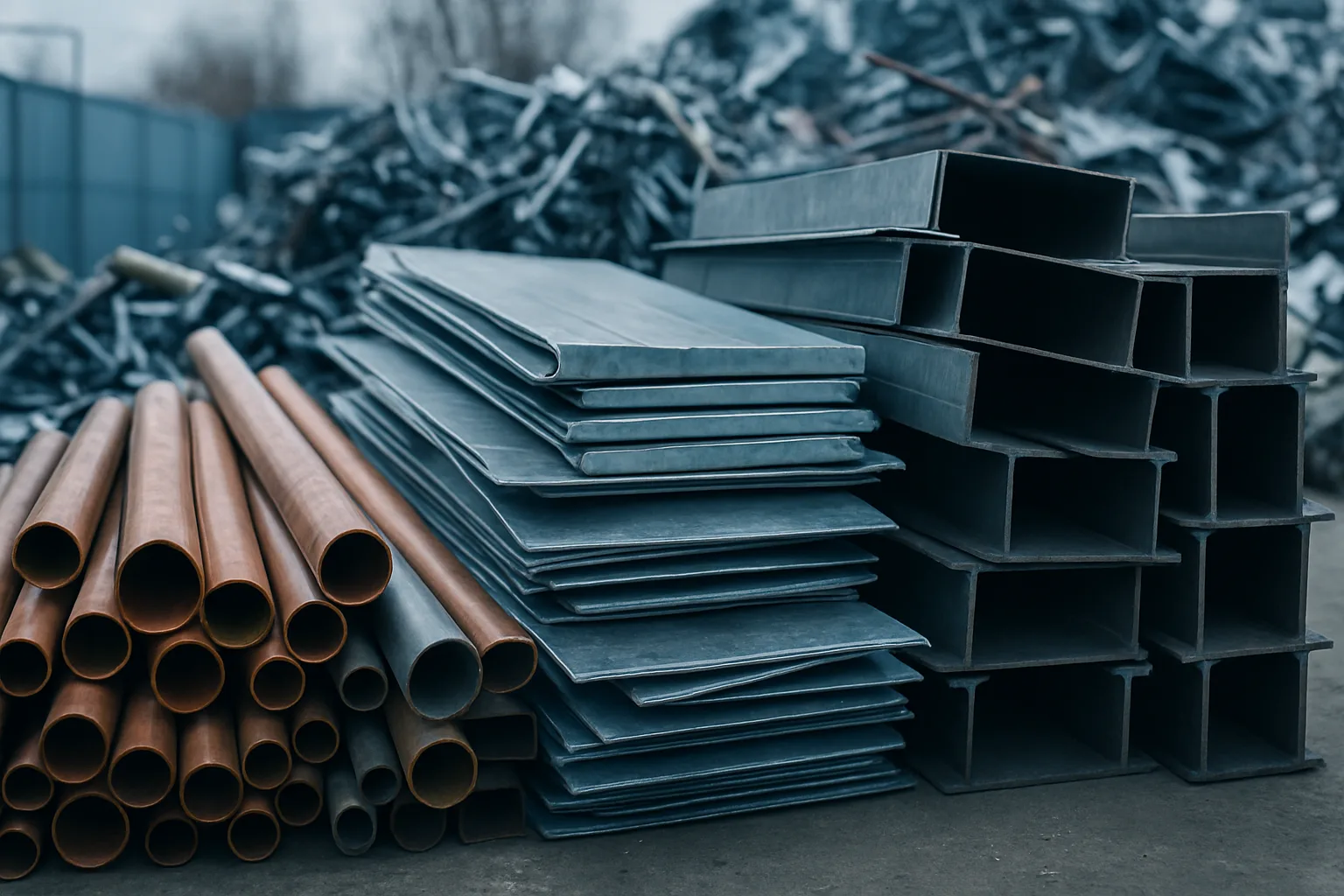
What the Steel Scrap Price Today Tells You Before You Start
Most people who start a scrap metal side business do it backwards. They collect first, then figure out what they have. That approach leaves money on the table before you've even begun. The steel scrap price today, along with copper and aluminum values, should drive every decision you make — what to collect, when to sell, and who to sell to.
This isn't a passive income fantasy. It's a real hustle that rewards people who pay attention to the commodity market. If you're based in St. Paul, Minnesota or anywhere in the upper Midwest, you have infrastructure on your side: manufacturing corridors, construction activity, and active demolition projects that generate consistent material. The raw material is out there. The question is whether you're set up to capture it and sell it right.
This guide walks you through exactly how to build a small scrap collection business from scratch — sourcing, sorting, pricing, and finding buyers who compete for your loads.
Understanding Scrap Metal Prices Today Before You Collect a Single Pound
The single biggest mistake new collectors make is treating scrap like a treasure hunt instead of a commodity business. Every material you touch has a price attached to it. The steel scrap price today fluctuates based on global demand, mill activity, and tariff conditions. Copper and aluminum move on their own cycles. If you don't know what the market is paying before you fill your truck, you're guessing.
Here's what you need to track on a regular basis:
- Steel scrap (HMS 1 & 2): Bulk ferrous pricing, typically sold by the gross ton. Margins are thinner but volume makes up for it.
- Copper scrap price today per kg: Bare bright copper, #1 copper, #2 copper, and copper wire all have separate grades and separate values. Don't mix them.
- Aluminium scrap value today: Extrusions, cast, and sheet all grade differently. Painted or contaminated aluminum pays less.
- Catalytic converters: One of the highest-value items pound-for-pound. Pricing depends on VIN, make, model, and the PGM (platinum group metal) content inside.
- Stainless steel, brass, and lead: Specialty non-ferrous that many new collectors overlook entirely.
Prices fluctuate constantly. A price that's accurate today may be off by tomorrow. Always verify current scrap metal prices today through a live pricing source or directly with buyers before committing to a collection run. Consider checking a B2B scrap metal marketplace to see what active buyers are paying — that's the real market, not a posted average.
Building Your Sourcing Network in St. Paul and the Surrounding Region
Your business lives or dies on consistent material flow. Random pickups won't scale. You need reliable sources that generate scrap regularly — and in St. Paul, Minnesota, those sources are everywhere if you know where to look.
Start with these categories:
- HVAC and plumbing contractors: These trades generate copper pipe, copper fittings, aluminum coils, and old steel fixtures on almost every job. Most of them are happy to have someone haul it away for free — or cheap.
- Auto repair shops: Used catalytic converters, aluminum wheels, stainless exhaust components, and sometimes bulk steel. Shops that don't already have a scrap arrangement are your best targets.
- Demolition and renovation contractors: Entire buildings worth of copper wiring, steel beam cuts, and aluminum framing come out of renovation work. Establish relationships early.
- Electrical contractors: Wire pulls generate significant copper scrap. This is some of the cleanest, highest-value material you'll find.
- Manufacturing plants and machine shops: Turnings, offcuts, and obsolete equipment. These loads can be large and consistent once you're in the door.
- Appliance removal services: Steel, aluminum, and copper all come out of appliances. Coordinate with junk removal companies who don't process scrap themselves.
In the St. Paul metro, construction activity and industrial density give you access to all of these source types within a short drive. Don't wait for people to call you. Show up, leave a card, and follow up. That's how sourcing networks actually get built.
Sorting, Grading, and Documenting What You Collect
Sloppy sorting is how new collectors lose 20–30% of the value of a load before it ever gets weighed. Buyers grade material at the scale. If your copper has too much insulation on it, it drops to a lower grade. If your aluminum has steel fasteners mixed in, it gets downgraded or rejected. You pay for that at settlement.
Build sorting into your workflow from day one:
- Separate ferrous (magnetic) from non-ferrous (non-magnetic) at the source.
- Strip copper wire when the economics justify it — bare bright pays significantly more than insulated wire.
- Keep aluminum grades separate: extrusion, cast, and sheet are not the same material to a buyer.
- Never mix catalytic converters into general scrap. Each cat has individual value based on its specs. Track them by VIN or serial number.
- Document every load with photos before it leaves your hands. If there's a dispute at settlement, you want visual evidence of condition and grade.
Platforms like smashscrap.com offer tools for VIN lookup, serial tracking, and photo documentation on high-value loads like cats. That level of documentation isn't just for big recycling yards. It protects you as a small operator and gives buyers the confidence to bid higher on your material.
Proper documentation also keeps you on the right side of compliance. Minnesota — like most states — has regulations around catalytic converter sales that require seller identification and documentation. Stay clean on paperwork from the start.
Finding Buyers Who Actually Compete for Your Loads
Here's where most small collectors stall. They build a decent sourcing network, they sort their material properly, and then they call the same yard every time and take whatever number they're given. That's not a business — that's a delivery service for someone else's profit margin.
The old way is one phone call to one buyer. You guess whether that price is fair. You have no leverage and no data. You take the number or you don't.
The better approach: get multiple buyers looking at the same load. That's what a SMASH scrap metal auction does. SMASH is a B2B scrap metal marketplace built around competitive bidding. Vetted buyers compete for your loads. You see real offers. You pick the best one. The process creates actual price discovery instead of a one-sided negotiation where only the buyer has information.
For sellers looking to sell your scrap metal on GetMyScrap, the connection to competitive buyers changes the math on every load you move. More buyers bidding means the market tells you what your material is actually worth — not what one yard decides to offer on a Tuesday morning.
No subscription fees on SMASH. That matters when you're starting out and watching every dollar. You pay when a transaction closes, not before.
Scaling Your Side Business: Volume, Timing, and Market Awareness
Once your sourcing is steady and your buyer relationships are working, the next lever is timing. Scrap metal is a commodity. Selling into strength beats selling out of necessity every time.
Watch for these signals that suggest better selling conditions:
- Steel mill utilization rates increasing — mills need more scrap feed.
- Infrastructure spending announcements driving copper and aluminum demand.
- Seasonal construction peaks, which typically drive non-ferrous demand in spring and early summer.
- Trade policy changes that affect domestic vs. export pricing — 2026 has been active on that front.
You don't need to be a commodity trader to benefit from basic market awareness. Check the scrap metal prices near me regularly — at least weekly — and build a feel for where prices are trending. If the steel scrap price today is at a multi-month high, that might be the week to move your ferrous stockpile instead of waiting another 30 days.
Scale also comes from adding categories. If you start with steel and aluminum, learn catalytic converters next. Cats are the highest-dollar-per-unit item most small collectors ever handle. Getting comfortable with VIN lookups, model identification, and proper documentation opens a revenue stream that can outpace everything else you're doing. To get a fair price for your scrap today, knowing what you have — and proving it — is half the battle.
For deeper strategy on how to build your selling approach, explore scrap metal selling guides that cover grading, pricing, and working with buyers across different material types.
What a Real Side Business Looks Like After Six Months
A scrap side business at six months looks different from month one. You have 4–6 reliable source accounts feeding you material on a schedule. You know your grades cold. You're documenting loads properly. And you're selling through a platform where buyers compete instead of just accepting the first number you hear.
In a market like St. Paul — with active commercial construction, a strong trades sector, and industrial density across the east metro — the raw material pipeline is genuinely there. The gap between operators who make real money and those who break even is almost never about access to scrap. It's about what they do after they collect it.
Know your prices. Sort clean. Document everything. Sell where buyers compete. That's the whole playbook.
If you're ready to stop guessing what your loads are worth, start by getting your material in front of buyers who have to earn your business. Get a fair price for your scrap metal — request a pickup at getmyscrap.com. The market is paying. Make sure you're getting your share of it.
Follow SMASH on LinkedIn at linkedin.com/company/scrap-metal-auction-sales-hub for scrap metal market updates, pricing insights, and industry news that keeps you ahead of the curve.
Frequently Asked Questions
Q: What is the steel scrap price today in St. Paul, Minnesota?
Steel scrap prices fluctuate daily based on mill demand, export conditions, and regional supply. Prices vary by grade — HMS 1, HMS 2, shredded steel, and busheling all pay differently. Always verify current rates directly with buyers or through a live marketplace before scheduling a load. Posted averages online often lag actual market conditions by days or weeks.
Q: How do I find the best scrap metal prices near me in Minnesota?
The best approach is to get multiple buyers competing for your material rather than calling one yard and accepting their posted price. A B2B scrap metal marketplace like SMASH connects sellers with vetted buyers across North America, which creates real price discovery. Combine that with knowing your grades and documenting your loads properly, and you're positioned to capture better value on every sale.
Q: Is it worth starting a scrap metal collection business in 2026?
Yes — if you approach it as a commodity business rather than casual salvaging. Consistent sourcing relationships, proper sorting, and selling through competitive channels are what separate a sustainable side business from a one-time truck load. Markets like St. Paul offer strong sourcing opportunities through construction and industrial activity. The key is building systems, not just collecting randomly.
Q: How should I price catalytic converters when selling scrap?
Catalytic converter pricing is based on the specific vehicle make, model, year, and the platinum group metal (PGM) content inside the unit. Never lump cats into a general scrap pile — they have individual value that generic ferrous or non-ferrous pricing doesn't reflect. Use VIN lookup tools and document each unit with photos and serial numbers before selling. Platforms like SMASH include tools specifically designed to help sellers document and value converter inventory accurately.
Q: What scrap metals are most profitable for a small collection operation?
Copper consistently delivers the highest value per pound among common materials — bare bright and #1 copper especially. Catalytic converters are high value per unit when properly identified and documented. Aluminum extrusion and sheet offer good margins with reasonable volume. Steel is lower margin but high volume, and it's often the easiest material to source in large quantities. A balanced operation typically works multiple material streams rather than specializing exclusively in one.