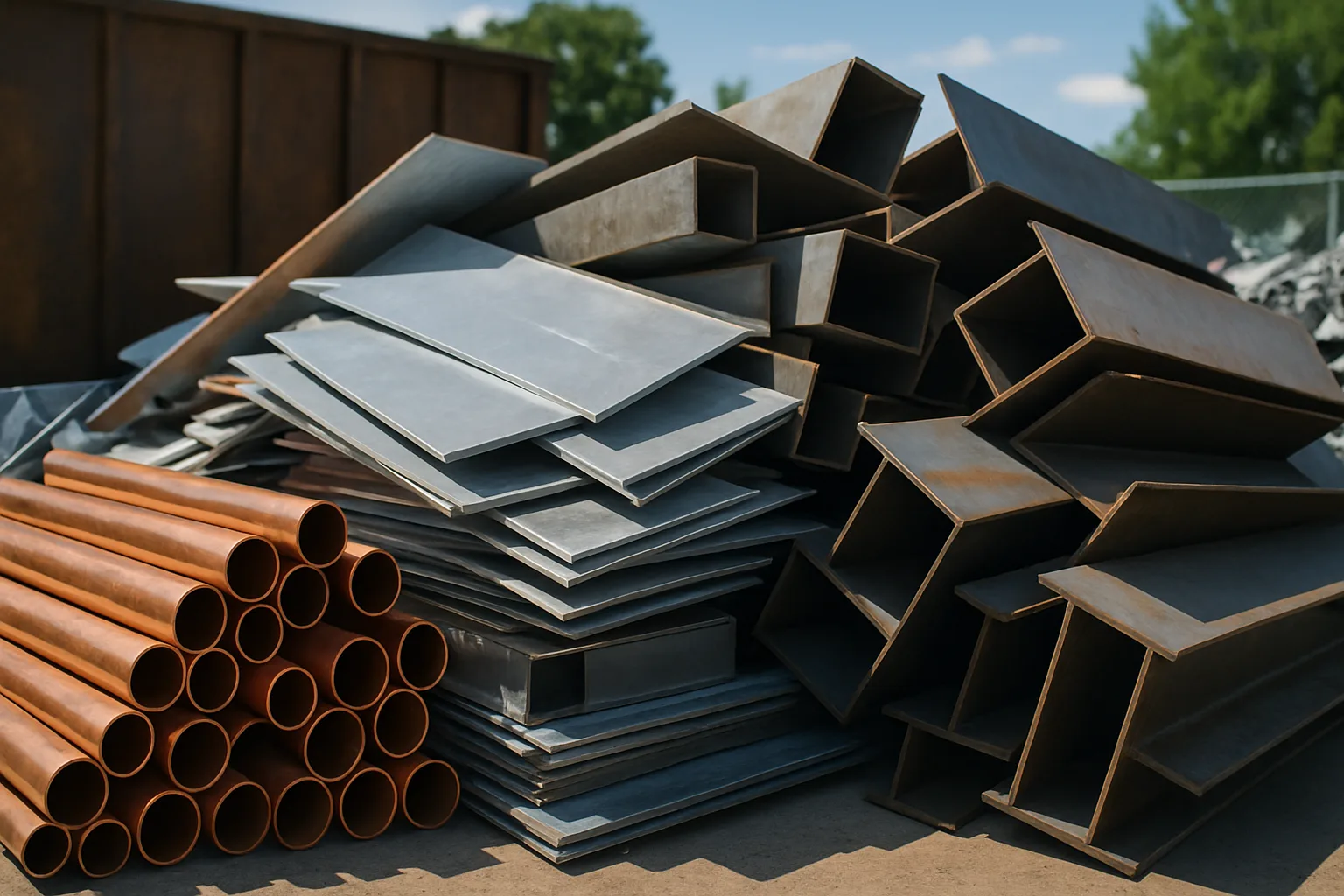
Steel vs. Iron Scrap: Why the Price Gap Matters When You Sell Scrap Metal in Grand Rapids
Most people toss steel and iron into the same mental bucket. They're both heavy, both gray, both magnetic — so what's the difference? A lot, actually. And if you're hauling a load to a yard in Grand Rapids without knowing which metal you have, you might be leaving real money on the table. Understanding the price gap between steel and iron scrap isn't just academic. It changes how you sort, how you quote, and how much you walk away with.
This isn't a metallurgy lecture. It's a practical breakdown of why these two metals price differently, how buyers and yards think about them, and what you can do to get the best return on your load — whether you're clearing a job site, scrapping equipment, or moving a pile that's been sitting in your lot since last winter.
Steel and Iron Aren't the Same Material — And the Market Knows It
Here's the core difference: iron has a higher carbon content than steel. Cast iron typically runs 2–4% carbon. Steel sits below 2%, often much lower. That sounds like a chemistry footnote, but it has real consequences at the mill level. Cast iron is brittle. It melts and processes differently. Steel is more versatile and more in demand across manufacturing, construction, and auto production.
Mills buy scrap to remelt and reuse it. When they're buying, they're paying for processability. Steel scrap — especially clean #1 or #2 prepared steel — is easier to work with, more consistent in output, and commands a premium over cast iron. Cast iron still has a market, but it's narrower and the price reflects that.
At most yards in Michigan, you'll see cast iron priced below steel by anywhere from a few dollars per hundred pounds to a more significant spread, depending on current scrap metal prices today and regional mill demand. That spread matters when you're moving hundreds or thousands of pounds.
How Grand Rapids Yards Grade Your Steel and Iron Load
Not all steel is created equal, and yards in Grand Rapids — like anywhere in the Midwest — use grading standards that directly affect what you get paid. Here's a quick breakdown of what you're likely to encounter:
- #1 Prepared Steel (Busheling): Clean, uncoated steel less than 18 inches in any dimension. Think factory punchings, clean sheet drops. This grades highest.
- #1 Heavy Melt (HMS 1): Heavier steel, at least ¼ inch thick, in manageable pieces. Common from demolition or equipment scrapping.
- #2 Heavy Melt (HMS 2): Thinner or mixed steel. Can include light gauge, may have some contamination. Prices slightly lower.
- Cast Iron: Old radiators, engine blocks, cookware, pipe. Dense but lower demand. Priced below most steel grades.
- Shredded Steel: Mixed auto-body steel, often processed through a shredder. Prices vary with the commodity market.
When you show up with a mixed load and let the yard sort it, they'll grade conservatively. That's not a scam — it's how margins work. But if you know what you have and separate it yourself, you take control of the conversation. Documented, sorted loads consistently get better treatment at the scale.
If you want a faster, more competitive process — especially for larger loads — the SMASH scrap metal auction marketplace puts your material in front of vetted buyers who bid against each other. More buyers means better price discovery. That's not a promise of higher prices — it's just how competition works.
Why Cast Iron Still Has Value (And When It's Worth More)
Don't write off cast iron completely. It has a steady industrial market, and in certain conditions, it can surprise you. Foundries — not just steel mills — buy cast iron specifically because the carbon content is actually what they need for certain castings. If you're near a foundry buyer or working with a platform that has access to specialty buyers, that same engine block that a general yard grades as low-tier cast might fetch a better price elsewhere.
This is where working with a broader network pays off. A single yard in Grand Rapids has its own buyer relationships and its own pricing logic. A competitive auction platform surfaces demand you didn't know existed. That difference matters most when you're moving specialty loads — not standard HMS steel that any mill will take.
Cast iron in good condition — radiators, heavy pipe, machine bases — can also appeal to architectural salvage buyers. That's outside the scrap world, but worth knowing if you have clean, intact pieces. Once it goes through a shredder, that premium disappears.
How Aluminum and Non-Ferrous Metals Fit Into Your Grand Rapids Load Strategy
While we're talking about price differences, it's worth addressing the elephant in the room: non-ferrous metals, especially aluminum and copper, pay dramatically more per pound than steel or iron. If your load is mixed, separating non-ferrous from ferrous before you go to the yard isn't optional — it's essential.
The aluminum scrap price today typically runs many times higher per pound than prepared steel. Copper is higher still. If you let a yard weigh a mixed load together, you lose the premium on every pound of aluminum or copper buried in your steel pile. Sort it. Bag it. Keep it separate. It takes time, but the math is always in your favor.
In Grand Rapids, like most Michigan markets, yards deal with a high volume of automotive scrap — aluminum wheels, wiring harnesses, radiators, copper-wound motors. These are priced on entirely different schedules than your ferrous materials. Knowing which pile is which before you load your truck is the single highest-leverage habit a scrapper can develop.
If you're new to sorting or not sure how to identify what you have, you can explore scrap metal selling guides on the GetMyScrap blog — practical, no-fluff breakdowns of how to identify, sort, and move metal for maximum return.
Documented Loads Move Faster and Price Better — Here's Why
There's an old yard mentality that goes: show up, weigh in, take what they offer. That still works for casual loads. But if you're a contractor, a fleet operator, or a business moving scrap regularly, documentation changes the dynamic entirely.
Buyers — especially those bidding through competitive platforms — price with confidence when they know exactly what's in the load. Photos of your material, a clear description of grades, weight estimates, and source documentation (BOLs, packing lists for larger commercial loads) all reduce buyer uncertainty. Reduced uncertainty typically translates to stronger bids.
Platforms like SMASH are built around this principle. Inventory tools, photo documentation, and serial tracking give buyers the information they need to bid aggressively instead of pricing in risk. If your load is documented well, you're not guessing what the market will pay — you're letting the market tell you. You can sell your scrap metal on GetMyScrap and connect with buyers who are ready to compete for your material.
For Grand Rapids businesses scrapping equipment, demo materials, or production offcuts regularly, setting up a simple documentation habit — even just photos and a written grade description — pays off every single time. It's not paperwork for its own sake. It's leverage.
Getting the Best Scrap Metal Prices in Grand Rapids: Practical Steps
Let's make this actionable. Whether you're scrapping one engine block or a full truckload of HMS steel, here's what actually moves the needle on your return:
- Know your metal before you load. Magnet test separates ferrous from non-ferrous. Cast iron is heavier and more brittle than steel. File marks show different textures. A few minutes of identification saves real money.
- Separate your grades. Don't mix cast iron with prepared steel. Don't mix aluminum with HMS. Each grade has a price, and mixing grades means you get paid for the lowest one.
- Check scrap metal prices near you before you go. Markets move. What a yard paid last month may not be what they pay today. Call ahead or check pricing before you load the truck.
- Document larger loads. Photos, weight estimates, and a clear description of what's in the load. Takes ten minutes. Pays consistently.
- Use competition to your advantage. One buyer, one price. Multiple buyers competing for your load is a different game entirely. Platforms that bring multiple vetted buyers to your material reveal what the market actually thinks it's worth.
- Don't forget about catalytic converters. If you're scrapping vehicles, cats are among the highest-value items on the car. Separate them, document them, and sell them with serial tracking when possible. The best price for catalytic converters comes from specialty buyers — not general yard flat rates.
Michigan scrappers who treat their material as a commodity business — not just a cleanup chore — consistently outperform those who don't. The habits are simple. The payoff compounds over time.
When you're ready to stop guessing and start getting real bids on your loads, get a fair price for your scrap today through GetMyScrap. No subscription. No runaround. Just competitive pricing on your material.
Frequently Asked Questions
Q: How do I know if I have cast iron or steel scrap?
Both are magnetic, so the magnet test won't separate them. Cast iron is typically heavier for its size, more brittle, and will snap or crack rather than bend. Steel bends before it breaks. Cast iron also has a rougher, grainier texture when cut or filed. Common cast iron items include engine blocks, old radiators, cookware, and heavy pipe.
Q: Why is cast iron priced lower than steel scrap?
Cast iron has a higher carbon content, which makes it more brittle and harder to process at steel mills. It has a narrower buyer base — primarily foundries rather than general steel mills. With fewer buyers competing for it, the price reflects lower demand. That said, specialty foundry buyers may offer better rates than a general yard for clean cast iron in volume.
Q: What are the best items to scrap for the highest return in Grand Rapids?
Non-ferrous metals — copper, aluminum, and brass — pay the most per pound. Within ferrous loads, clean #1 prepared steel and heavy melt grade highest. Catalytic converters from vehicles can carry significant value due to platinum group metals inside. Sorting your load by material and grade before arriving at the yard is the most reliable way to maximize your return.
Q: How do I sell scrap metal in Grand Rapids without getting lowballed?
Know your grades, sort your material, and don't rely on a single buyer. Getting multiple bids — through a competitive platform like SMASH — gives you a market-based price instead of one buyer's offer. Documentation (photos, descriptions, weight estimates) also helps buyers bid with confidence rather than pricing in uncertainty.
Q: Does the price of aluminum scrap change daily?
Yes. Aluminum scrap prices move with commodity markets, which fluctuate based on LME (London Metal Exchange) pricing, regional demand, and supply conditions. Always check current rates before hauling a load. Prices referenced in any article are general illustrations — verify current scrap metal prices with your yard or platform before selling.
Ready to stop leaving money on the table? Get a fair price for your scrap metal and request a pickup at getmyscrap.com — straightforward, competitive, and built for people who move real material.
Stay sharp on scrap metal markets and pricing trends — follow SMASH on LinkedIn for regular industry updates and commodity insights worth knowing.
```