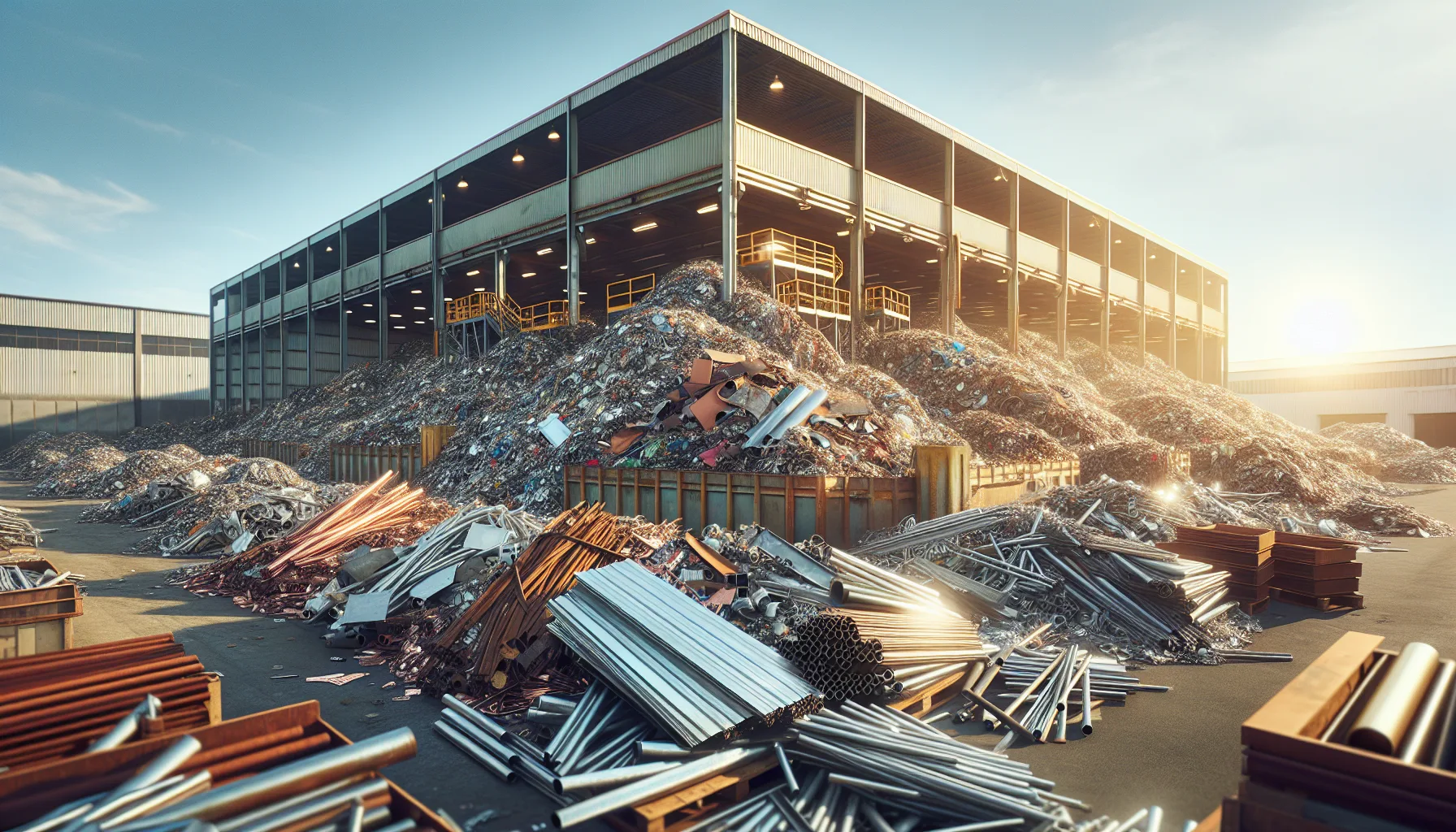
Many scrap sellers make the mistake of lumping steel and iron together when pricing their materials. This oversight costs them money. While these metals share similarities, understanding their distinct characteristics and market values can significantly boost your scrap metal earnings. Whether you're clearing out a Mesa construction site or sorting through your garage, knowing the difference between steel and iron scrap determines whether you maximize your profits or leave money on the table.
Steel and iron represent two of the most commonly recycled metals in Arizona's thriving scrap industry. Yet most people don't realize that steel typically commands higher prices than pure iron due to its enhanced properties and broader applications. Smart scrappers who sell your scrap metal on GetMyScrap learn to identify these materials correctly, separate them properly, and understand why buyers pay different rates for each.
Steel vs. Iron: What Makes Them Different
Iron forms the foundation of steel, but steel contains additional elements that transform its properties entirely. Pure iron, rarely found in everyday scrap, consists of nearly 100% iron with minimal impurities. Steel, on the other hand, combines iron with carbon and often includes other alloying elements like chromium, nickel, or manganese.
This fundamental difference creates distinct characteristics. Iron is softer, more malleable, and prone to rust quickly when exposed to moisture. Steel offers superior strength, durability, and corrosion resistance depending on its specific composition. These enhanced properties make steel more valuable in manufacturing applications, which directly impacts scrap prices.
Most scrap metal you encounter contains steel rather than pure iron. Car parts, appliances, construction materials, and industrial equipment typically feature various steel grades. Understanding this distinction helps you price your materials accurately and communicate effectively with scrap buyers in Mesa and throughout Arizona.
The magnetic test works for both materials, but additional identification methods help distinguish between them. Steel often appears shinier and cleaner, while iron may show more surface oxidation or a duller finish.
Current Market Prices: Steel Commands Premium Values
Steel consistently outperforms iron in scrap metal markets due to higher demand from manufacturers. Steel's versatility makes it essential for construction, automotive, and appliance industries, creating steady buyer competition that supports higher prices.
The price gap between steel and iron typically ranges from 10-30% depending on grades and market conditions. Heavy steel scrap, including structural beams and thick plates, often commands the highest prices within the ferrous category. Light steel from appliances or thin sheets usually falls in the middle range, while cast iron and wrought iron typically receive lower valuations.
Stainless steel represents the premium tier, earning significantly more than carbon steel or iron due to its chromium and nickel content. These alloying elements make stainless steel highly resistant to corrosion and extremely valuable for recycling.
Market dynamics influence these price relationships constantly. When construction activity increases in Arizona, steel demand rises and prices often follow. Global steel production, trade policies, and raw material costs all impact what scrap buyers pay for different iron and steel grades.
Identifying Steel and Iron in Your Scrap Collection
Proper identification starts with understanding common sources of each material. Steel dominates modern scrap collections through appliances, automotive parts, construction debris, and industrial equipment. Iron appears less frequently but shows up in older cast iron cookware, decorative items, and some vintage machinery components.
Visual inspection provides initial clues. Steel often displays a cleaner, more uniform appearance with consistent thickness and industrial manufacturing marks. Iron, particularly cast iron, may appear rougher with visible grain patterns or casting marks. Wrought iron shows distinctive fibrous textures and hand-forged characteristics.
The magnet test confirms ferrous content but doesn't distinguish between steel and iron specifically. Both materials attract magnets strongly, unlike aluminum or copper. However, you can use additional tests to differentiate them further.
Weight comparison helps separate materials. Cast iron feels notably heavier than steel of similar size due to its density. Steel components often incorporate hollow sections or thinner walls for weight reduction, while iron pieces tend toward solid, thick construction.
When sorting your scrap in Mesa, consider the source and age of materials. Items manufactured after 1950 almost certainly contain steel rather than pure iron. Vintage pieces, decorative items, and heavy industrial equipment from earlier eras may include more iron content.
Maximizing Value Through Proper Sorting and Preparation
Smart separation increases your total payout significantly. Scrap buyers pay different rates for various steel and iron grades, making proper sorting essential for maximum returns. Create separate piles for light steel, heavy steel, cast iron, and any stainless steel you identify.
Remove non-metal attachments before selling. Plastic handles, rubber gaskets, electrical components, and other materials reduce the value of your ferrous scrap. Clean steel and iron command higher prices than contaminated materials, so invest time in proper preparation.
Size matters in scrap pricing. Heavy, thick steel pieces often earn premium rates because they contain more metal per pound and cost less for buyers to process. Thin materials like sheet metal or wire may receive lower prices despite being steel.
Platforms like SMASH make it easy to compare offers from multiple buyers for your properly sorted materials. This competitive bidding environment ensures you receive fair market value for both your steel and iron scrap.
Consider quantity when planning your sales. Larger loads often qualify for better pricing tiers and may justify pickup services. If you're accumulating materials from multiple projects in Mesa, wait until you have substantial quantities before get a fair price for your scrap today.
Regional Factors Affecting Mesa Scrap Metal Values
Arizona's construction boom significantly impacts local steel and iron scrap markets. New residential developments, commercial projects, and infrastructure improvements generate steady steel demand, supporting strong prices for quality ferrous materials.
Mesa's strategic location provides access to multiple scrap buyers and processing facilities throughout the Phoenix metropolitan area. This buyer competition typically results in better prices compared to rural markets with limited options.
Transportation costs influence pricing structures throughout Arizona. Buyers factor shipping expenses to major steel mills when setting local rates. Mesa's proximity to major highways and rail connections helps minimize these costs, potentially improving your payouts.
Seasonal construction patterns affect demand cycles. Peak building seasons often coincide with stronger scrap prices as contractors seek steel supplies. Understanding these cycles helps you time your sales for optimal returns.
Local regulations regarding scrap metal transactions remain consistent throughout Arizona, but individual buyers may have specific requirements for documentation or minimum quantities. Research buyer policies before transport to ensure smooth transactions.
Working with Professional Scrap Metal Buyers
Experienced scrap buyers help you identify materials correctly and understand current market conditions. They can explain price differences between various steel and iron grades and suggest optimal timing for your sales.
Professional buyers often provide additional services like pickup, which saves you transportation costs and time. This convenience becomes particularly valuable for large quantities or heavy materials that challenge standard vehicle capacity.
SMASH connects sellers with verified professional buyers who compete for your materials. This competition ensures transparent pricing and eliminates guesswork about whether you're receiving fair value for your steel and iron scrap.
Establish relationships with reputable buyers for ongoing scrap metal transactions. Regular sellers often receive preferential pricing and first access to pickup scheduling during busy periods.
Document your transactions for tax purposes and maintain records of quantities and prices received. Professional buyers provide proper receipts and documentation required for business or personal tax reporting.
When you understand the distinct characteristics and market values of steel versus iron scrap, you transform from a casual seller into an informed participant in Arizona's robust scrap metal economy. This knowledge directly translates to better pricing and more profitable transactions. Whether you explore scrap metal selling guides for additional insights or work directly with buyers, proper material identification remains your foundation for success. Take advantage of competitive platforms where you can get competitive bids for your scrap metal to ensure you receive top dollar for both your steel and iron materials. Get a fair price for your scrap metal — request a pickup at getmyscrap.com and start maximizing your returns today.
Frequently Asked Questions
Q: How can I tell the difference between steel and iron scrap in Mesa?
Look for visual clues like surface finish and manufacturing marks. Steel typically appears cleaner and more uniform, while iron shows rougher textures or casting marks. Consider the age and source of materials, as items made after 1950 are almost certainly steel rather than pure iron.
Q: Why does steel scrap sell for more money than iron scrap?
Steel commands higher prices because of its enhanced properties and broader industrial applications. The carbon content and alloying elements in steel make it stronger and more versatile than pure iron, creating greater demand from manufacturers and recyclers.
Q: What's the best way to prepare steel and iron scrap for selling in Arizona?
Sort materials by type and grade, remove non-metal attachments like plastic or rubber, and clean off excessive dirt or debris. Separate heavy steel from light steel, and identify any stainless steel pieces which earn premium prices.
Q: Should I sell my steel and iron scrap separately or together?
Always separate different grades when possible. Steel typically earns higher prices than iron, and different steel grades command varying rates. Proper sorting ensures you receive appropriate pricing for each material type rather than the lowest common denominator.
Q: How do Mesa scrap metal prices compare to other Arizona cities?
Mesa's proximity to major transportation routes and multiple competing buyers typically results in competitive pricing. The Phoenix metropolitan area's active construction market also supports strong demand for steel and iron scrap, often leading to better rates than rural Arizona locations.
Follow SMASH on LinkedIn for the latest industry updates and scrap metal market insights.