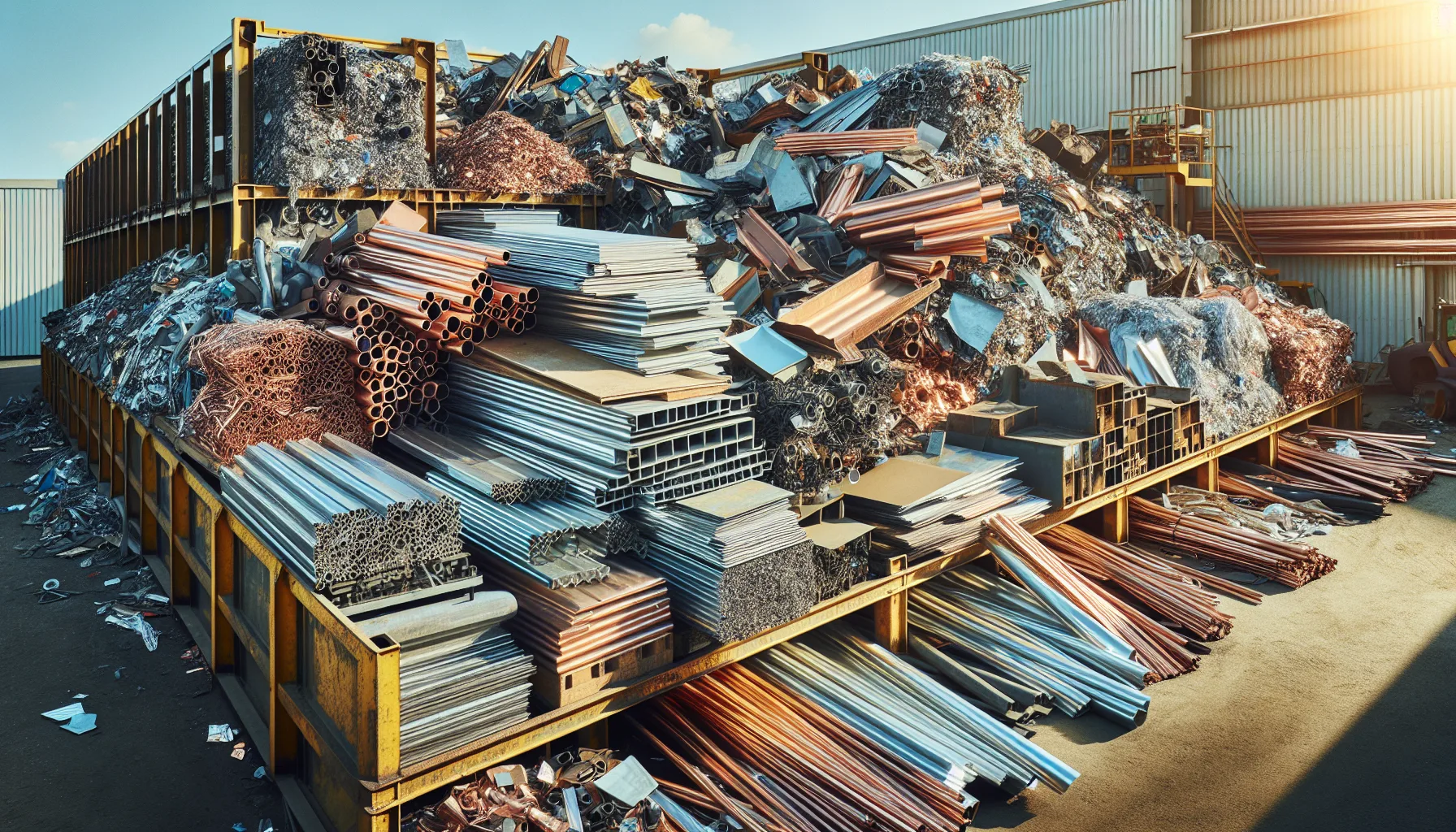
A Miami contractor recently discovered his decades-old assumption about steel and iron scrap was costing him thousands annually. Like many sellers, he treated all ferrous metals the same when pricing loads for scrap metal prices Miami buyers. The revelation? Steel scrap commanded 15-20% higher prices than iron scrap at local yards. This price gap isn't unique to Miami — it reflects fundamental differences in metal composition, processing costs, and market demand across the scrap metal recycling industry.
Understanding the distinction between steel and iron scrap can dramatically impact your bottom line. While both metals share similar magnetic properties and appearance, their chemical composition and market value differ significantly. Steel contains carbon and other alloy elements that make it more valuable to processors and end users.
For sellers navigating scrap metal recycling Florida markets, this knowledge translates directly to profit. Platforms like SMASH help sellers identify these distinctions and connect with buyers who pay fair market rates based on precise metal classifications. The difference between getting iron prices and steel prices can mean hundreds or thousands of dollars on larger loads.
Steel vs Iron: The Chemical and Market Differences
Pure iron rarely exists in scrap form. Most "iron" scrap actually contains steel components or cast iron with varying carbon content. Steel contains 0.2% to 2.1% carbon, plus other alloy elements like chromium, nickel, or molybdenum depending on the grade. These additions enhance strength, corrosion resistance, and workability — making steel more valuable than basic iron.
Cast iron contains 2% to 4% carbon, making it harder but more brittle than steel. While valuable for specific applications, cast iron typically commands lower prices than most steel grades. The carbon content affects how the metal behaves during recycling and what products can be manufactured from the recycled material.
Market demand drives the price differential. Steel recyclers can produce high-grade products for construction, automotive, and manufacturing industries. The versatility of steel scrap makes it consistently valuable. Iron scrap, particularly cast iron, has more limited applications, affecting its market value.
Identification becomes crucial for pricing. Steel typically sounds higher-pitched when struck, while cast iron produces a duller tone. Steel also tends to be less brittle and won't shatter like cast iron when dropped. These simple field tests help sellers distinguish between materials before heading to the scrap yard.
Real-World Case Study: Miami Construction Company Maximizes Steel Scrap Revenue
Rodriguez Construction in Miami discovered significant revenue potential by properly sorting their ferrous scrap in 2026. Previously, the company's demolition crews threw all magnetic metals into a single container, receiving basic iron prices for their loads. After implementing proper sorting protocols, their monthly scrap revenue increased by $3,200.
The breakthrough came when the company's site manager noticed structural steel beams commanding higher prices than cast iron pipes at local yards. Working with SMASH, Rodriguez Construction learned to identify different ferrous metals and sort them accordingly. Structural steel, rebar, and sheet metal went into separate containers from cast iron fixtures and old radiators.
Their sorting system became surprisingly simple. Demolition crews used magnet tests to confirm ferrous content, then applied basic identification techniques. Structural steel from buildings built after 1970 typically qualified for steel pricing. Cast iron fixtures, old plumbing, and decorative elements went into a separate category.
Within three months, Rodriguez Construction's average price per ton increased from $180 to $245 for their ferrous scrap. The company also discovered that timing sales with market peaks — tracked through SMASH's market insights — could add another 10-15% to their revenue.
The case study highlights how proper identification and sorting transforms scrap metal operations. Instead of accepting bulk ferrous pricing, the company maximized value by understanding material distinctions and working with buyers who recognized quality differences.
Price Factors That Affect Steel and Iron Scrap Values
Market conditions significantly impact the price spread between steel and iron scrap. During strong construction periods, structural steel scrap sees premium pricing due to high demand for recycled content in new projects. Economic downturns typically compress the price gap as overall demand softens.
Contamination levels heavily influence pricing for both materials. Clean steel scrap free of attachments, paint, or other metals commands top prices. Mixed loads with rubber, plastic, or non-ferrous attachments face significant price penalties. Cast iron contaminated with sand casting residue or heavy rust also sees reduced valuations.
Processing requirements affect buyer pricing strategies. Steel scrap often requires less intensive processing than cast iron, which may need additional steps to remove impurities. This processing difference translates to price variations between the materials.
Geographic factors influence local pricing dynamics. Scrap metal prices Miami reflect proximity to major steel mills and processing facilities. Florida's position as a major construction market also affects demand for recycled steel products. Areas with active construction markets typically see stronger steel scrap pricing.
Grade specifications within each category create additional pricing tiers. High-grade structural steel commands premium prices, while lower-grade mixed steel brings moderate returns. Similarly, clean cast iron receives better pricing than mixed or contaminated loads.
Identifying Steel vs Iron Scrap for Maximum Value
Visual inspection provides the first clue to material type. Steel typically appears cleaner with smoother surfaces, while cast iron often shows rough, grainy textures from the casting process. Steel components tend to have welded joints, while cast iron pieces may show mold lines or casting marks.
The spark test offers definitive identification when cutting or grinding. Steel produces bright white sparks with long tails and star patterns. Cast iron creates shorter, darker orange sparks with fewer branching patterns. This test requires proper safety equipment but provides immediate material identification.
Age and source help determine material type. Items manufactured after 1950 are more likely to be steel rather than cast iron. Structural components, automotive parts, and appliance bodies typically contain steel. Decorative elements, old pipes, and engine blocks more commonly contain cast iron.
Weight differences can indicate material composition. Cast iron feels significantly heavier than steel of similar size due to higher density. This weight test works especially well when comparing similar-sized pieces from the same era.
Magnetic strength varies between materials. While both steel and iron attract magnets, the magnetic pull feels slightly different. Steel typically shows stronger magnetic attraction than cast iron, though this test requires experience to detect subtle differences.
Market Timing and Price Optimization Strategies
Seasonal patterns affect steel and iron scrap pricing differently. Steel scrap often peaks during spring construction seasons when new building projects increase recycled content demand. Iron scrap shows less seasonal variation but can benefit from industrial demand cycles.
Economic indicators help predict price movements for both materials. Steel scrap correlates strongly with construction activity, automotive production, and infrastructure spending. Iron scrap pricing follows similar patterns but with less volatility due to lower overall demand.
Inventory management becomes crucial for maximizing returns. Holding quality steel scrap during market lows can pay significant dividends during price recovery periods. However, storage costs and capital tie-up must factor into timing decisions.
Multiple buyer relationships provide pricing flexibility. Different processors may specialize in specific steel grades or have varying iron scrap needs. Working with platforms like SMASH connects sellers to diverse buyer networks, ensuring competitive pricing for both material types.
Market intelligence helps optimize selling decisions. Tracking copper scrap price today and other metal indicators provides insight into overall market conditions. When copper prices rise, steel and iron often follow due to increased construction and manufacturing activity.
Maximizing Profits Through Proper Material Classification
Documentation enhances material value and buyer confidence. Maintaining records of material sources, ages, and compositions helps justify premium pricing for quality steel scrap. Buyers pay more for materials with known histories and guaranteed compositions.
Volume considerations affect pricing strategies. Large loads of sorted steel scrap often command better per-ton rates than small mixed loads. Accumulating sufficient volume of each material type before selling maximizes pricing power with buyers.
Quality control throughout collection and storage preserves material value. Protecting steel scrap from excessive rust and contamination maintains its premium pricing potential. Proper storage also prevents mixing of different material types.
Buyer education sometimes improves pricing outcomes. Explaining material sources, processing history, and quality attributes helps buyers understand value propositions. This approach works particularly well for specialized steel alloys or clean iron scrap.
Partnership development with reliable buyers creates long-term value. Establishing relationships with processors who appreciate quality differences ensures consistent premium pricing for properly sorted materials. These partnerships become especially valuable during volatile market periods.
The steel versus iron scrap price differential represents real money for informed sellers. Understanding these differences, implementing proper sorting practices, and timing sales appropriately can significantly increase scrap metal revenues. Whether you're a contractor in Miami managing demolition materials or a business owner dealing with industrial scrap, taking time to distinguish between steel and iron pays immediate dividends.
Ready to maximize your ferrous scrap value? Sell your scrap metal on GetMyScrap and connect with buyers who understand material quality differences. For comprehensive market insights and buyer connections, explore scrap metal selling guides and stay informed about pricing trends. Professional platforms like smashscrap.com make it easy to find qualified buyers and get a fair price for your scrap today. Get a fair price for your scrap metal — request a pickup at getmyscrap.com.
Frequently Asked Questions
Q: How much more valuable is steel scrap compared to iron scrap in Miami?
Steel scrap typically commands 15-25% higher prices than iron scrap in Miami markets. The exact differential depends on current market conditions, material quality, and specific grade classifications. Clean structural steel often brings the highest premiums over basic iron pricing.
Q: Can I test steel versus iron scrap without special equipment?
Yes, several simple field tests distinguish steel from iron scrap. The sound test works well — steel rings with a higher pitch when struck, while iron produces a duller sound. Steel also tends to be less brittle and shows smoother surface textures compared to cast iron's grainy appearance.
Q: What affects scrap metal prices Miami more — material type or market timing?
Both factors significantly impact pricing, but material type provides more consistent value differences. Proper steel versus iron identification typically yields 15-25% price improvements regardless of market conditions. However, timing sales during market peaks can add another 10-20% to returns.
Q: Should I sort small amounts of steel and iron scrap separately?
For loads under 500 pounds, sorting costs may exceed price benefits unless you have premium steel grades. However, even small loads benefit from removing obvious contaminants and separating clearly different materials. Consider accumulating larger volumes before selling to maximize sorting benefits.
Q: How do Florida's scrap metal recycling markets compare to other states for steel pricing?
Florida's active construction market and proximity to steel processing facilities generally support competitive steel scrap pricing. The state's year-round building activity creates consistent demand for recycled steel content, often resulting in more stable pricing compared to regions with seasonal construction patterns.
Follow SMASH on LinkedIn for industry updates and scrap metal market insights.