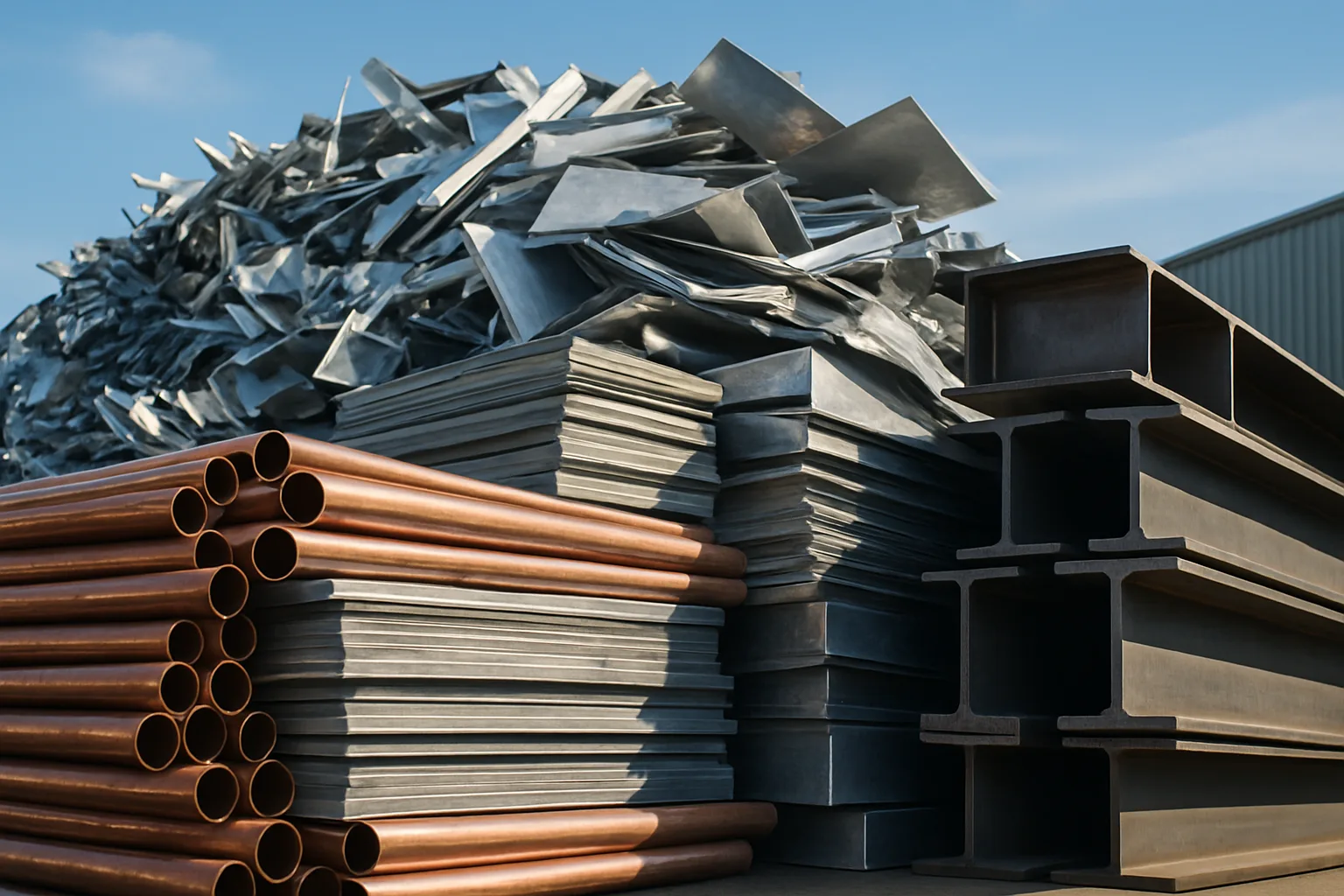
Why Scrap Metal Safety Is the Most Overlooked Part of Getting Paid
Most collectors focus on the aluminum scrap price today before they think about anything else. That makes sense — you want to know what your haul is worth. But if you're regularly handling sheet aluminum, copper pipe, steel beams, or catalytic converters, the gear you wear and the habits you build matter just as much as the price per pound. One bad cut, one dropped load, one lungful of dust from a corroded piece of metal — and the money you made that day stops mattering.
This guide is for collectors, yard workers, and small operators across Chicago and the rest of Illinois who want to do this right. Protect yourself first. Then get paid.
The Basics: Protective Gear Every Scrap Collector Needs
There's no complicated list here. You don't need a full hazmat suit to collect aluminum, copper, or steel. But you do need the right basics — worn consistently, not just when you remember.
Start with these non-negotiables:
- Cut-resistant gloves. Standard work gloves aren't enough when you're handling sheared steel, snapped rebar, or stripped copper. Look for ANSI A4 or A6 cut-resistance rating. Sheet aluminum edges are sharper than they look, especially on older HVAC scrap.
- Steel-toed boots. A dropped load of cast iron or a stack of catalytic converters will end your day fast without them. Non-slip soles matter too — scrap yards and job sites are often wet and uneven.
- Safety glasses or impact goggles. Metal fragments, rust flakes, and debris move fast when you're breaking down material. A face shield is better if you're cutting or grinding.
- Respirator or N95 mask. Old electronics, leaded solder, cadmium-plated metals, and corroded battery components all off-gas or create fine particulates. Don't breathe that in. A basic N95 handles most situations; upgrade to a half-face respirator with organic vapor cartridges if you're handling batteries or wire with insulation burning.
- High-visibility vest. If you're working roadside pickups or active job sites in Chicago or anywhere in Illinois, be visible. Drivers don't expect someone crouching behind a dumpster load of steel.
None of this gear is expensive relative to the cost of an ER visit. Buy quality once. Wear it every time.
Handling Specific Materials: What Changes by Metal Type
Not all scrap carries the same risk profile. The way you handle copper differs from the way you handle a load of stainless steel or a box of catalytic converters. Knowing the difference keeps you safe and protects the value of what you're selling — damaged or contaminated material can affect the best scrap metal prices you're able to get.
Aluminum
Aluminum is one of the most common materials collectors bring in, and it's generally lower-risk than ferrous metals. The main hazards are edge cuts from sheet stock and dust exposure if you're grinding or cutting. Extrusion scrap and old window frames often have paint or anodizing coatings — don't burn them off. That releases toxic fumes. Strip what you can mechanically or leave the coating on and disclose it to the buyer.
Copper
Copper pipe, wire, and fittings are high-value and worth protecting. Beyond physical hazards, old copper plumbing can carry lead solder at joints — wash your hands before eating or touching your face. Bare bright copper is the top-grade material; insulated wire drops in value because of the plastic jacket. Don't burn wire — it's illegal in Illinois and most jurisdictions, and it's genuinely dangerous to breathe.
Catalytic Converters
Cats are dense, heavy, and sometimes contaminated with exhaust residue. When you're cutting converters off vehicles, protect your eyes from the undercarriage debris. The ceramic substrate inside can produce fine silica dust if a converter is cracked or broken — wear your respirator. Store them in a ventilated area, not inside a vehicle cab. If you want to sell your scrap catalytic converters and get the best price for catalytic converters, documentation matters — VIN tracking and photo documentation help buyers bid with confidence, which is exactly what platforms like the SMASH scrap metal auction marketplace are built around.
Ferrous Metal and Steel
Heavy steel and iron carry the most serious crush and laceration risks. Always use proper lifting technique — or mechanical assistance — for anything over 50 lbs. Rusty steel is particularly nasty for cuts, and tetanus is a real risk if your vaccinations aren't current. Check that. It takes five minutes and one shot.
Loading, Hauling, and Site Safety Best Practices
Getting the material off the ground is only half the job. How you load and haul it determines whether you arrive at the yard in one piece — and whether your load is intact and presentable when you get there. Sloppy loads mean rejected material or price adjustments at the scale.
Follow these practices every time:
- Secure your load. Loose scrap in an open truck bed is a road hazard and a legal liability in Illinois. Use straps, tarps, or tie-downs. If you're running through Chicago on the expressway, an unsecured load can cause serious accidents and will get you cited.
- Segregate by material. Don't mix copper and aluminum in the same bin if you want to be paid for each at full rate. Contaminated loads downgrade faster than you think. Use separate containers or clearly divided sections.
- Keep a basic first aid kit in your vehicle. Cuts happen. A simple kit — gauze, antiseptic wipes, bandages, medical tape — handles most minor field injuries without requiring a stop at urgent care.
- Don't overload your vehicle. Know your truck's payload rating. A half-ton truck loaded with cast iron can blow tires, damage suspension, and handle dangerously. It's also an easy ticket if you're pulled over.
- Photograph your load before you go. This protects you in disputes, helps with price verification, and documents what you brought in. Buyers on platforms like SMASH rely on photo documentation to bid competitively on loads — better photos lead to better price discovery.
If you're running Chicago scrap metal services regularly — whether you're an independent collector or a small operation — building these habits into your routine saves you time and money long-term.
Environmental and Legal Considerations for Illinois Collectors
Illinois has specific regulations around scrap metal collection and recycling. They're not complicated, but ignoring them creates real problems. The state requires scrap dealers to maintain records of transactions — seller ID, material description, and weight — for metals like copper wire, aluminum, and catalytic converters. If you're selling frequently, understand the documentation requirements at your local yard.
Theft of metal is a serious issue in Chicago and across Illinois, and law enforcement tracks secondary scrap metal transactions. Legitimate sellers benefit from clean documentation — it protects you and speeds up the transaction. It also signals to buyers that your material is above-board, which matters when you're trying to get the best scrap metal prices in Illinois.
Environmental responsibility matters here too. Don't dump non-sellable material on roadsides or vacant lots — that's illegal and contributes to the kind of blight that hurts the communities where collectors work. Proper disposal of hazardous components (batteries, mercury switches, refrigerant) is required. Most yards in the Chicago area can direct you to proper disposal partners.
Turning Safe Habits Into Better Prices: How SMASH Helps You Get More
Here's the connection most collectors miss: the way you handle and document your material directly affects the price you get. Buyers want to know what they're bidding on. Clean, sorted, well-photographed loads with accurate descriptions pull better offers than mystery bins with mixed material and no photos.
That's the logic behind platforms like SMASH. When you sell your scrap metal on GetMyScrap or move loads through the SMASH scrap metal auction marketplace, you're putting your material in front of multiple vetted buyers at once. More buyers means better price discovery. The aluminum scrap price today might be posted on a dozen websites, but what you actually get depends on competition — and competition requires documented, credible inventory.
Safe practices and good documentation aren't separate from pricing. They're part of the same discipline. Explore scrap metal selling guides to go deeper on how to prep and list material for the best results.
When you're ready to move your next load — aluminum, copper, cats, or mixed ferrous — get a fair price for your scrap today. If you're in the Chicago area and want local service with real market access, request a pickup at getmyscrap.com and let the buyers compete for your material.
Frequently Asked Questions
Q: What's the aluminum scrap price today in Chicago?
Aluminum prices fluctuate daily based on commodity market conditions, grade, and local demand. Common grades like clean sheet aluminum, extrusions, and cast differ in value — cast typically pays less per pound than clean sheet or bare wire. Always check current rates directly with your yard or through a platform like SMASH before hauling. Disclaimer: Scrap metal prices change frequently. Verify current pricing before selling.
Q: What gear do I actually need to safely collect scrap metal?
At minimum: cut-resistant gloves (ANSI A4 or higher), steel-toed boots, safety glasses, and an N95 respirator for dusty or contaminated material. If you're cutting or grinding, add a face shield. If you're working roadside or on active sites in Chicago, wear a hi-vis vest. The investment is small relative to the cost of an injury.
Q: Is it legal to sell scrap metal for cash in Illinois?
Yes, but Illinois scrap dealers are required to record seller information and material details for regulated metals including copper wire and catalytic converters. Sellers should bring valid ID. Documentation protects you legally and makes the transaction faster. Burning wire or stripping insulation through burning is illegal and creates hazardous emissions.
Q: How do I get the best scrap metal prices near me in Chicago?
The best prices come from competition, not loyalty. Calling one yard and accepting their offer is the slowest path to fair value. Sort your material by grade, document it with photos, and use a platform like SMASH to put your load in front of multiple vetted buyers at once. More buyers bidding means better price discovery.
Q: Can I sell scrap metal online instead of driving to a yard?
Yes. Platforms designed for scrap metal — like SMASH — let you list loads, upload photos, and receive bids from buyers across North America. This is especially useful for larger loads, non-ferrous material like copper and aluminum, or catalytic converters where pricing can vary significantly by buyer. You handle logistics once the best offer is accepted.
Follow SMASH on LinkedIn at linkedin.com/company/scrap-metal-auction-sales-hub for scrap metal market updates, industry insights, and pricing trends across North America.