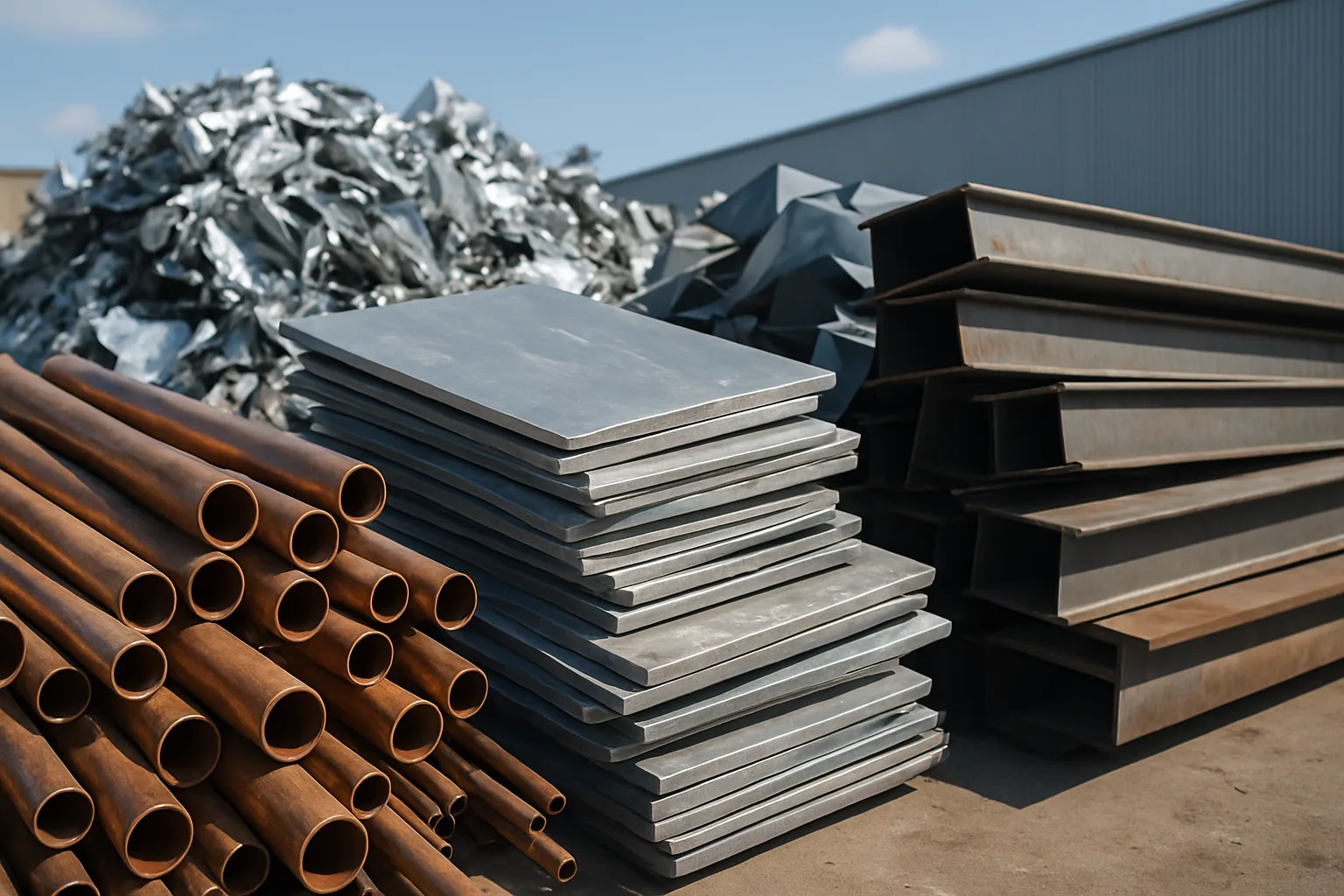
Most people leave serious money on the table when they sell scrap. They take whatever the single buyer at the end of the block offers — no comparison, no competition, no clue if they got a fair deal. If you're sitting on copper wire, aluminum extrusions, or a box of catalytic converters, knowing which metals pay the most changes everything. Here's a straight breakdown of the most profitable scrap metals to collect right now, what drives their value, and how to make sure you're not giving your material away.
Why Metal Type Determines How Much You Walk Away With
Not all scrap is created equal. A pickup truck full of shredded steel pays a fraction of what the same truck loaded with clean copper would fetch. The difference comes down to commodity demand, processing costs, and how rare or useful the metal is in manufacturing. Understanding the hierarchy of scrap metal value helps you prioritize what you collect, sort, and sell.
The aluminum scrap price today, for example, fluctuates based on global demand from automotive manufacturers, packaging producers, and construction supply chains. Copper tracks closely with electrical infrastructure buildouts and EV production surges. Steel and iron are always in demand but command lower per-pound rates because they're far more abundant. Knowing this before you haul a load saves you time and fuel.
The Highest-Value Scrap Metals Ranked
Here's how the most profitable scrap metals generally stack up, from highest to lowest per-pound payout. Prices shift constantly, so treat these as a framework rather than a fixed price sheet.
1. Copper
Copper consistently sits at the top. Bare bright copper wire — the cleanest grade — commands the highest rates at most yards. Copper pipe, motors, and transformers also pay well, though at slightly lower grades depending on insulation and contamination. The EV buildout and grid modernization projects accelerating through 2026 have kept copper demand elevated. If you're stripping wire or pulling plumbing from a demo site, this is the material to prioritize.
- Bare bright copper: Highest grade, highest pay
- Copper pipe (clean): Strong value, widely available
- Copper motors/transformers: Lower grade but still worth separating
- Insulated wire: Value drops depending on insulation percentage
2. Catalytic Converters
Catalytic converters are the wildcards of the scrap world. They contain platinum group metals — platinum, palladium, and rhodium — and the value per unit can range dramatically depending on the vehicle make, model, and the PGM content inside. If you're asking where to get the best price for catalytic converters, the answer is never a single buyer quoting you off the top of their head.
Platforms like the SMASH scrap metal auction marketplace exist precisely for this reason. A cat that one buyer quotes you at a low number might generate real competition when multiple vetted buyers see it with a photo, serial number, and accurate description. If you want to sell my scrap catalytic converters at a number that reflects actual market value, documented inventory and buyer competition are how you get there.
3. Aluminum
Aluminum is the volume play for most collectors and contractors. It's everywhere — window frames, automotive parts, cast wheels, extrusions, siding — and the aluminum scrap price today holds steady enough to make consistent loads worthwhile. Clean cast aluminum and extruded aluminum pay more than painted or mixed grades. Aluminum cans pay the least per pound in the aluminum category, but high volume can still add up.
In Austin, the construction and renovation sector keeps aluminum extrusion and framing material moving constantly. Demo jobs, HVAC teardowns, and commercial fit-outs generate significant aluminum that yards in Texas want. Sort your material before you haul — mixed loads get averaged down, and that costs you money.
4. Stainless Steel
Stainless steel pays significantly more than standard steel because of its nickel and chromium content. Restaurant equipment, food-grade piping, and industrial components are common sources. The grade matters — 304 and 316 stainless pay differently. If you're pulling from a commercial kitchen teardown or a processing facility, weigh your stainless separately and know what grade you have before quoting a price.
5. Brass
Brass is a solid earner that often gets overlooked. Plumbing fittings, valves, shell casings, and musical instruments all qualify. Yellow brass pays well; red brass (higher copper content) pays more. Plumbers, HVAC contractors, and demolition crews are sitting on brass regularly without realizing its value.
6. Steel and Iron
Steel and iron are the foundation of most scrap yards' volume — but they pay the least per pound. That doesn't mean they're worthless. Heavy structural steel, beams, and plate steel add up fast by weight. If you're dealing in large volumes, steel makes sense. For small loads, it's rarely worth the haul cost unless you're already making a trip for higher-value materials.
Best Scrap Metal Prices in Austin: What Texas Yards Are Buying
Austin's growth trajectory keeps scrap generation high. Construction, demolition, and commercial renovations across Travis County and surrounding areas produce consistent material flows. Local yards compete for quality loads, especially non-ferrous material — aluminum, copper, and brass move fast when it's sorted and clean.
If you're looking for the best scrap metal prices Austin has to offer, the approach matters as much as the material. Showing up with unsorted, contaminated loads gives the buyer leverage to grade everything down. Showing up with clean, separated material — properly documented — puts you in a stronger position. For larger loads or specialty material like cats, skip the single-buyer approach entirely.
Exploring Austin scrap metal services through GetMyScrap connects you with options built around getting you a fair number — not just a fast one. That distinction matters when you're dealing with volume or high-value material.
Texas-wide, the regulatory environment in 2026 continues to tighten around catalytic converter transactions. Documentation requirements for cats have expanded across most counties, including Travis. If you're selling converters, make sure you're working with buyers who operate within compliance frameworks. It protects you and your business.
How to Maximize What You Get When You Sell Scrap Metal Online
The single biggest mistake scrap sellers make is accepting the first number they hear. One phone call to one buyer isn't a market — it's a guess, and usually not in your favor. When you sell scrap metal online, you open your load to multiple buyers simultaneously. That's how price discovery actually works.
When you sell your scrap metal on GetMyScrap, the process is built around documentation and competition — not just convenience. Photo your material. Separate your grades. Know the weight, or get a reliable estimate. The more clearly you can describe what you have, the more confident buyers bid.
SMASH takes this further for commercial sellers dealing in larger loads, specialty material, or cats. Vetted buyers, auction-format pricing, serial tracking for converters, and auto-invoicing remove the guesswork from the transaction. No subscription fees. The platform only earns when the seller does. That's the alignment you want when you're moving material that actually has value.
Here's what strong documentation looks like for high-value loads:
- Clear photos from multiple angles
- Weight or volume estimate
- Grade separation (clean vs. mixed)
- Serial numbers for catalytic converters
- VIN documentation where applicable for automotive scrap
- Packing list for large or multi-item loads
Collecting Strategy: What to Source and Where
If you're building a scrap collection business or just trying to make consistent money on the side, your sourcing strategy determines your margins. High-value metals don't just appear — you need to know where to look.
Copper: HVAC contractors, electricians, plumbers, demolition crews, and old appliance stripping. Build relationships with trades people who generate copper regularly.
Catalytic converters: Auto repair shops, used car dealers, fleet operators, and salvage yards. Know your compliance obligations in Texas before you start purchasing cats for resale.
Aluminum: Construction sites, renovation contractors, window installers, and automotive parts suppliers. In Austin's active construction market, this is one of the easiest materials to source consistently.
Brass and stainless: Commercial kitchen equipment suppliers, plumbing wholesalers, and industrial decommissioning projects. Less common but high value per pound when you find it.
Consistency matters more than luck in this business. The collectors who make the most aren't finding hidden caches — they're building reliable supply relationships with businesses that generate scrap regularly and don't want the hassle of dealing with it themselves.
Sell Smart: Get a Fair Price, Not Just a Fast One
The aluminum scrap price today, copper rates, and cat values all change with the commodity market — sometimes week to week. Locking in on a number from a single yard without checking your options is how you leave money behind. Whether you're a one-time seller cleaning out a shop or a commercial operation moving loads every week, the same principle applies: competition reveals the market, and the market is usually better than what one buyer volunteers.
If you're ready to stop guessing and start getting real numbers for your material, get a fair price for your scrap today through GetMyScrap. For commercial sellers who want auction-format buyer competition on high-value loads, SMASH brings that infrastructure to the table without a subscription fee eating into your margin.
When you're ready to move material — copper, aluminum, cats, or a mixed load — request a pickup at getmyscrap.com and find out what your scrap is actually worth in today's market.
For ongoing scrap metal market insights, price trends, and industry updates, follow SMASH on LinkedIn — it's the fastest way to stay current on what's moving and what it's paying.
Frequently Asked Questions
Q: What is the aluminum scrap price today in Austin, Texas?
Aluminum scrap prices fluctuate daily based on commodity markets and local yard demand. Clean extruded aluminum and cast aluminum command higher rates than mixed or painted material. Always check current rates directly with a buyer or platform before hauling — the number changes regularly. Prices listed anywhere online are estimates only; confirm current pricing before you sell.
Q: Where can I find the best scrap metal prices in Austin?
The best scrap metal prices in Austin come from buyer competition, not a single phone call. Sorting your material by grade, documenting it with photos, and presenting it to multiple buyers — either in person at competing yards or through an online platform — gives you the best shot at market-rate pricing. Services like GetMyScrap and SMASH are built around that principle.
Q: Is it worth selling small amounts of scrap metal, or do I need a full load?
Small loads of high-value material — copper, brass, or stainless — can still be worth hauling because the per-pound rates are high enough to justify it. For lower-value metals like steel or iron, small loads rarely cover haul costs. Consolidate until you have meaningful weight, or combine a small high-value load with a scheduled pickup to make the trip efficient.
Q: What documents do I need to sell catalytic converters in Texas?
Texas has expanded documentation requirements for catalytic converter transactions in 2026. Sellers typically need to provide ID, vehicle information, and proof of ownership or business documentation. Requirements vary by county and buyer — always confirm with your buyer before the transaction, and work only with compliant buyers who have proper documentation processes in place.
Q: Can I sell scrap metal online instead of driving to a yard?
Yes — and for high-value loads, online platforms often deliver better results than a single yard visit. When you sell scrap metal online through a platform like SMASH or GetMyScrap, your material is exposed to multiple vetted buyers who compete on price. That competition can reveal what your load is actually worth, rather than what one buyer decides to offer.