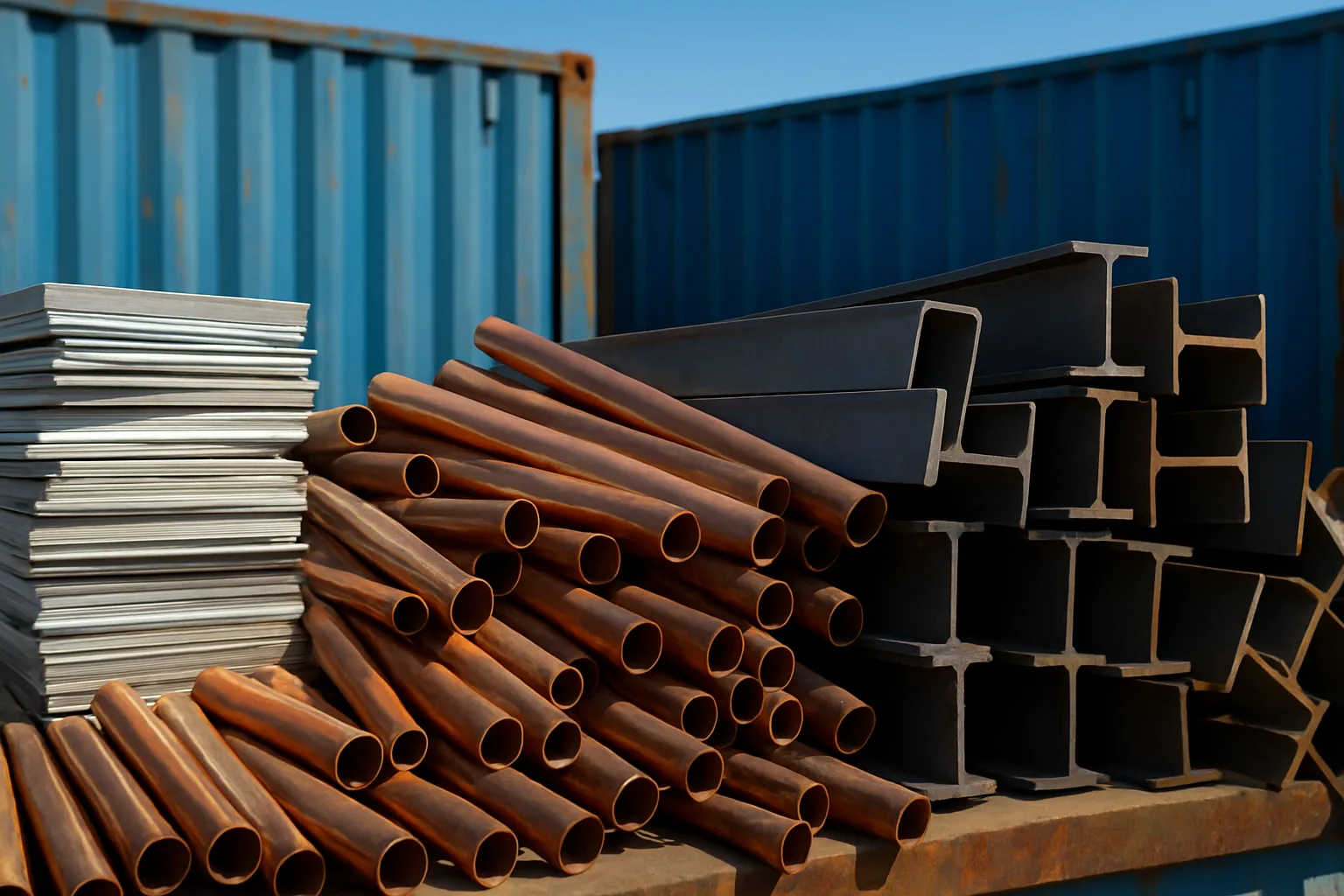
You've got a pile of mixed metal sitting in your garage, your shop, or out back behind the yard. Some of it's shiny. Some of it's dull. And you have no idea what's worth real money and what's just bulk iron. Here's the thing — the difference between copper and aluminum alone can mean hundreds of dollars on a single load. Knowing what you have before you walk into a scrap yard near me open on a busy Saturday morning changes everything.
This guide breaks down how to identify common scrap metals using two simple methods: a visual inspection and a basic magnet test. No lab equipment. No guesswork. Just practical knowledge that helps you sort smarter, price smarter, and sell smarter — whether you're hauling a few pipes or a full truckload.
And if you want to make sure you're getting a fair return on what you've got, sell your scrap metal on GetMyScrap — competitive buying backed by the kind of price discovery that single-buyer phone calls never deliver.
Why Metal Identification Matters for Scrap Pricing
The copper scrap price today sits in a completely different tier than aluminum or steel. We're talking about a spread that can be dramatic — copper regularly trades at multiples of what you'd get for the same weight in mixed aluminum or light iron. If you're dumping everything into one pile and calling it "miscellaneous metal," you're almost certainly leaving money on the table.
Scrap yards price by grade and by metal type. Mixed loads get priced conservatively — the yard assumes the worst-case composition. When you show up sorted, documented, and knowing exactly what you have, you get better pricing. This is true whether you're selling locally in Boston, working with a regional buyer across Massachusetts, or listing a commercial load on a platform like smashscrap.com.
Better identification also protects you. Contaminated loads — steel mixed into copper, for example — get downgraded fast. A buyer who finds surprises in your load will adjust the price on the spot, usually not in your favor.
The Magnet Test: Your First and Fastest Tool
Before you get into colors and weights, grab a magnet. A basic refrigerator magnet works. A rare earth magnet works even better. This single step separates ferrous metals (iron-based, magnetic) from non-ferrous metals (copper, aluminum, brass, stainless — non-magnetic).
Here's what the magnet tells you:
- Sticks hard: You're dealing with steel or iron. This is your lowest-value category — structural steel, sheet metal, cast iron. Not worthless, but not where the money is.
- Sticks weakly or intermittently: Could be a steel alloy, or a non-ferrous metal with steel attachments still on it. Worth separating further.
- No pull at all: Non-ferrous metal. Now you're in higher-value territory — copper, aluminum, brass, bronze, or stainless steel. This is where you dig deeper.
One important note: stainless steel is not magnetic in most grades. So a shiny, silvery metal that doesn't stick to your magnet isn't automatically high-value non-ferrous. Weight and color still matter. We'll get into that below.
Visual Identification Guide: Color, Weight, and Texture by Metal
Once the magnet has done its job, use your eyes. Each metal has a signature look. Here's a breakdown of the most common scrap metals you'll encounter.
Copper
Copper is one of the most recognizable metals in the yard. Fresh copper is a distinctive reddish-orange — almost salmon-colored. Aged or oxidized copper turns green (patina) or dark brown. It's heavy for its size, soft enough to scratch with a key, and bends without snapping.
Common sources: electrical wire, plumbing pipe, roofing sheet, HVAC components, transformer windings. The copper scrap price today is consistently one of the highest in the non-ferrous category, which is why sorting copper cleanly — free of insulation, solder, or attached steel — is worth the extra effort. Clean #1 copper and clean #2 copper have meaningfully different price grades.
Aluminum
Aluminum is light — noticeably lighter than copper or steel at the same size. It's silver-gray in color, dull rather than shiny unless polished. Aluminum doesn't rust (it oxidizes to a white powder), and it's easy to scratch. Tap it lightly and it makes a duller sound than steel.
Common sources: window frames, siding, cans, engine blocks, wheels, gutters, extrusions. Aluminum grades vary significantly in price — cast aluminum (motors, engine parts) vs. extruded aluminum (frames, channels) vs. shredded aluminum all carry different values. Sort by grade if volume warrants it.
Brass
Brass is a yellow-gold color. Not as red as copper, not as pale as aluminum. It's dense, heavier than aluminum, and has a distinct warm hue. Look for it in plumbing fittings, valves, musical instruments, shell casings, and decorative hardware.
Brass sits between aluminum and copper in value. It's a meaningful non-ferrous find, especially in commercial demolition loads. Red brass (higher copper content) prices out above yellow brass — learning to distinguish the two pays off on larger quantities.
Stainless Steel
Stainless steel is shiny, silvery, and resists the magnet test in many grades (304, 316). It's harder and heavier than aluminum, and it won't rust. You'll find it in commercial kitchen equipment, food processing machinery, medical hardware, and exhaust components.
Stainless doesn't command the same price as copper, but it's worth significantly more than regular steel. If you're sorting a commercial load with stainless mixed into regular sheet metal, pulling it out separately is worth the time.
Lead
Lead is extremely heavy, dull gray, and soft enough to mark with a fingernail. It bends easily and tarnishes to a flat matte surface. Common sources include old pipe, wheel weights, battery components, and roofing flashing.
Lead commands solid non-ferrous pricing and is easy to identify by its weight. Handle it carefully — use gloves, especially with older plumbing or automotive lead sources.
Sorting Scrap Metals for Maximum Value: What Buyers Actually Want
Identifying your metals is step one. Getting paid well for them requires sorting. Buyers — whether it's a local scrap yard near me open on weekdays, a regional industrial buyer, or a vetted buyer on a competitive auction platform — reward clean, separated loads. Here's how to approach it.
- Separate ferrous from non-ferrous first. The magnet test does this in minutes. Don't mix them in your trailer or bins.
- Sort non-ferrous by metal type. Copper separate from aluminum separate from brass. Mixed non-ferrous loads get priced at the lowest grade in the mix.
- Grade within each metal category. Clean copper wire vs. insulated copper wire. Bare bright vs. #1 vs. #2. This matters for pricing, especially when the copper scrap price today is at a premium.
- Remove attachments. Steel bolts on aluminum, plastic housings on copper pipe, insulation on wire. Every attachment that contaminates a grade costs you on price.
- Document with photos before you load. Especially on large loads. Platforms like SMASH use photo documentation as part of the listing process — it gives buyers more confidence and helps protect you if there's a dispute.
If you're in Boston or anywhere across Massachusetts with a commercial or residential cleanout load, Boston scrap metal services can help you move sorted material efficiently — no guesswork, no lowball surprises.
How SMASH and GetMyScrap Help You Get the Right Price for Identified Metals
Knowing what you have is half the battle. Getting competitive pricing on it is the other half. The old approach — calling one buyer, accepting one number, hoping for the best — doesn't hold up when the copper scrap price today is moving and buyers have varying margins and needs.
That's where competitive platforms change the equation. smashscrap.com connects sellers with vetted buyers in an auction format. When multiple buyers see a clean, well-documented load — properly identified, sorted, and photographed — they compete. That competition is what reveals real market value, not a single buyer's low opening offer.
No subscription fees. No guessing. You only pay when the deal gets done. More buyers seeing your load means better price discovery — especially when you've done the work of identifying and sorting what you have.
If you're ready to move your material and want a straightforward process, get a fair price for your scrap today — or explore scrap metal selling guides to learn more about grading, pricing, and what buyers are looking for in 2026.
Whether it's a single load of copper pipe from a renovation in Boston or a pallet of sorted aluminum extrusions from a commercial job, proper identification is the foundation of getting paid what your material is actually worth. Take the ten minutes to sort. Your invoice will reflect it.
Frequently Asked Questions
Q: How do I tell the difference between copper and brass at the scrap yard?
Copper has a reddish-orange color — it looks almost salmon or pinkish when clean. Brass is distinctly yellow-gold, similar to a doorknob or plumbing fitting. Both are non-ferrous and won't stick to a magnet, but the color difference is usually clear once you know what to look for. When in doubt, the weight and scratch test can help — copper is slightly softer.
Q: What is the copper scrap price today in Boston?
Copper scrap prices fluctuate with the commodities market and vary by grade — clean #1 copper, #2 copper, and insulated wire all trade at different rates. Check with local Boston-area yards or platforms like GetMyScrap for current pricing before you haul. Disclaimer: Metal prices change daily and are affected by global commodity markets. Always verify current rates before selling.
Q: Is stainless steel worth separating from regular steel at a scrap yard near me?
Yes — stainless steel prices out significantly higher than regular steel or iron. Since many grades of stainless don't stick to a magnet, it's easy to separate during your initial sort. If you have a meaningful quantity from a commercial kitchen or processing equipment tear-out, keeping it separate is worth the effort.
Q: What's the best way to find a scrap yard near me open on weekends in Massachusetts?
Search for "scrap yard near me open Sunday" or "scrap yard near me open Saturday" with your zip code. Hours vary widely — some yards close Sundays or have limited Saturday hours. Calling ahead saves a wasted trip, especially for large loads. GetMyScrap can also connect you with pickup options that work around your schedule.
Q: Does sorting my metals before I sell actually make a difference in price?
Absolutely. Mixed loads get priced at the lowest grade in the mix, because the buyer assumes contamination risk. A clean, sorted load of #1 copper prices out at the top of the copper grade scale. A pile of copper mixed with steel and insulation does not. The sorting work almost always pays for itself on loads of any meaningful size.
Ready to turn your identified, sorted metals into a fair return? Request a pickup and sell your scrap metal on GetMyScrap — no subscription, no lowball surprises, just a straightforward process built for people who know what they have and want to get paid for it.
Stay current on scrap metal market trends and pricing insights — follow SMASH on LinkedIn for regular updates from the North American scrap industry.