Why Boston's Scrap Metal Market Is a Real Side Business Opportunity in 2026
Most people throw away hundreds of dollars in scrap metal every year without realizing it. Old copper pipe from a bathroom reno. A dead car battery. A catalytic converter sitting in the garage. In a city like Boston, where construction activity, building turnover, and dense residential neighborhoods generate constant material waste, the conditions for a small scrap collection side business are genuinely strong right now.
This isn't a get-rich-quick pitch. Starting a scrap collection operation takes hustle, a truck or trailer, and some basic knowledge of what metals are worth picking up. But for people willing to learn the material landscape and build a few relationships, the margins are real. Especially when you know how to find scrap metal prices Boston buyers are actually paying — not just the posted yard rate.
What You Actually Need to Get Started (Keep It Simple)
The barrier to entry in scrap collection is low. You don't need a storefront, employees, or significant startup capital. What you need is straightforward:
- A vehicle with hauling capacity — a pickup truck, cargo van, or trailer. Weight matters in scrap, so plan for it.
- Basic sorting knowledge — knowing the difference between #1 copper, #2 copper, aluminum, and steel determines whether you make money or leave it on the table.
- Gloves, bins, and a decent scale — separating materials before you hit the yard increases your payout every single time.
- A source of material — contractors, landlords, property managers, auto shops, and demolition crews all generate scrap regularly.
- A reliable price check habit — copper scrap price today is not the same as it was last month. Markets move.
You don't need a business license to sell scrap at most yards, but if you're operating consistently and generating income, talk to an accountant about proper setup. Once you're moving volume, structure matters. In Massachusetts, there are also dealer registration requirements for certain materials — catalytic converters especially. Know the rules before you start handling cats at scale.
Understanding Metal Values: What's Worth Hauling in the Boston Area
Not all scrap is created equal. The difference between a profitable run and wasted fuel comes down to knowing your materials. Here's a practical breakdown for anyone targeting Boston scrap metal services and the surrounding Massachusetts market.
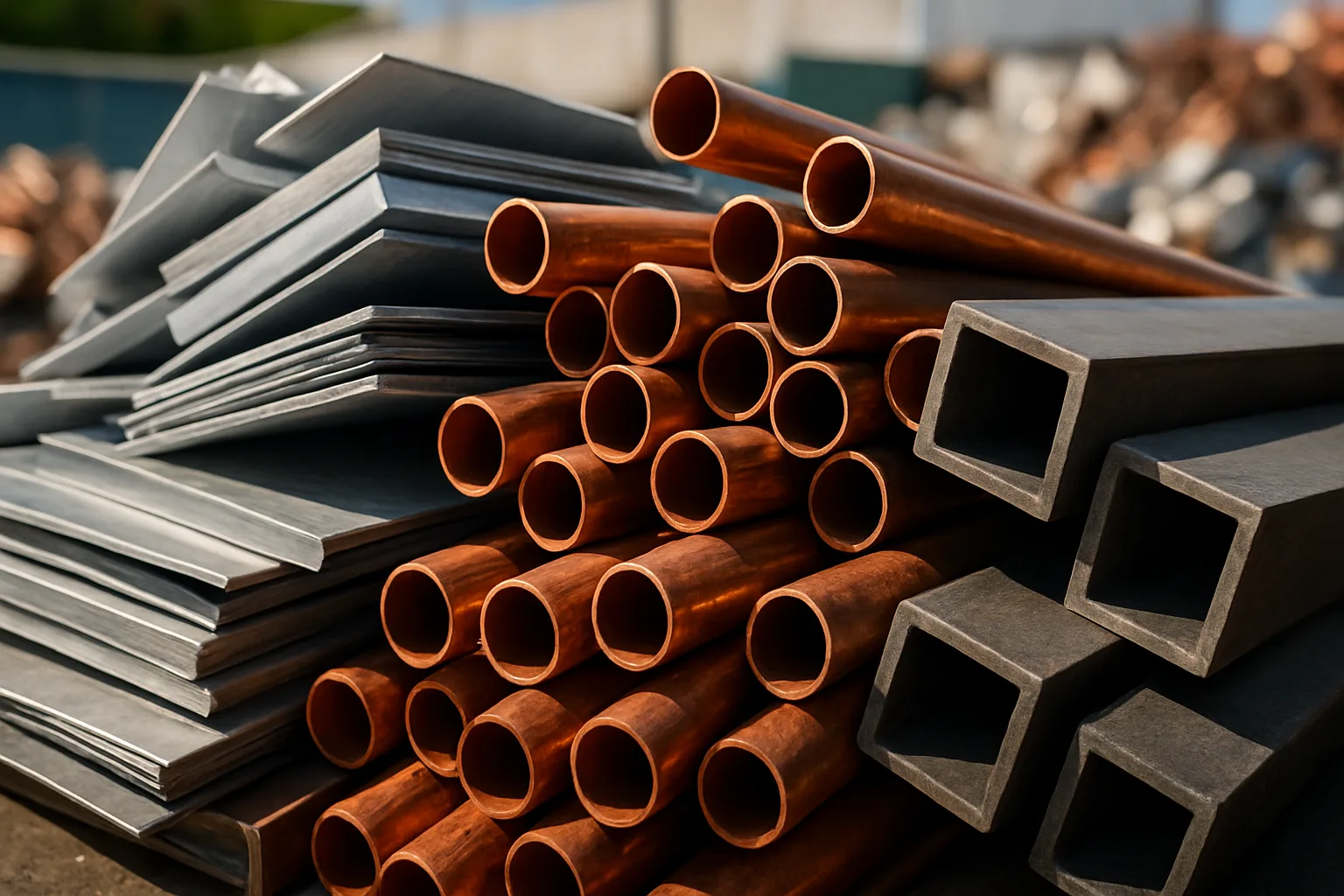
Copper is consistently one of the highest-value metals in scrap. #1 bare bright copper — clean wire with no insulation — commands the top rate. #2 copper includes things like old pipe, fittings, and wire with insulation still on it. It pays less, but it's far more common. If you're pulling copper from gut jobs, renovations, or old buildings, the volume adds up fast in a city with Boston's age and housing density.
- Aluminum — lower per-pound value than copper but heavy and abundant. AC units, window frames, and wheels are good targets.
- Steel and iron (ferrous metals) — lower payout per pound but easy to source in bulk. Appliances, structural steel, car frames.
- Catalytic converters — high value, high scrutiny. Cats contain platinum group metals (PGMs) and can be worth serious money. But regulations around their sale have tightened significantly. We'll cover that below.
- Stainless steel — common in commercial kitchens and restaurant equipment. Often overlooked, worth separating.
- Insulated wire — strip it if you have volume. Stripped wire pays more. Unstripped still sells but at a steep discount.
Keep in mind: prices fluctuate based on global commodity markets. The copper scrap price today can shift week to week. Always check current rates before planning a haul. Getting familiar with tools like the SMASH scrap metal auction marketplace can help you understand what buyers are actually bidding — not just what yards post on their boards.
Catalytic Converter Sales: Know the Rules Before You Touch Them
Catalytic converters are one of the most valuable items in scrap, and also one of the most regulated. If you're building a scrap side business, you need to understand the compliance landscape — especially in Massachusetts, where enforcement has been active.
As of 2026, federal law requires that anyone selling used catalytic converters must be able to document legitimate ownership or acquisition. That means receipts, vehicle titles, repair orders, or business records. Selling cats without documentation puts you at serious legal risk. This isn't hypothetical — enforcement has increased across the country, and Massachusetts has its own state-level requirements on top of federal rules.
For legitimate collectors and auto recyclers, the path forward is documentation and transparency. If you're pulling cats from vehicles you own or that you've purchased legitimately, keep your paperwork clean. If you're buying cats from the public, you need to understand dealer registration requirements in your state.
The upside? When you have properly documented, clean cats, there's real money to be made. A catalytic converter auction format — like what SMASH runs — puts your material in front of multiple vetted buyers simultaneously. That competition can help reveal the actual market value instead of letting a single buyer set the price. More buyers means better price discovery. That's just math.
Where to Source Scrap Metal in Boston and Massachusetts
Your business lives and dies by your sourcing. Here's where small operators in the Boston area have found consistent material flows:
- Residential contractors and plumbers — They generate copper, PVC, and mixed metals constantly. Offer to haul their job-site scrap for free in exchange for the material. Many will say yes just to avoid a dumpster fee.
- Auto repair shops — Used catalytic converters, rotors, alternators, starters, and batteries. Build relationships with three or four shops and you'll have consistent weekly volume.
- Property managers and landlords — Apartment turnover in Boston means appliances, fixtures, and old pipe come out regularly. Get on their call list.
- Demolition and renovation crews — Higher volume, more competitive, but worth pursuing. Commercial demolition sites can yield significant non-ferrous material.
- Facebook Marketplace and Craigslist free listings — People post old appliances, scrap cars, and metal junk for free pickup constantly. Monitor these and move fast.
- Estate sales and foreclosure cleanouts — Often overlooked. Old homes in Massachusetts frequently contain copper plumbing and wiring that others leave behind.
The more reliable your sourcing relationships, the more predictable your income becomes. Consistency is what separates a random side hustle from an actual business.
Getting the Best Scrap Metal Prices: Stop Leaving Money at the Yard
Most people who sell scrap take whatever the yard offers. That's the old way. One buyer, one price, no leverage. If you're serious about running this as a business — even a small one — you need to think differently about how you sell.
A few habits that protect your margin:
- Separate your metals before you arrive. Mixed loads get downgraded. Segregated material gets paid at the correct rate for each metal type.
- Know the current market before you go. Checking copper scrap price today takes two minutes. Walk in informed.
- Don't be loyal to one yard by default. Shop rates. Especially for high-value loads, a few cents per pound on a 500-pound copper load is real money.
- Use auction platforms for high-value material. For catalytic converters, large non-ferrous loads, and specialty metals, a platform like SMASH creates competition between buyers. Competition can help reveal the market. That's how you stop guessing.
If you want to sell your scrap metal on GetMyScrap and connect with buyers who compete for your material, you're already operating smarter than most. For people new to the business side of scrap, platforms like SMASH and services like GetMyScrap are built specifically to cut through the opacity that's always worked against sellers.
The scrap metal recycling Massachusetts market is real and active. Construction in Greater Boston, ongoing building conversions, and a dense auto repair ecosystem all feed consistent material supply. The question isn't whether there's material — there is. The question is whether you're capturing the best return on it.
Tracking Your Numbers: Run This Like a Business From Day One
The fastest way to kill a side business is to treat it like a hobby financially. Track every haul. Record the weight, the metal type, the yard you sold to, and what you got paid. This data tells you which material is worth hauling, which sources are most profitable, and whether your operation is actually making money after fuel and time.
A simple spreadsheet works. Log your source, your material, your weight, your price per pound, and your payout. After 60 days, the patterns will be obvious. You'll see which relationships are worth maintaining and which metals to prioritize. You'll also have the records you need if regulations require documentation — which, for cats and certain non-ferrous loads, they increasingly do.
If you're ready to move beyond casual scrap selling and get a fair price for your scrap today, the infrastructure exists to support you. Vetted buyers, documented transactions, and a transparent process are now table stakes for anyone selling scrap at scale.
Running a lean, well-documented scrap collection business in Boston is entirely possible in 2026. The material is there. The buyers are there. The platforms to connect them exist. All it takes is the discipline to operate it like a real business — sorted loads, clean documentation, and a habit of checking the market before you sell. If you want more guidance on the selling side, explore scrap metal selling guides to sharpen your approach before your next haul.
Ready to put your scrap to work? Get a fair price for your scrap metal — request a pickup at getmyscrap.com and let buyers compete for your material instead of the other way around.
Frequently Asked Questions
Q: What are scrap metal prices in Boston right now?
Scrap metal prices in Boston fluctuate based on global commodity markets and local yard competition. Copper, aluminum, and steel rates all move week to week. For the most accurate current rates, check directly with local Massachusetts yards or use a platform like SMASH to see what vetted buyers are actively bidding. Disclaimer: Prices change frequently — always verify current rates before selling.
Q: Do I need a license to collect and sell scrap metal in Massachusetts?
For casual selling, most Massachusetts residents don't need a license. However, if you're buying scrap from third parties — especially catalytic converters — state and federal dealer registration requirements may apply. Check with the Massachusetts Department of Public Safety and review current federal catalytic converter regulations before operating at any real volume.
Q: What scrap metal is most valuable to collect in the Boston area?
Copper consistently returns the highest per-pound value. Catalytic converters can also be extremely valuable when properly documented. Aluminum, stainless steel, and insulated wire round out the most profitable materials. In Boston, where older housing stock and active construction create steady copper and aluminum supply, those two metals are the most practical focus for a new collector.
Q: How do I find the best scrap metal prices near me?
Compare rates across multiple local yards rather than defaulting to one. Use online tools and auction platforms to understand what buyers are actually bidding for specific materials. For high-value loads, a competitive auction format through a platform like SMASH can surface better pricing than any single yard quote.
Q: Can I sell catalytic converters legally as a side business in Massachusetts?
Yes, but documentation is non-negotiable. As of 2026, federal law requires proof of legitimate ownership or acquisition for any used catalytic converter sale. Massachusetts also has state-level requirements. Keep vehicle titles, purchase receipts, or repair orders for every cat you handle. Clean documentation protects you legally and makes your material easier to sell through reputable buyers.
Stay current on scrap metal market trends and industry regulations — follow SMASH on LinkedIn for regular updates, price insights, and news that affects scrap sellers across North America.