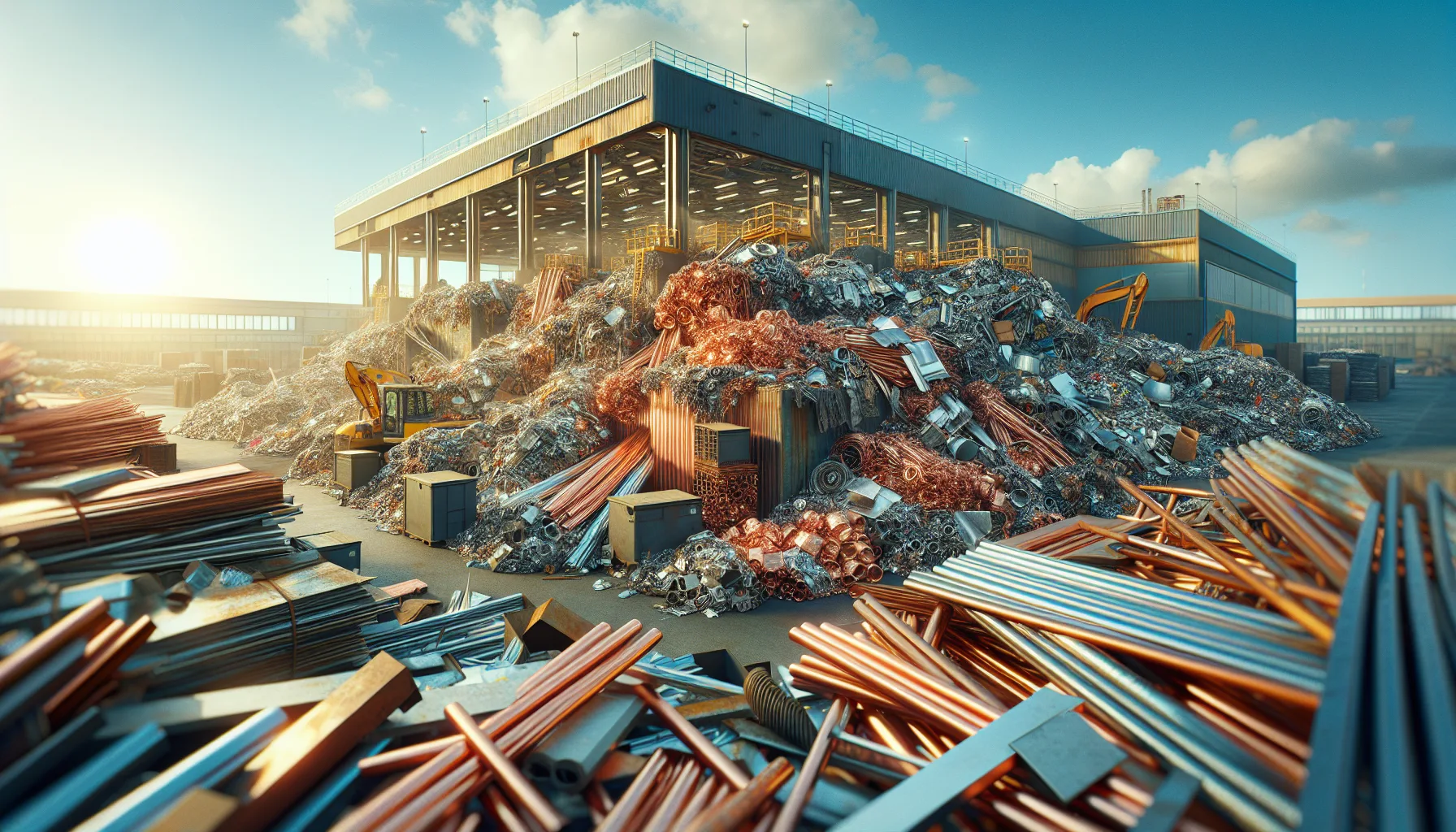
Brass and Bronze Scrap Metal Market Shows Strong Demand in May 2026
Copper-based alloys continue commanding premium prices across Pennsylvania's scrap metal markets this week. Brass and bronze scrap — often overlooked by casual sellers — represent some of the most valuable non-ferrous metals you can find in everyday items. These golden-hued alloys consistently outperform basic metals, with current market rates reflecting strong industrial demand heading into summer construction season.
Philadelphia scrap yards are actively seeking brass and bronze materials as manufacturing rebounds and infrastructure projects accelerate. Unlike steel or aluminum, these specialty alloys require specific knowledge to identify and grade properly. Smart sellers who understand brass and bronze fundamentals consistently achieve the best scrap metal prices Philadelphia dealers offer for non-ferrous materials.
The key lies in knowing where to look and how to prepare your materials. Most brass and bronze scrap comes from plumbing fixtures, electrical components, and architectural elements — items that homeowners and contractors encounter regularly during renovation projects.
Understanding Brass vs Bronze: Composition and Value Differences
Brass contains copper and zinc, typically ranging from 60-70% copper content. The higher the copper percentage, the more valuable your brass becomes. Common brass items include plumbing fittings, doorknobs, musical instruments, and decorative hardware. The distinctive yellow color helps distinguish brass from other metals, though some brass alloys appear more reddish.
Bronze combines copper with tin, creating a harder alloy that's often more valuable than standard brass. Bronze typically contains 88-95% copper, explaining its premium pricing. You'll find bronze in bearings, bushings, marine hardware, and sculptural elements. The metal often develops a greenish patina over time, similar to weathered copper.
Both metals command significantly higher prices than basic scrap materials. Current market conditions show brass trading at rates that make collection worthwhile for anyone with access to quality materials. Platforms like SMASH connect sellers with buyers seeking specific brass and bronze grades for industrial applications.
Understanding these differences helps maximize your returns. Mixed brass-bronze loads receive lower pricing than properly sorted materials. Invest time in identification and separation — the price difference justifies the effort when dealing with substantial quantities.
Top Sources for Brass and Bronze Scrap Materials
Plumbing systems offer the richest source of brass scrap in residential and commercial properties. Older Philadelphia buildings contain extensive brass piping, fittings, and valves that become available during renovation projects. Water meters, pressure regulators, and shut-off valves typically contain high-grade brass worth collecting.
HVAC systems provide another excellent source. Brass components in heating and cooling equipment include fittings, heat exchangers, and control valves. Commercial buildings undergoing system upgrades often generate substantial quantities of brass scrap from equipment replacement.
Electrical applications yield valuable brass materials including:
- Electrical panels and switchgear components
- Industrial motor housings and electrical contacts
- Grounding straps and heavy-duty electrical fittings
- Generator components and transformer parts
Marine and automotive sources shouldn't be overlooked. Boat hardware, propellers, and marine fittings often contain bronze alloys designed for saltwater resistance. Automotive applications include radiator cores, bearing materials, and some specialized engine components.
Construction and demolition sites across Pennsylvania generate brass and bronze materials from architectural elements. Door hardware, window fittings, and decorative elements from older buildings contain valuable alloys. Always obtain proper permissions before collecting materials from construction sites.
Preparation and Grading for Maximum Scrap Value
Proper preparation significantly impacts pricing for brass and bronze materials. Clean, sorted metals command premium rates compared to contaminated or mixed loads. Remove all steel attachments, plastic components, and foreign materials before weighing.
Grade separation matters tremendously in achieving competitive pricing. Separate materials into distinct categories:
- Clean brass: Free from attachments, corrosion, and foreign materials
- Dirty brass: Contains steel fittings, corrosion, or minor contamination
- Bronze bearing/bushing material: High-copper content bronze components
- Mixed brass: Various brass items sorted together
Magnetic testing helps identify steel components that need removal. Brass and bronze are non-magnetic, so any magnetic attraction indicates steel contamination requiring separation. Use appropriate tools to remove steel screws, fittings, or attachments that reduce value.
Weight accumulation strategies work well for brass and bronze collection. These materials are denser than aluminum but lighter than lead, making transportation manageable in reasonable quantities. Focus on quality over quantity — clean, properly graded materials consistently achieve better pricing than large volumes of contaminated scrap.
Documentation helps when dealing with larger quantities. Keep records of material sources, weights, and grades to track value over time. This information proves valuable when working with buyers through platforms that facilitate transparent transactions.
Current Market Pricing and Demand Factors
May 2026 market conditions show strong demand for brass and bronze materials across North American scrap markets. Industrial production increases and infrastructure spending drive demand for copper-based alloys in manufacturing applications. This demand translates into competitive pricing for quality scrap materials.
Regional factors influence pricing variations across Pennsylvania markets. Philadelphia's industrial base creates consistent demand for scrap materials, supporting stable pricing compared to more rural areas. Transportation costs and local competition affect final pricing, making local market knowledge valuable for sellers.
Seasonal patterns typically show strongest demand during spring and summer construction seasons. Current timing aligns with peak demand periods, supporting favorable pricing conditions for quality brass and bronze materials. Manufacturing schedules and construction activity drive these seasonal fluctuations.
Global copper market conditions directly impact brass and bronze pricing since copper comprises the majority of these alloys. Economic factors affecting copper demand — including construction activity, electrical manufacturing, and industrial production — influence local scrap pricing throughout the supply chain.
Quality premiums remain significant in current markets. Clean, properly prepared materials command substantially higher prices than contaminated or mixed loads. The extra effort required for proper preparation pays dividends in final pricing, especially for larger quantities.
B2B scrap metal marketplace platforms like SMASH enable price discovery and competitive bidding for quality materials. These platforms connect sellers with industrial buyers seeking specific grades and quantities, often achieving better pricing than traditional yard sales.
Maximizing Profits Through Strategic Collection and Sales
Timing and volume considerations affect profitability for brass and bronze collection efforts. Market prices fluctuate based on global commodity trends, seasonal demand, and local supply conditions. Monitoring price trends helps identify optimal selling opportunities for accumulated materials.
Relationship building with reliable buyers improves long-term profitability. Establishing connections with yards that specialize in non-ferrous materials often yields better pricing than general scrap dealers. Some facilities offer price guarantees or volume discounts for regular suppliers of quality materials.
Storage and accumulation strategies require proper planning. Brass and bronze don't degrade like ferrous metals, making longer-term storage feasible when market conditions suggest waiting. Proper storage prevents contamination and maintains material quality during accumulation periods.
Transportation efficiency impacts net profitability, especially for smaller quantities. Combining trips or coordinating with other sellers reduces per-pound transportation costs. Some buyers offer pickup services for larger quantities, eliminating transportation concerns for sellers.
Market diversification provides price comparison opportunities. Using multiple outlets — including traditional yards, sell your scrap metal on GetMyScrap platform, and specialized buyers — helps identify best pricing for specific materials and quantities.
Documentation and record-keeping support tax compliance and business planning for regular sellers. Tracking weights, prices, and sources helps optimize future collection efforts and identify most profitable material types and sources.
Professional Opportunities in Brass and Bronze Scrap
Commercial collection opportunities exist for entrepreneurs willing to develop systematic approaches to brass and bronze recovery. Partnerships with plumbing contractors, HVAC companies, and demolition firms create steady material sources for professional collectors.
Industrial accounts generate substantial quantities of brass and bronze scrap during equipment maintenance and replacement cycles. Manufacturing facilities, utilities, and large commercial properties often welcome reliable scrap removal services that provide fair pricing and professional handling.
Scrap metal inventory management becomes crucial for professional operations handling multiple material types. Organized storage, accurate grading, and efficient processing systems maximize profitability while maintaining quality standards buyers expect.
Learning how to purchase scrap metal from other collectors or small-scale sellers creates arbitrage opportunities for experienced operators. Knowledge of grading standards and market pricing enables profitable secondary transactions while providing service to casual sellers.
Technology integration improves efficiency for professional scrap operations. Digital scales, mobile apps for price tracking, and GPS optimization for collection routes enhance productivity and profitability in competitive markets.
The North America's B2B scrap metal auction platform SMASH provides professional sellers with access to industrial buyers seeking specific brass and bronze grades. This marketplace enables competitive bidding and transparent pricing for quality materials.
Whether you're handling occasional renovation scrap or developing a professional collection operation, understanding brass and bronze fundamentals positions you for success in Pennsylvania's active scrap metal markets. The combination of strong demand, premium pricing, and accessible sources makes these materials particularly attractive for informed sellers who get a fair price for your scrap today through proper preparation and market knowledge.
Stay informed about market developments and pricing trends by reading additional resources to explore scrap metal selling guides that cover various aspects of profitable scrap metal operations in today's dynamic markets.
Frequently Asked Questions
Q: What's the difference between brass and bronze pricing in Philadelphia scrap yards?
Bronze typically commands higher prices than brass due to its higher copper content (88-95% vs 60-70%). Current market conditions show bronze trading at premium rates compared to standard brass grades. Clean, properly prepared bronze often achieves 15-25% higher pricing than comparable brass materials.
Q: How can I tell if my scrap metal is brass or bronze?
Brass appears more yellow-golden while bronze has a reddish-brown color that may develop green patina. Bronze feels harder and denser than brass. Simple spark tests or professional identification help distinguish between alloys when visual identification proves difficult.
Q: Do Philadelphia scrap yards accept small quantities of brass and bronze?
Most Pennsylvania scrap yards accept brass and bronze in any quantity, though minimum weights may apply for some premium pricing tiers. Smaller quantities often receive standard pricing while larger loads may qualify for volume discounts or premium grades.
Q: What preparation increases brass and bronze scrap value?
Remove all steel attachments, plastic components, and foreign materials. Separate different grades and alloys. Clean materials free from excessive corrosion or contamination achieve highest pricing. Proper sorting and preparation often increases value by 20-30% compared to mixed or dirty loads.
Q: When are brass and bronze prices typically highest?
Spring and summer construction seasons generally show strongest demand and pricing for copper-based alloys. Industrial production cycles and global copper market conditions also influence pricing. Monitoring market trends helps identify optimal selling opportunities for accumulated materials.
Ready to turn your brass and bronze materials into cash? Understanding these valuable alloys and their market dynamics positions you for success in Pennsylvania's competitive scrap metal markets. Get a fair price for your scrap metal — request a pickup at getmyscrap.com.
Follow SMASH on LinkedIn for the latest industry updates and scrap metal market insights that keep you informed about pricing trends and market opportunities.
*Disclaimer: Scrap metal prices fluctuate daily based on market conditions, material quality, and other factors. Contact local dealers for current pricing information.*