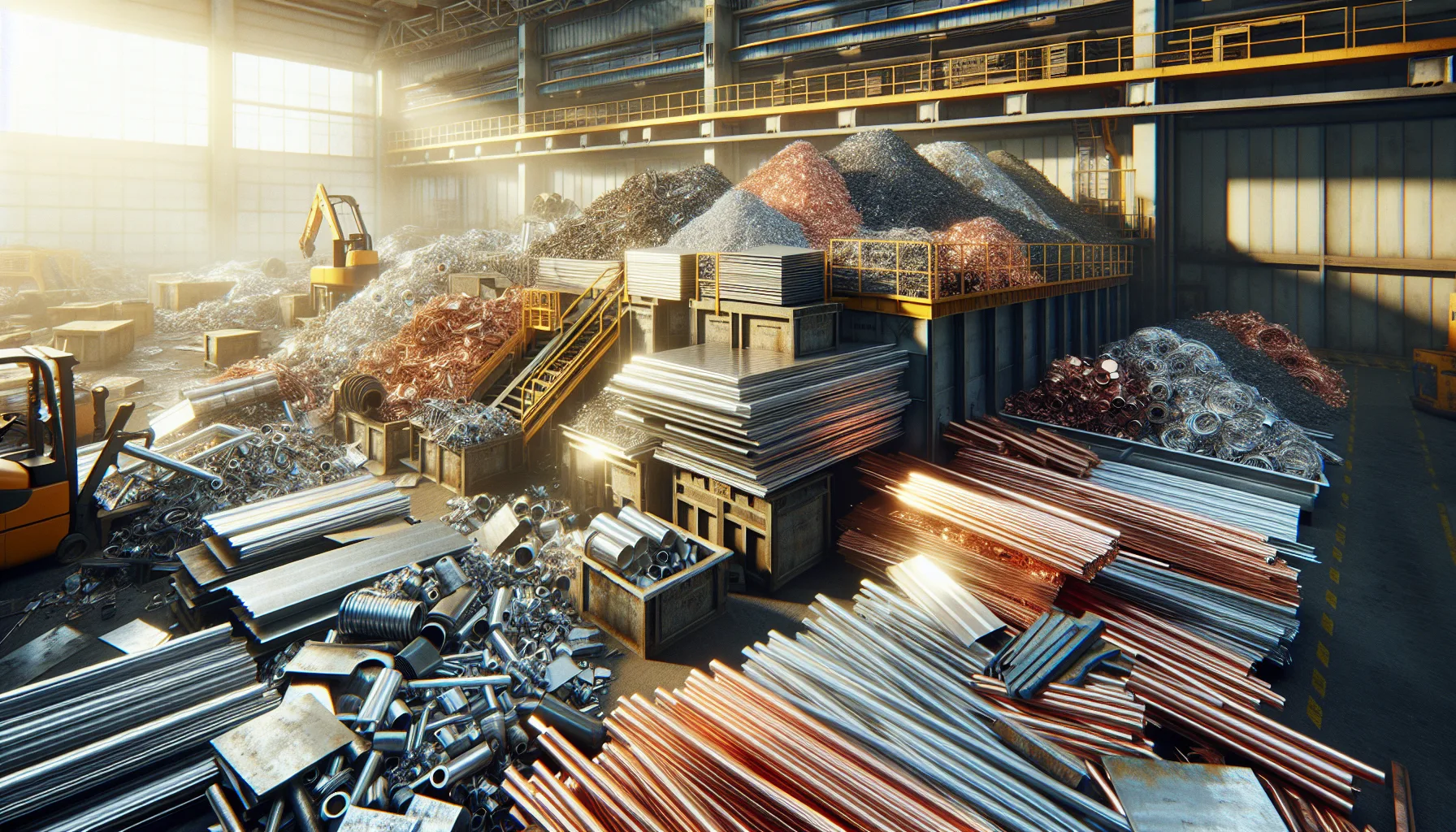
A Riverside electronics manufacturer recently discovered that their warehouse full of outdated computers, servers, and communication equipment contained over $50,000 worth of recoverable precious metals. This success story highlights how scrap metal recycling Riverside businesses are transforming electronic waste from a disposal problem into a profitable opportunity.
Electronic waste represents one of the fastest-growing waste streams globally, yet most people don't realize that old electronics contain valuable materials including gold, silver, platinum, palladium, and substantial amounts of copper. Understanding how to properly extract and sell these materials can turn your electronic clutter into significant cash returns.
The Hidden Value in Electronic Waste
Modern electronics pack impressive amounts of precious metals into compact designs. A typical desktop computer contains approximately 0.2 grams of gold, 5 grams of silver, and nearly 1.5 pounds of copper wiring. Smartphones hold even higher concentrations — about 0.034 grams of gold and 0.34 grams of silver per device, making them more gold-rich per ton than many mining operations.
Circuit boards represent the most valuable component in electronic recycling. These green boards contain gold-plated connectors, silver-based solder, and copper traces that create intricate pathways for electrical signals. Server boards and telecommunications equipment often yield the highest returns because they use more precious metals for reliable performance in commercial applications.
Hard drives deserve special attention in any e-waste recovery operation. Beyond their aluminum casings and steel frames, hard drives contain rare earth magnets made from neodymium — a material that commands premium prices in today's market. These powerful magnets also appear in speakers, computer fans, and electric motor assemblies found throughout electronic devices.
The key to maximizing returns lies in understanding which components hold the most value. Rather than processing entire devices as mixed electronic scrap, successful recyclers separate high-value components for specialized recovery processes that capture maximum precious metal content.
Professional E-Waste Processing Methods
Professional precious metal recovery from electronics involves sophisticated processes that go far beyond simple disassembly. The most effective operations use a combination of mechanical separation, chemical processing, and thermal treatments to extract maximum value from electronic components.
Mechanical processing begins with careful disassembly to separate different material types. Circuit boards get removed from plastic housings, copper wiring gets stripped from devices, and components containing precious metals get sorted by type and concentration. This initial separation step dramatically improves recovery efficiency in subsequent processing stages.
Chemical recovery methods use controlled acid solutions to dissolve precious metals from circuit boards and electronic components. These processes require proper safety equipment and environmental controls, which is why most individual recyclers work with specialized facilities that handle chemical processing. The dissolved metals get refined back into pure forms that command top market prices.
Thermal processing involves controlled heating to separate materials based on their melting points and volatility. This method works particularly well for recovering metals from complex assemblies where mechanical separation proves difficult. Professional facilities use specialized furnaces with precise temperature control and emission management systems.
Many California recyclers have discovered that partnering with certified e-waste processors provides better returns than attempting complex recovery processes independently. These partnerships allow sellers to focus on collection and initial sorting while leaving sophisticated extraction to specialists with proper equipment and expertise.
Case Study: Riverside Business Transforms Old IT Equipment
TechFlow Solutions, a growing software company in Riverside, faced a common problem in 2026: what to do with three years' worth of outdated computers, servers, and networking equipment taking up valuable warehouse space. Rather than paying disposal fees, they decided to explore scrap metal recycling Riverside options.
The initial assessment revealed 85 desktop computers, 12 servers, 45 laptops, and various networking equipment including switches, routers, and telecommunications gear. Working with a local recycling specialist, they systematically cataloged each item and separated components by material type and precious metal content.
Circuit boards from the servers yielded the highest returns due to their gold-plated connectors and high-density component layouts. The company recovered approximately 2.5 pounds of mixed precious metals from server boards alone. Desktop computers contributed substantial copper wiring — nearly 200 pounds total — along with aluminum cases and steel chassis materials.
The most surprising discovery came from old telecommunications equipment. Legacy phone system components contained significant amounts of silver and gold, reflecting the high-reliability requirements of commercial communication systems. These components, often overlooked in standard e-waste processing, generated nearly 20% of the total recovery value.
Through platforms like SMASH Scrap — where verified buyers bid on your metal, TechFlow Solutions connected with specialized buyers who understood the value of sorted electronic components. The competitive bidding process ensured they received fair market rates for each material type, maximizing their overall returns.
The final results exceeded expectations: $52,000 in total recovery value from materials that would have cost $3,000 to dispose of properly. This 17-to-1 return on effort transformed their waste management approach and provided funding for new equipment purchases.
Maximizing Copper Recovery from Electronics
Copper represents the most abundant valuable metal in electronic waste, making it a cornerstone of profitable e-waste recycling operations. Understanding how to efficiently extract and grade copper from electronics directly impacts your bottom line, especially with current copper scrap prices Riverside markets showing strong demand.
Power supply units contain some of the highest-quality copper found in electronics. These components use heavy-gauge copper windings in transformers and substantial copper heatsinks for thermal management. Properly processed power supply copper often grades as #1 copper, commanding premium prices in today's market.
Wiring harnesses throughout electronic devices provide another significant copper source. Computer cases, servers, and telecommunications equipment contain extensive internal wiring that, when properly stripped, yields clean copper suitable for top-grade pricing. The key lies in efficient stripping techniques that remove insulation without damaging the underlying copper.
Heat sinks and cooling components represent often-overlooked copper sources. Graphics cards, processors, and power amplifiers use substantial copper heat sinks that can be easily removed and processed as clean copper scrap. These components typically yield higher per-pound values than mixed electronic scrap.
Motor assemblies in cooling fans, hard drives, and optical drives contain copper windings that require careful extraction. While more labor-intensive than other copper sources, these windings often contain high-purity copper that justifies the additional processing effort. Professional recyclers have developed efficient techniques for motor disassembly that maximize copper recovery while minimizing processing time.
Building Profitable E-Waste Collection Networks
Successful electronic recycling operations rely on consistent material flow from diverse sources. Building relationships with businesses, institutions, and individual collectors ensures steady access to electronic waste while reducing acquisition costs through efficient collection networks.
Office buildings and business parks represent prime collection opportunities. Most companies regularly upgrade computer equipment, replace servers, and dispose of outdated telecommunications gear. Establishing pickup services for these businesses creates win-win relationships where companies avoid disposal costs while recyclers gain access to high-value electronic materials.
Educational institutions generate substantial electronic waste through regular technology refreshes. Schools and universities often have policies requiring environmentally responsible disposal, making them ideal partners for certified recycling operations. These relationships frequently yield large quantities of similar equipment types, simplifying processing and improving efficiency.
Consumer electronics collection requires different strategies focused on convenience and accessibility. Many successful recyclers establish collection events, partner with retail locations, or offer pickup services for large quantities. Smartphones, tablets, and gaming consoles from consumer sources often contain higher concentrations of precious metals than business equipment.
When you sell your scrap metal on GetMyScrap, you connect with buyers who understand the specific requirements and values of electronic waste materials. This marketplace approach ensures competitive pricing while providing access to specialized processors equipped for complex electronic recovery operations.
Geographic considerations play important roles in collection network development. Riverside's position in Southern California provides access to diverse industries including technology companies, manufacturing facilities, healthcare institutions, and educational organizations — all significant generators of electronic waste.
Future Trends in Electronic Waste Recovery
The electronic waste recycling industry continues evolving as new technologies emerge and regulations adapt to growing e-waste volumes. Understanding these trends helps recyclers position themselves for long-term success in this rapidly changing market.
Artificial intelligence and automation increasingly influence sorting and processing operations. Advanced optical sorting systems can identify and separate different electronic components with remarkable precision, improving recovery rates while reducing labor costs. These technologies make smaller-scale operations more viable by increasing processing efficiency.
Regulatory developments continue shaping the e-waste landscape. Extended producer responsibility programs require manufacturers to take greater responsibility for end-of-life product management, potentially creating new partnership opportunities for recyclers. California leads many of these regulatory initiatives, positioning state recyclers advantageously as other regions adopt similar programs.
Rare earth element recovery represents an emerging opportunity in electronic recycling. These materials, critical for modern electronics but predominantly sourced from overseas, command premium prices when recovered domestically. Developing expertise in rare earth recovery could provide significant competitive advantages.
When you get a fair price for your scrap today, you're participating in an industry transformation that increasingly values resource recovery over simple disposal. This shift creates opportunities for recyclers who understand both traditional scrap markets and emerging electronic material streams.
Blockchain technology shows promise for improving supply chain transparency in electronic recycling. These systems could provide verified tracking of materials from collection through final processing, ensuring proper environmental management while documenting material flows for regulatory compliance.
For those interested in staying current with industry developments and learning more about effective recycling strategies, explore scrap metal selling guides that cover both traditional and emerging recycling opportunities.
Frequently Asked Questions
Q: What electronics contain the most valuable precious metals?
Server components, telecommunications equipment, and high-end computer graphics cards typically contain the highest concentrations of gold, silver, and platinum. Circuit boards from these devices often yield 10-20 times more precious metals per pound than consumer electronics.
Q: How much copper can I expect to recover from old computers?
A typical desktop computer contains 1-2 pounds of copper in wiring, heat sinks, and transformers. Servers and larger equipment often contain 3-5 pounds of recoverable copper, making them particularly valuable for copper scrap prices Riverside markets.
Q: Is it legal to process electronic waste for metal recovery in California?
Yes, but California requires proper certification and environmental compliance for electronic waste processing. Many recyclers work with certified processors rather than handling complex extraction processes independently to ensure full regulatory compliance.
Q: What's the best way to find buyers for electronic scrap materials in Riverside?
Online platforms like SMASH connect sellers with verified buyers who specialize in electronic materials. This approach typically yields better prices than traditional scrap yards because buyers understand the specific value of sorted electronic components.
Q: How should I prepare electronics for recycling to maximize value?
Remove and sort high-value components like circuit boards, separate different material types, and strip copper wiring when practical. Proper preparation can increase overall value by 30-50% compared to selling mixed electronic scrap.
The success of TechFlow Solutions demonstrates how proper e-waste management transforms disposal costs into profit opportunities. Whether you're managing business technology refreshes or collecting consumer electronics, understanding precious metal recovery creates significant value from materials others consider waste. Platforms like SMASH make it easier than ever to connect with specialized buyers who recognize the true worth of properly processed electronic materials. Get a fair price for your scrap metal — request a pickup at getmyscrap.com.
Stay connected with industry developments and market insights by following SMASH on LinkedIn at https://www.linkedin.com/company/scrap-metal-auction-sales-hub for the latest updates on electronic waste recycling and precious metal recovery opportunities.