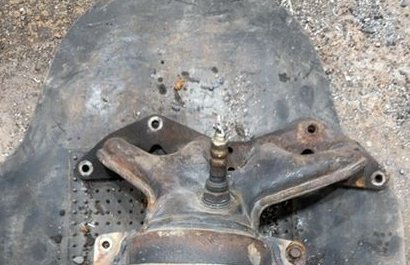
A Sacramento auto shop pulled 47 catalytic converters out of storage last spring and called three local buyers. They got three wildly different quotes — the spread between the lowest and highest was over $800 per unit. Same converters. Same day. Same market. That gap is not unusual. It's the norm. And if you don't understand why catalytic converter prices vary so much, you're probably leaving real money on the table every single time you sell.
This article breaks down exactly how catalytic converter recycling works, what drives the price swings, and how sell your scrap metal on GetMyScrap to make sure you're not stuck with the lowest bid in the room.
---What Actually Happens When You Recycle a Catalytic Converter
Most people think of catalytic converters as just another exhaust part. Scrap buyers think of them differently — as small containers packed with platinum group metals (PGMs): platinum, palladium, and rhodium. These three metals do the real work inside the converter, filtering harmful emissions. They're also extraordinarily valuable on the commodities market.
When a catalytic converter leaves your yard or shop, here's the typical chain:
- You sell the unit to a local buyer or through an auction platform.
- The buyer aggregates converters into larger lots.
- Those lots go to a smelter or toll refiner who processes the material.
- The PGM content is assayed (tested), refined, and sold into the metals market.
- The refiner and processor take their cut — what's left over flows back up the chain as your payout.
Every step in that chain involves a margin. Your price is what's left after everyone downstream takes theirs. That's why knowing your material — the exact make, model, year, and serial of each converter — matters more than people realize. Better documentation means buyers can price more accurately. Accurate pricing means less risk margin built into the offer. Less risk margin means a better number for you.
Platforms like get competitive bids for your scrap metal are built around exactly this idea — transparent inventory documentation drives better bids.
---Why Catalytic Converter Scrap Prices Vary So Dramatically
The $800-per-unit spread that Sacramento auto shop saw isn't a fluke. It's a direct result of how opaque this market has traditionally been. Several factors drive the variation.
PGM commodity prices shift constantly. Palladium alone has swung hundreds of dollars per troy ounce over short periods. Rhodium is even more volatile. When you call a buyer on a Tuesday versus a Friday, you're often dealing with a different underlying commodity price — even if you're quoting the same converter.
Not all converters are equal. A Toyota Prius catalytic converter carries a fundamentally different PGM load than a converter from a mid-sized pickup. Foreign converters (Honda, Toyota, Nissan) tend to carry higher PGM content than domestic equivalents. Diesel converters have different chemistry altogether. Buyers who know the difference price accordingly. Buyers who don't — or who don't trust your documentation — build in a cushion.
Volume and relationship matter. A yard moving 50 converters a week gets a different conversation than someone selling 4. That's just reality. But the right platform can level that field.
Condition and documentation affect confidence. A converter with a verifiable VIN, clear photos, and a proper serial number gives a buyer something to price against. An unknown unit in a mixed pile is a guessing game. Buyers don't pay well for guesses.
This is exactly why scrap metal inventory management isn't just administrative busywork — it's a direct lever on your payout. Organized, documented inventory consistently outperforms a bag of mystery converters at the counter.
---How Sacramento Yards Are Getting Better Prices on Converters in 2026
California has always been a high-volume catalytic converter market. Between the density of the vehicle population and the state's strict emissions standards, California vehicles tend to carry cleaner, better-maintained converters — which often translates to better PGM content. Sacramento sits at the center of a major inland network of auto shops, dismantlers, and salvage operations feeding the recycling pipeline.
But geography alone doesn't guarantee a good price. What's changed in 2026 is how sellers in Sacramento are choosing to move their material. The shift away from single-buyer phone calls toward competitive, documented auction formats has been significant.
Rather than calling one buyer and hoping the number is fair, sellers are now listing documented converter lots and letting vetted buyers compete. That competition is the mechanism that reveals what the market will actually pay — not what one buyer decides to offer that morning. Sacramento scrap metal services now include access to multi-buyer platforms that weren't common just a few years ago.
SMASH is built around this model. No subscription fees. No locked-in relationships. You list your material, vetted buyers bid, and you see the spread. It's the same competitive pressure that moves commodities markets — applied directly to your converter lots.
---Scrap Metal Prices Today: What Moves the Number on Catalytic Converters
When sellers search scrap metal prices today or check a steel scrap price today index, they're looking at ferrous benchmarks — useful, but not the whole picture for catalytic converters. Cat prices are driven by PGM spot pricing, not steel. Understanding that distinction changes how you approach selling.
Here's what actually moves your converter price on any given day:
- Palladium spot price — The dominant PGM in gasoline-engine converters. Tracks on commodity exchanges daily.
- Rhodium spot price — Smaller volume but extraordinarily high value per troy ounce. A small swing here moves cat prices fast.
- Platinum spot price — More relevant for diesel converters.
- Refiner assay results — What the actual material tests at, not what was estimated. Averages matter across a large lot.
- Shipping and processing costs — These are factored into the buyer's margin. Volume helps here.
Watching PGM prices the way you'd watch the steel scrap price today gives you a genuine edge. Most sellers don't. The ones who do know when to hold a load and when to move it.
Disclaimer: Scrap metal prices — including catalytic converter values — fluctuate daily based on commodity markets. Always check current rates before selling. Nothing in this article represents a current price guarantee.
---How to Document and Sell Catalytic Converters the Right Way
Good documentation is not about paperwork for its own sake. It's about removing the buyer's excuse to underprice your material. Every unknown is a discount. Here's how to tighten that up.
Photo every converter. Top, bottom, ends. Capture the serial number or substrate clearly. This takes 60 seconds per unit and consistently leads to higher confidence in the buyer's quote.
Use VIN lookup where applicable. If you pulled the converter from a vehicle you have in the yard, the VIN tells the buyer exactly what make, model, engine, and year produced this unit. That maps directly to known PGM content data. Platforms like SMASH include VIN lookup as part of the listing process — that's not a coincidence.
Track serial numbers. Serial tracking on catalytic converters is increasingly required by state regulations — California included. It's also a compliance protection for your business. Beyond legal requirements, serials give buyers the ability to cross-reference against known PGM yield databases.
Batch by type where you can. Foreign high-grade converters, domestic mid-grade, foil cats, and pre-cats all have different values. Mixing them into a single lot forces buyers to average down. Sorting — even roughly — lets buyers price each category more competitively.
Get competitive bids before you commit. This is the single highest-leverage step. One buyer, one price is a negotiation where only one side knows the market. Multiple buyers competing changes that dynamic entirely. Explore scrap metal selling guides to understand how other sellers structure their loads for auction.
---Why Competitive Auctions Work Better Than a Single Phone Call
The old model is comfortable. You know the guy. He answers the phone. You get a number and you take it. That comfort has a price — and it comes out of your margin, not his.
The SMASH auction model flips the dynamic. You document your load, list it with verified inventory details, and vetted buyers bid against each other. Competition does the work. You don't have to negotiate — you just watch the market reveal itself.
This matters especially for catalytic converters because the price gap between a motivated buyer and a passive one can be significant. A buyer who needs your specific converter type to fill a refinery lot will pay more than a buyer who's indifferent. You don't know which one you're talking to on the phone. In an auction, it doesn't matter — they're both bidding, and the higher price wins.
No subscription fees. SMASH only wins when you win. That alignment is built into the model.
Whether you're a California dismantler running hundreds of units a month or a Sacramento shop that accumulates a small pile before selling, the principle is the same: more buyers means better price discovery. That's not a slogan. It's how markets work.
Ready to stop guessing what your converters are worth? Get a fair price for your scrap today — start with documented inventory and let competition do the rest.
---Frequently Asked Questions
Q: What determines the scrap price of a catalytic converter today?
Catalytic converter scrap prices are driven by platinum group metal (PGM) spot prices — primarily palladium, rhodium, and platinum. The converter's make, model, year, and documented condition also affect the quote. Unlike the steel scrap price today, which tracks ferrous benchmarks, cat prices track PGM commodity markets, which can shift significantly day to day.
Q: Why did I get three different prices for the same catalytic converters?
Different buyers have different downstream relationships, different refinery agreements, and different levels of confidence in undocumented material. A buyer who can verify your converter's PGM content through VIN lookup or serial tracking can price more accurately — and usually more competitively. Undocumented material gets a conservatively low offer to cover the buyer's risk.
Q: Is it worth sorting my catalytic converters before selling in Sacramento?
Yes. Sorting foreign high-grade converters from domestic mid-grade or foil cats lets buyers price each category accurately. A mixed lot gets averaged — usually averaging down to protect the buyer's margin. California regulations also require serial number documentation on cats, so proper sorting supports compliance at the same time.
Q: How do I find the best price for my scrap catalytic converters near me?
Start with documentation — photos, serials, VIN data where available. Then get multiple bids rather than accepting the first offer. Platforms like SMASH connect you with vetted buyers who compete for your material, which is consistently more effective than calling one buyer and hoping the number is fair.
Q: Does the steel scrap price today affect what I get for catalytic converters?
Not directly. Steel and ferrous scrap prices track iron and steel commodity markets. Catalytic converters are priced on PGM content — platinum, palladium, and rhodium. That said, general commodity market conditions often move together, so strong metal markets broadly tend to lift scrap values across categories. Always check current PGM spot prices specifically when evaluating your converter lot.
---If you're sitting on a pile of converters and still calling one buyer — there's a better way. Document your inventory, get competitive bids, and let the market tell you what your material is actually worth. Get a fair price for your scrap metal — request a pickup at getmyscrap.com.
Follow SMASH on LinkedIn for ongoing scrap metal market insights, PGM price trends, and practical guides for yards and buyers across North America.