Construction Sites Are Sitting on a Goldmine — Most Contractors Don't Know It
Every time a building comes down or a new structure goes up, scrap metal walks out the door — sometimes literally, in dumpsters headed straight to landfill. Construction and demolition (C&D) sites across Texas generate thousands of pounds of recoverable metal every single project. If you're a contractor, site manager, or demo crew working in or around San Antonio, understanding what you're hauling away could change what you earn from it.
This isn't a fringe opportunity. It's one of the most consistent and scalable sources of scrap metal in North America. And in 2026, with commodity markets shifting and buyers competing harder than ever for quality loads, knowing how to capture that value — and where to sell it — matters more than it used to. Finding the best scrap metal prices San Antonio has to offer starts with knowing what you've got and how to move it.
What Metals Are Generated on C&D Sites — and Why It Adds Up Fast
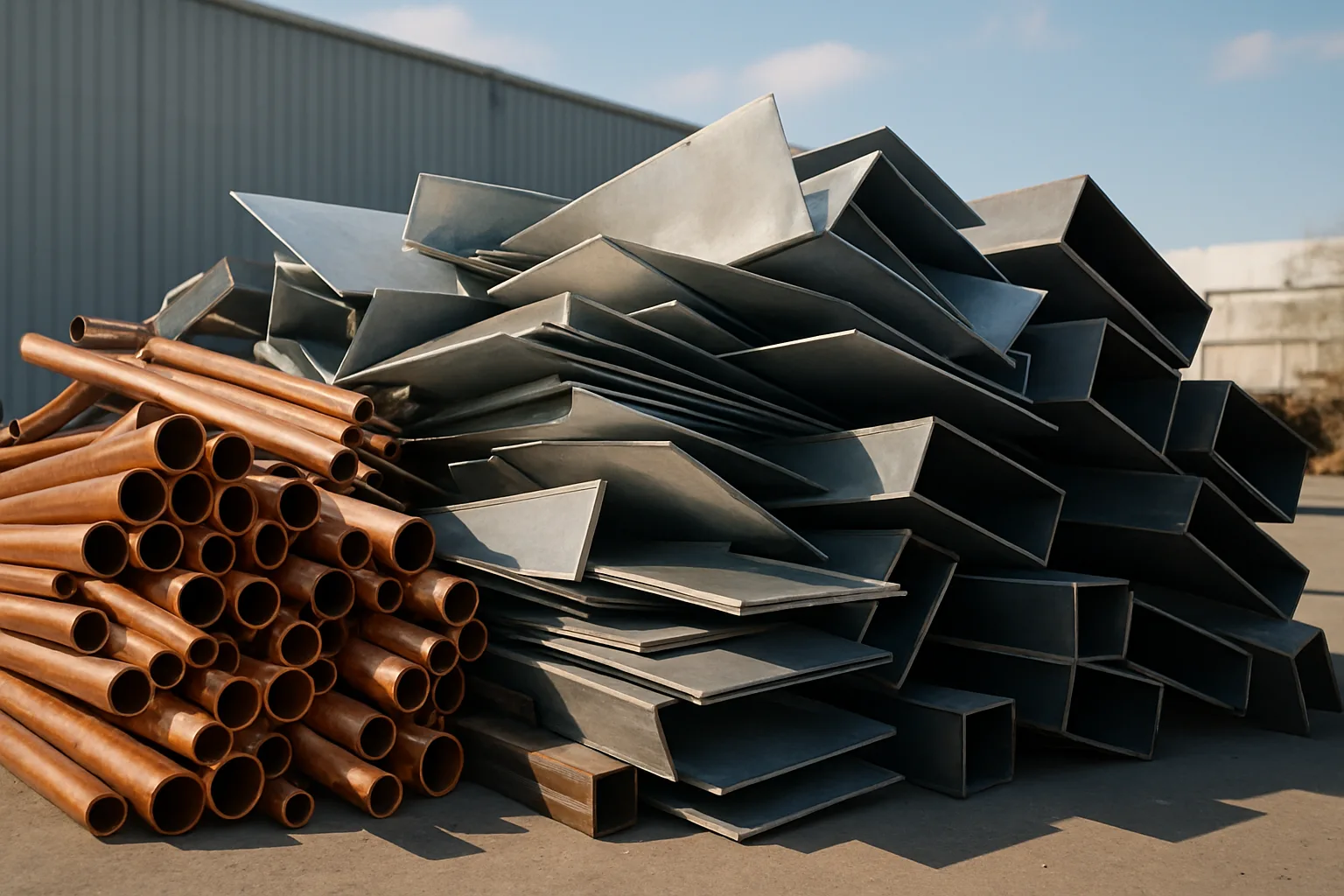
Construction and demolition waste isn't one thing. It's copper wiring pulled from walls, aluminum conduit, structural steel beams, rebar, HVAC components, cast iron pipe, and sometimes entire loads of mixed non-ferrous. Each material has a different value, a different handling requirement, and a different buyer profile. Treating it all the same — or worse, skipping the sort — is leaving money behind.
Here's a breakdown of the most common metal streams from C&D sites:
- Copper: Stripped wiring, plumbing pipe, bus bars, and electrical components. Copper is one of the highest-value non-ferrous metals by weight — sell your scrap metal on GetMyScrap and get a real number on what your copper load is worth before you commit to a single buyer.
- Aluminum: Window frames, siding, conduit, roofing, and structural extrusions. Aluminum scrap value per pound fluctuates with LME benchmarks, but clean, sorted aluminum consistently commands better pricing than mixed loads.
- Steel and rebar: The backbone of any structure. High volume, lower per-pound value than non-ferrous, but the weight adds up fast on a commercial demo.
- Cast iron and ductile iron: Found in older plumbing systems, radiators, and industrial buildings. Heavier and denser — worth separating from lighter ferrous material.
- HVAC and mechanical equipment: Older systems are loaded with copper coils, aluminum fins, and steel housings. Don't let HVAC equipment go out as mixed scrap.
- Catalytic converters: If you're demolishing sites with fleet vehicles or machinery on-site, those cats have real value. If you want the best price for catalytic converters, documentation and serial tracking matter — we'll cover that below.
A mid-size commercial demolition in a Texas market can generate anywhere from a few hundred to several thousand pounds of recoverable metal. At scale, that's not a rounding error — that's revenue your crew is generating that deserves to be captured properly.
How the Old Way of Selling C&D Scrap Fails Contractors
Most contractors still sell scrap the same way they did twenty years ago. One call to a local yard. One price offered. Load goes in, check comes out, and nobody asks whether there was a better number sitting across town. That model works fine when metal prices are stable and your volume is low. In 2026, with commodity markets moving faster and more buyers operating regionally, it's a costly habit.
The single-buyer approach has three built-in problems. First, you have no price discovery — you don't actually know if the number you got was fair, competitive, or bottom-of-market. Second, sorting and documentation often gets skipped because the yard doesn't reward it. Third, the relationship favors the buyer, not you. They know the market. You don't. That's a structural disadvantage, and it compounds over time.
Platforms like SMASH exist precisely to fix this. Instead of one call and one number, you get vetted buyers competing for your load. You get transparency on what the market is actually willing to pay. And you have documentation tools — photo capture, weight records, packing lists — that support better pricing and cleaner transactions. If you want to find the best price for your scrap on SMASH, the process is built around competition, not guesswork. That's the core difference.
Why San Antonio's C&D Market Is a Major Scrap Source Right Now
San Antonio has been in a sustained building cycle. Infrastructure investment, commercial development, residential expansion, and ongoing municipal projects have all contributed to a high-volume C&D environment across the metro. That activity generates scrap — consistently, at scale, across dozens of active sites at any given time.
For contractors operating in this market, the opportunity is real. Local San Antonio scrap metal services can help you move loads efficiently, but the key is getting competitive pricing — not just convenient pickup. In a market this active, buyers want material. That demand should work in your favor, and it will if you're set up to let multiple buyers compete rather than defaulting to whoever answers the phone first.
Texas also has a well-established scrap infrastructure, but size doesn't guarantee the best price. Larger regional yards set prices based on their margin requirements, not your interests. Knowing your options — including B2B scrap metal marketplace platforms designed for commercial volume — puts the leverage back where it belongs: with the seller.
Sorting, Documentation, and Why It Changes Your Price Per Pound
There's a direct correlation between how well a load is sorted and documented and what a buyer is willing to pay for it. A clean copper load — one grade, accurately described, with photos — commands a different price than a bin of mixed wire and connectors. The buyer takes less risk. The sorting cost is yours, but the return is real and measurable.
On C&D sites, a few practical steps make a significant difference:
- Designate separate bins by material type from day one. Retrofitting a sort at the end of a demo is expensive and often incomplete.
- Photograph everything before it moves. Documented loads get better confidence from buyers, especially on a B2B scrap metal marketplace where buyers can't physically inspect before bidding.
- Weigh and record loads on-site where possible. Accurate weight data eliminates disputes and supports better pricing.
- Track serial numbers on high-value components — catalytic converters, compressors, motors. This is increasingly required in Texas and protects you legally as well as commercially.
- Keep your bills of lading and manifest paperwork clean. Buyers who see organized documentation are more likely to return — and more likely to compete hard on your next load.
SMASH's inventory tool and photo documentation features are built for exactly this workflow. You don't need a separate system — the platform handles it as part of the transaction. That means the documentation that protects you legally is also the same documentation that gets buyers to bid higher. Two problems, one process.
Getting the Best Scrap Metal Prices San Antonio Has to Offer — For Commercial Volume
If you're a contractor or demo operator generating consistent volume, the pricing dynamic should be different from a residential seller bringing in a trunk full of wire. Commercial volume means leverage — but only if you're positioned to use it. A single-buyer relationship doesn't unlock that leverage. Competition does.
Here's what a smarter process looks like for C&D operators:
- Sort loads by grade before you move them — aluminum, copper, ferrous, and mixed non-ferrous should never go out in the same bin if you can help it.
- Document weight and grade for each load. The more specific the listing, the better the bids.
- List loads through a platform like SMASH where vetted buyers compete. More buyers means better price discovery — that's not a slogan, it's how markets work.
- Use consistent partners but don't commit exclusively. Your volume deserves ongoing competition, not a standing arrangement that benefits only one side.
Whether you're stripping copper from a commercial renovation or demolishing a warehouse full of steel and aluminum, the principle is the same: get a fair price for your scrap today by making buyers compete for it. That's the core of what SMASH is built to do. And in a market as active as San Antonio in 2026, there's no reason to leave that money on the table.
Ready to turn your next demo load into real revenue? Explore scrap metal selling guides to get smarter about what you have, what it's worth, and how to move it — then request a pickup at getmyscrap.com and let the market come to you.
Frequently Asked Questions
Q: What types of scrap metal are most valuable on a construction or demolition site?
Copper is typically the highest-value material by weight — wiring, pipe, and electrical components all carry strong per-pound pricing. Aluminum (conduit, framing, extrusions) is close behind. Steel and rebar move in higher volumes but at lower per-pound rates. Sorting by grade before selling is the fastest way to improve your return.
Q: How do I find the best scrap metal prices in San Antonio for commercial loads?
The most reliable method is price discovery through competition — not a single call to a single yard. Platforms like SMASH connect sellers with multiple vetted buyers, which surfaces what the market will actually pay for your load. For large or repeat C&D volumes, that difference can be significant over time.
Q: Does sorting scrap on-site actually make a difference in price?
Yes — consistently. A sorted, documented load reduces the buyer's risk and handling cost, and buyers price that in. Mixed loads get conservative bids because the buyer has to account for the sorting labor and uncertainty. Clean copper or clean aluminum will always outperform mixed bins, sometimes by a meaningful margin per pound.
Q: Are there regulations in Texas I need to know about when selling C&D scrap metal?
Texas has regulations around scrap metal transactions, particularly for high-theft materials like copper and catalytic converters. Sellers are generally required to provide identification and may need to document the source of certain materials. Serial tracking and photo documentation — supported by platforms like SMASH — help you stay compliant and protect yourself from liability.
Q: Can I schedule a scrap metal pickup directly for a job site in San Antonio?
Yes. Many scrap services including GetMyScrap support commercial pickups directly from job sites in the San Antonio area. If you have recurring volume from active C&D projects, setting up a consistent pickup schedule is more efficient than hauling to a yard yourself — and you still get market-competitive pricing.
Stay current on scrap metal market trends, pricing shifts, and industry news by following SMASH on LinkedIn — built for yards and buyers who want to know what's actually moving the market.
Disclaimer: Scrap metal prices fluctuate based on commodity markets, grade, and regional demand. All pricing references in this article are general in nature. Check current rates before selling any load.