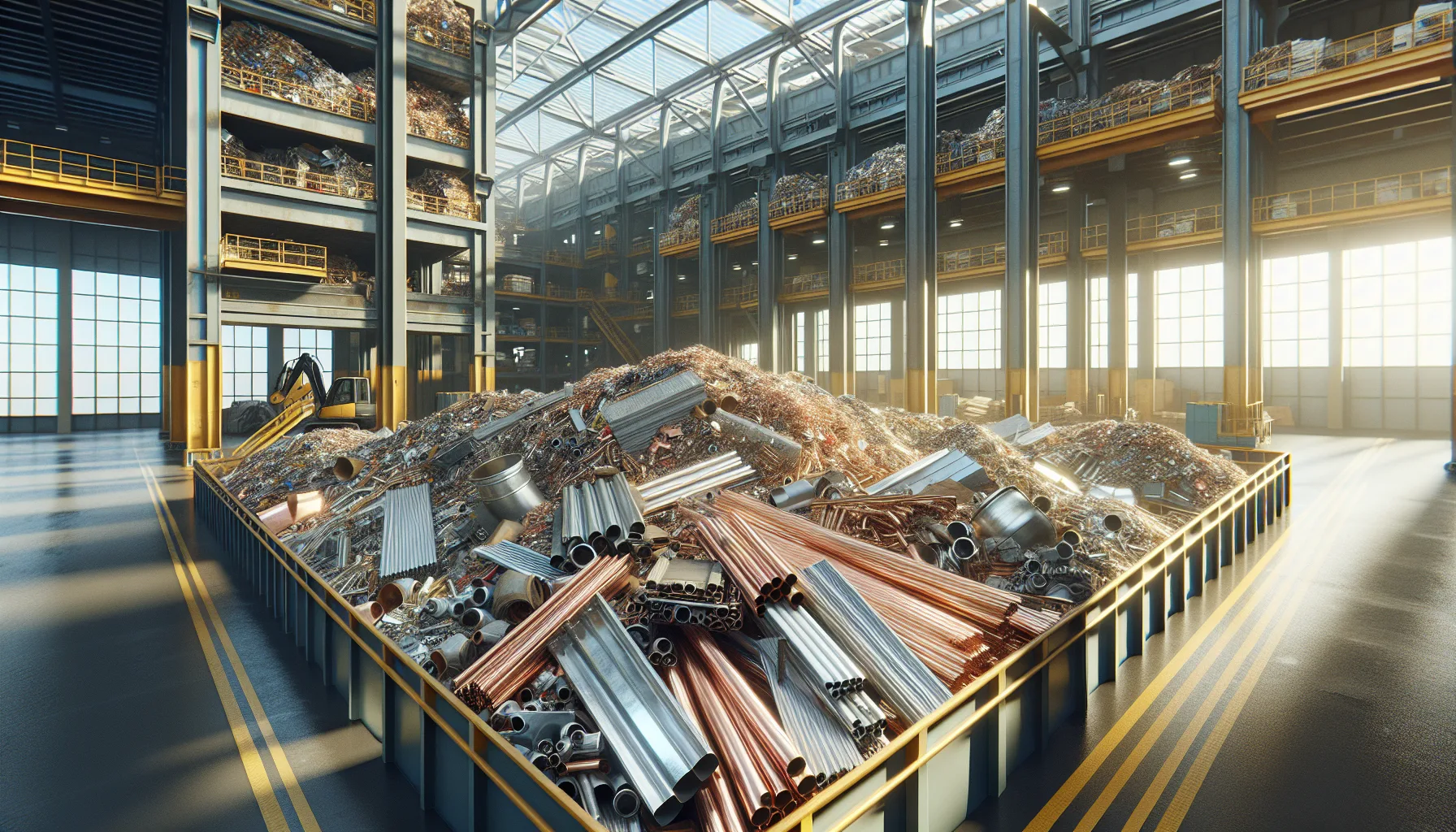
Understanding how construction and demolition sites generate scrap metal — and how to capture its value — has become essential for contractors looking to improve their bottom line while meeting sustainability goals. With scrap metal prices today showing strong performance across multiple categories, the timing couldn't be better to implement proper scrap recovery strategies.
Major Sources of Scrap Metal in Construction Projects
Construction sites generate scrap metal through multiple phases of development. During site preparation and foundation work, contractors often uncover buried infrastructure including old water pipes, electrical conduits, and forgotten utility lines. These discoveries frequently yield copper, cast iron, and steel materials that command premium prices in today's market.
Structural steel represents the largest volume category from new construction. Beam cutoffs, rebar trimmings, and fabrication waste accumulate quickly on active job sites. A typical commercial building project generates 2-4 tons of structural steel scrap — material that trades at competitive rates when properly sorted and prepared for sale.
Electrical and plumbing rough-in phases produce high-value copper scrap. Wire strippings, pipe cutoffs, and fixture replacements create steady streams of materials that consistently rank among the most valuable in scrap metal recycling. HVAC installations contribute aluminum ductwork scraps and copper refrigerant lines, both materials with strong market demand.
Roofing projects generate substantial aluminum and steel scrap through tear-offs and material handling. Commercial roofing systems often contain significant quantities of recoverable metals, from aluminum flashing to steel structural components. These materials maintain good market value when separated properly from non-metallic roofing waste.
Demolition Sites: The Scrap Metal Goldmine
Demolition projects produce exponentially more scrap metal than new construction. Industrial demolitions can yield 50-200 tons of recoverable metals per project, making proper scrap management a critical profit center rather than an afterthought.
Selective demolition maximizes scrap value by carefully removing high-value metals before general teardown begins. Copper plumbing systems, electrical panels, and aluminum fixtures command premium prices when extracted intact rather than crushed with general debris. This approach requires upfront planning but delivers significantly higher returns.
Heavy machinery and equipment removal creates another major scrap category. Industrial sites often contain substantial amounts of process equipment, structural steel, and specialized machinery components. These materials typically contain high-grade steels and specialty alloys that bring top-tier pricing in scrap metal markets.
Building systems deconstruction reveals hidden value throughout structures. From steel reinforcement in concrete to aluminum window frames, methodical demolition uncovers materials that might otherwise end up in landfills. Minnesota contractors have found success implementing systematic deconstruction protocols that identify and preserve valuable metals throughout the demolition process.
Optimizing Scrap Recovery Operations on Job Sites
Successful scrap recovery starts with proper planning before ground breaks. Site managers who integrate scrap collection into their project workflows consistently achieve better results than those treating it as an end-of-project cleanup task. Designated collection areas prevent valuable metals from being contaminated with general construction waste.
Sorting protocols make the difference between marginal and profitable scrap operations. Copper, aluminum, and different steel grades command different market prices — mixing them reduces overall value. Simple color-coded collection systems help crew members properly separate materials without extensive training or workflow disruption.
When contractors sell your scrap metal on GetMyScrap, proper preparation and sorting directly impacts pricing. Clean, sorted materials consistently bring higher offers than mixed loads requiring additional processing. Investment in basic sorting infrastructure pays dividends throughout project lifecycles.
Documentation and tracking systems help optimize scrap recovery over time. Projects that monitor scrap generation patterns can better predict future volumes and plan collection logistics accordingly. This data becomes valuable when negotiating scrap pickup schedules and pricing with recycling partners.
Current Market Dynamics Affecting Construction Scrap Values
Market conditions in 2026 have created favorable conditions for construction scrap metal sales. Infrastructure spending and manufacturing demand continue driving strong pricing across major categories, particularly for copper and aluminum materials commonly found on construction sites.
Supply chain considerations affect scrap metal pricing cycles throughout the year. Construction activity peaks during favorable weather months, creating seasonal variations in scrap availability. Contractors who understand these cycles can time their sales to maximize returns, particularly for high-volume materials like structural steel.
Transportation costs represent a significant factor in scrap metal profitability. Projects located near processing facilities typically achieve better net returns than remote locations requiring long-haul transportation. St. Paul contractors benefit from proximity to major recycling infrastructure throughout the Twin Cities metropolitan area, making scrap recovery more economically viable.
Digital platforms have transformed how construction companies access scrap metal markets. Modern auction systems like SMASH connect sellers directly with processors and end users, often delivering better pricing than traditional broker relationships. These platforms provide real-time market data that helps contractors make informed decisions about when and how to sell their recovered materials.
Local Regulations and Environmental Considerations
Minnesota environmental regulations increasingly emphasize waste diversion from landfills, creating both compliance requirements and economic opportunities for construction contractors. Proper scrap metal recovery helps projects meet sustainability goals while generating revenue streams that offset disposal costs.
Permit conditions for construction projects often include waste diversion targets that scrap metal recovery can help achieve. Documentation of metal recycling activities supports compliance reporting and can contribute to LEED certification points for qualifying projects.
Contamination prevention remains critical for both environmental compliance and scrap value preservation. Lead paint, asbestos, and chemical contamination can render otherwise valuable metals unsaleable or require expensive specialized processing. Proper hazardous material abatement before metal removal protects both worker safety and scrap metal value.
Local waste management ordinances in St. Paul and surrounding communities often provide incentives for construction waste recycling. Understanding these regulations helps contractors maximize both compliance benefits and scrap metal revenues from their projects.
Technology and Innovation in Construction Scrap Management
Digital platforms are revolutionizing how construction companies approach scrap metal sales. Instead of relying on traditional brokers or local yards, contractors can now access broader markets through smashscrap.com and similar auction platforms that connect sellers directly with processors nationwide.
Mobile applications enable real-time scrap metal pricing and pickup scheduling directly from job sites. These tools help site managers make immediate decisions about collection timing and sales strategies without leaving active work areas. Integration with project management software streamlines documentation and profit tracking.
Advanced sorting technologies are making their way onto larger construction sites. Magnetic separation systems and metal detectors help identify valuable materials that might otherwise be overlooked in traditional cleanup processes. While these technologies require capital investment, they often pay for themselves on larger demolition projects.
When you get a fair price for your scrap today, modern platforms provide transparency and competitive bidding that traditional relationships couldn't match. This technological evolution benefits contractors by ensuring they receive market-rate pricing for their recovered materials.
Building Profitable Scrap Metal Programs
Successful construction scrap programs require buy-in from project teams at all levels. Training crew members to recognize valuable materials and follow sorting protocols creates consistent results across multiple projects. Simple incentive programs that share scrap revenues with crews often improve participation and material quality.
Partnerships with specialized scrap metal companies can streamline logistics and improve profitability. Companies that handle pickup, sorting, and sales allow construction teams to focus on their core competencies while still capturing scrap value. SMASH facilitates these partnerships by connecting construction companies with qualified scrap metal processors.
Volume planning helps optimize both operational efficiency and pricing. Contractors who coordinate scrap pickup schedules across multiple active projects can often negotiate better rates and reduce per-ton transportation costs. Seasonal planning allows companies to time sales during favorable market conditions.
Performance tracking identifies opportunities for continuous improvement. Projects that monitor scrap generation rates, material quality, and sales proceeds can refine their processes over time. This data helps with future project bidding by accurately accounting for scrap revenue potential.
For contractors ready to maximize their scrap metal recovery potential, platforms like SMASH make it easier than ever to access competitive markets and achieve fair pricing. Whether you're managing a small renovation or a major demolition project, proper scrap metal management can significantly impact your bottom line while supporting environmental sustainability goals.
The construction industry's massive scrap metal generation represents both challenge and opportunity. Companies that develop systematic approaches to metal recovery position themselves for improved profitability while meeting evolving environmental expectations. To explore scrap metal selling guides and learn more about optimizing your recovery operations, comprehensive resources are available to help you get started.
Frequently Asked Questions
Q: What types of scrap metal are most valuable from construction sites?
Copper wiring and plumbing materials typically command the highest prices, followed by aluminum and stainless steel components. Clean, sorted materials always bring better pricing than mixed loads requiring additional processing.
Q: How do current scrap metal prices today compare to last year?
Scrap metal prices in 2026 remain strong across major categories, with copper and aluminum showing particularly good performance. Market conditions vary by region and material type, so checking current rates regularly helps optimize timing for sales.
Q: Can small construction projects generate meaningful scrap metal revenue?
Even small renovation projects can generate several hundred dollars in scrap metal value when materials are properly sorted and prepared. The key is establishing efficient collection and sorting processes regardless of project size.
Q: What regulations apply to scrap metal sales from construction sites in Minnesota?
Minnesota requires proper documentation for scrap metal sales and compliance with environmental regulations regarding hazardous material handling. Most legitimate scrap metal buyers will guide sellers through compliance requirements.
Q: How can contractors find reliable scrap metal buyers in the St. Paul area?
Digital platforms like SMASH connect construction companies with verified buyers throughout Minnesota, providing competitive pricing and reliable pickup services. Local scrap yards also serve the market, though online platforms often deliver better pricing through competitive bidding.
Ready to turn your construction site's metal waste into profit? Get a fair price for your scrap metal — request a pickup at getmyscrap.com and start maximizing the value from every project.
Follow SMASH on LinkedIn for the latest industry updates and scrap metal market insights to stay ahead of pricing trends and opportunities.