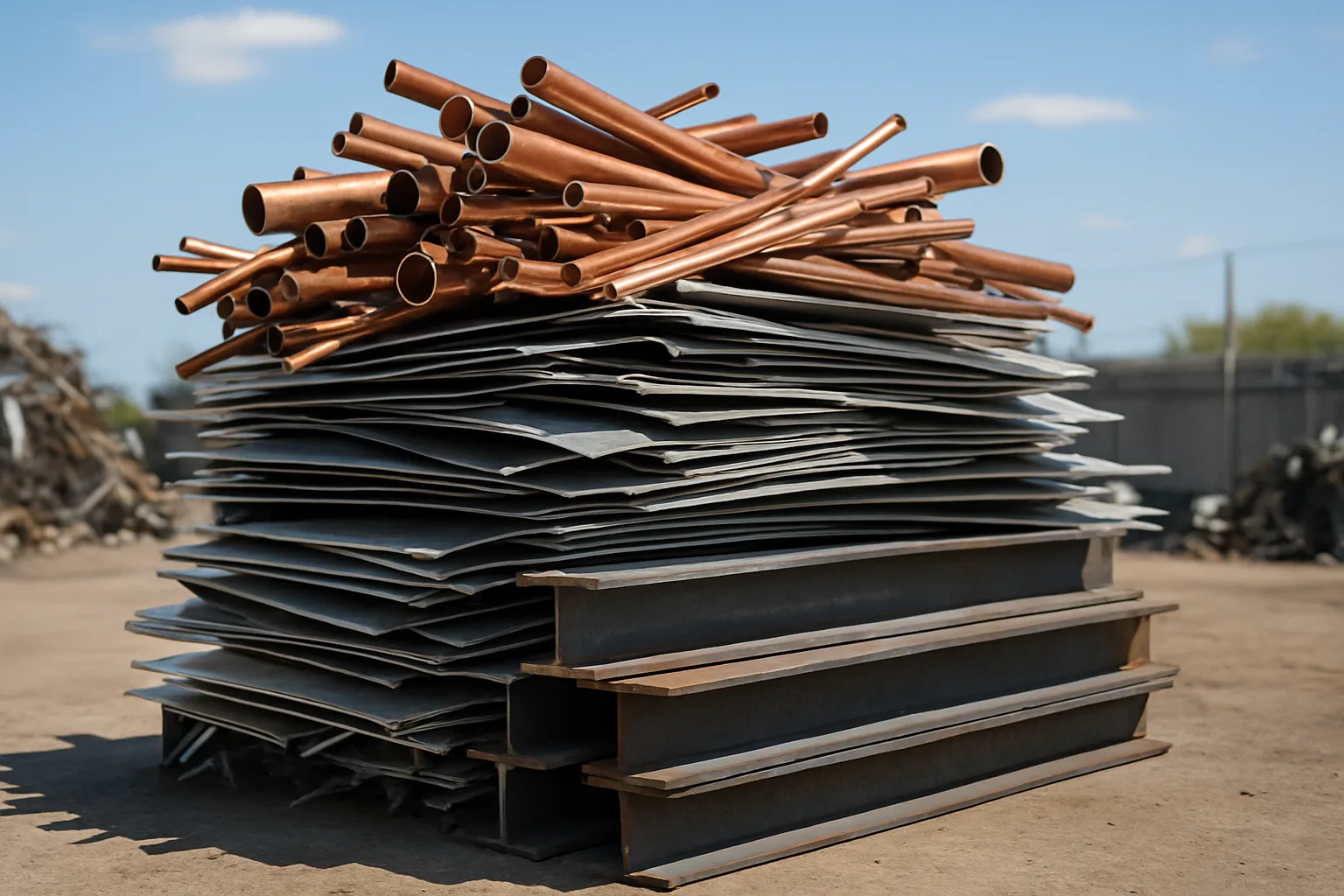
Copper is sitting in your walls, your garage, your job site — and most people have no idea what it's actually worth. If you're doing scrap metal recycling Buffalo without knowing how copper grades work, you're probably leaving money on the table every single time you sell.
Copper is one of the most valuable non-ferrous metals in the scrap market. But "copper" isn't one thing. Bare bright wire and contaminated pipe aren't priced the same. Not even close. The grade determines the payout — and most casual sellers don't know the difference until they're already at the window.
This guide breaks down copper grading, current price trends, and how to position your material to get the best return — whether you're a one-time seller or moving loads regularly through western New York.
Why Copper Scrap Prices in Buffalo Matter Right Now
The copper market in 2026 has been anything but quiet. Global demand for copper — driven by electrification, EV infrastructure buildout, and grid upgrades — has kept upward pressure on prices even as economic conditions fluctuate. That's good news for sellers. It means well-graded, clean copper is in real demand, and buyers are competitive for quality material.
For yards and sellers in Buffalo, that competition matters. Western New York has solid industrial and construction activity — demo jobs, rewiring contracts, HVAC replacements — all of which generate copper scrap. But local market prices can vary more than people expect. Copper scrap prices Buffalo sellers see at one yard may differ by 10–20 cents per pound from what a competitive buyer would actually pay.
That spread is real money. On a 500-pound load of #1 copper, the difference between a weak local offer and a competitive market price could be $50–$100 or more. That's why it pays — literally — to understand the market and use platforms that create buyer competition. More on that below.
Disclaimer: Copper prices fluctuate daily based on commodity markets. Always check current rates before selling. The price ranges referenced in this article are illustrative only and not guarantees.
Copper Grading Explained: From Bare Bright to Light Copper
Copper grades are determined by cleanliness, alloy content, and form. Here's how the main grades break down — from highest value to lowest:
#1 Bare Bright Copper (Bare Bright Wire)
This is the top grade. Bare bright is uncoated, unalloyed, unsoldered copper wire — 16 gauge or larger, clean and shiny. No insulation. No coating. No oxidation. Think freshly stripped electrical wire. Yards pay a premium for this because it goes straight to the smelter with minimal processing. If you're stripping wire on a rewiring job and keeping it clean, this is what you're targeting.
#1 Copper
Clean copper pipe and wire with no fittings, solder, paint, or insulation. Bus bars, clean tubing from plumbing jobs, unalloyed copper clippings. It can have some oxidation but must be free of contamination. This is the grade most HVAC and plumbing contractors deal with regularly. You won't get bare bright prices, but it's close — and it's a realistic, achievable grade for trade work.
#2 Copper
Copper with solder, fittings, minor paint, or light insulation that hasn't been fully stripped. Old pipe pulled off a demo job with some connections still attached. This grade is more accessible for contractors and homeowners, but you take a hit on price. The difference between #1 and #2 can be $0.25–$0.50 per pound depending on the market — which adds up fast on a full load.
Insulated Copper Wire (ICW)
This covers wire that still has its plastic or rubber coating. The payout depends on the copper recovery percentage — thick insulation on thin wire gets a much lower price than lightly coated romex. Yards often have multiple sub-grades here (romex, THHN, communication wire, Christmas lights). Know which type you have. Don't mix them unless you want to be priced at the lowest common denominator.
Light Copper / #3 Copper
Heavily corroded, coated, painted, or otherwise contaminated copper. Thin-wall tubing, copper mixed with other materials. This is the grade most yards will pull out if you show up with a mixed, unprocessed pile. Sort your material. Even spending 30 minutes separating grades before your sale can meaningfully increase your payout.
How to Maximize Your Copper Payout Before You Sell
Sorting is the single highest-ROI activity a scrap seller can do before hitting the yard. Here's a practical checklist:
- Strip your wire. If you have the time and volume, stripping insulated wire to get bare bright pays off fast. Even getting from ICW to #1 can be worth $0.30–$0.60/lb on decent volume.
- Remove fittings. Cut off brass fittings, solder joints, and mixed connectors to move material from #2 to #1.
- Separate by grade. Don't mix bare bright with romex. Don't throw heavy gauge wire in with communication wire. Each grade should be in its own bin or bag.
- Document with photos. If you're selling online or to a remote buyer, good photos of your material — especially the grade and condition — give buyers confidence. This matters when you're selling through an auction platform.
- Know your weight. Use a scale before you go. Walking in blind gives the yard leverage. Knowing your approximate weight puts you in a better position to evaluate the offer.
These steps apply whether you're selling 50 pounds out of a basement cleanout or 2,000 pounds off a commercial job site. The fundamentals don't change with volume — the stakes just get higher.
Sell Scrap Metal Online: Why Competitive Auctions Beat a Single Phone Call
The traditional model of selling copper scrap is simple: call your local yard, take what they offer, drive over. That model has one major flaw — you have exactly one data point. One offer. No competition. No way to know if you're being priced fairly or just accepting a number because it's the only one on the table.
When you sell scrap metal online through a platform like the SMASH scrap metal auction marketplace, you change the dynamic entirely. Instead of one buyer, multiple vetted buyers see your load and compete for it. Competition can help reveal the real market price for your material — not just what one local yard feels like paying that day.
SMASH handles vetted buyer networks, photo documentation, and the paper trail — BOLs, packing lists, invoicing. For copper sellers with consistent volume, that means less time on the phone chasing prices and more time moving material. If you want the best scrap metal prices available for your copper, a competitive format is a better structure than a single cold call.
For sellers in Buffalo and across New York, sell your scrap metal on GetMyScrap — the platform connects you with buyers who are actually competing for your load. That's a fundamentally different experience than walking into one yard and hoping for the best.
Buffalo Copper Scrap: Local Context and What to Expect
Buffalo sits in a region with strong construction, demo, and industrial activity. That means consistent copper scrap generation — from residential rewiring projects, old commercial HVAC teardowns, and industrial equipment. If you're doing this work in western New York, you're likely accumulating copper regularly.
Yards in the Buffalo area buy copper across all grades, but pricing can vary significantly between locations and on different days. LME (London Metal Exchange) copper prices move daily, and local yards set their buy prices with a margin built in. That margin is what you're working to minimize by getting competitive offers.
One smart move for Buffalo-area sellers: don't make the mistake of selling small loads piecemeal when you could aggregate and sell a larger, better-documented load. Larger loads attract more serious buyers. Better documentation — weights, grades, photos — builds buyer confidence and often supports a stronger offer. The Buffalo scrap metal services available through GetMyScrap are set up to handle exactly this kind of seller, whether you're a first-timer or a regular contractor.
New York state has active scrap dealer regulations, including seller ID requirements and transaction records for non-ferrous metals. Know the rules before you sell — legitimate platforms and compliant yards will have the documentation process built in.
Getting the Best Scrap Metal Prices: The Bottom Line
There's no magic trick to getting best scrap metal prices in New York for your copper. It comes down to preparation, information, and access to real buyer competition. Sort your material. Know your grades. Document what you have. And don't accept the first number you're handed without knowing whether there's a better one available.
Platforms like SMASH exist because the old model — one buyer, one price, no transparency — doesn't serve sellers well. Competition does. Whether you're selling a single load of bare bright off a rewire job or moving mixed copper regularly from a demo yard, you deserve to know what your material is actually worth on the open market.
Ready to stop guessing? Get a fair price for your scrap today — GetMyScrap connects Buffalo-area sellers with buyers who compete for quality material. And if you want to go deeper on the selling process, explore scrap metal selling guides built for sellers at every level.
When you're ready to move your copper, don't leave money sitting on the table. Request a pickup or get a quote at getmyscrap.com — and let the market work in your favor for once.
Frequently Asked Questions
Q: What is the best grade of copper I can sell for scrap in Buffalo?
Bare bright copper wire is the highest-paying grade at most yards. It must be clean, uncoated, unalloyed copper wire, 16 gauge or heavier, with no insulation or solder. Strip your wire and keep it clean before selling to maximize your payout per pound.
Q: How do I find the best copper scrap prices near me in Buffalo?
Don't rely on a single yard's posted price. Use an online platform that connects you with multiple vetted buyers so their offers compete for your material. Prices fluctuate daily based on commodity markets, so check rates and compare before committing to a sale.
Q: Can I sell small amounts of copper scrap, or do I need a full load?
Most scrap yards in the Buffalo area will buy copper in any quantity. However, aggregating your material into larger loads and sorting it by grade typically gets you better per-pound pricing and attracts more competitive buyers. If you're selling regularly, consider holding material until you have a meaningful volume.
Q: Do I need ID to sell copper scrap in New York?
Yes. New York state law requires scrap dealers to record seller identification for non-ferrous metal transactions, including copper. Bring a valid government-issued ID. Legitimate yards and platforms will have this process built into their intake — it's standard compliance, not a red flag.
Q: Is it worth stripping insulated copper wire before selling?
Generally yes, if you have the time and volume to make it worthwhile. Moving from insulated wire to bare bright can add significant value per pound. The math depends on your labor time versus the price spread at your yard — but on larger volumes, stripping usually pays off clearly.
Stay sharp on copper prices and scrap market trends — follow SMASH on LinkedIn for industry updates, market insights, and scrap selling tips.