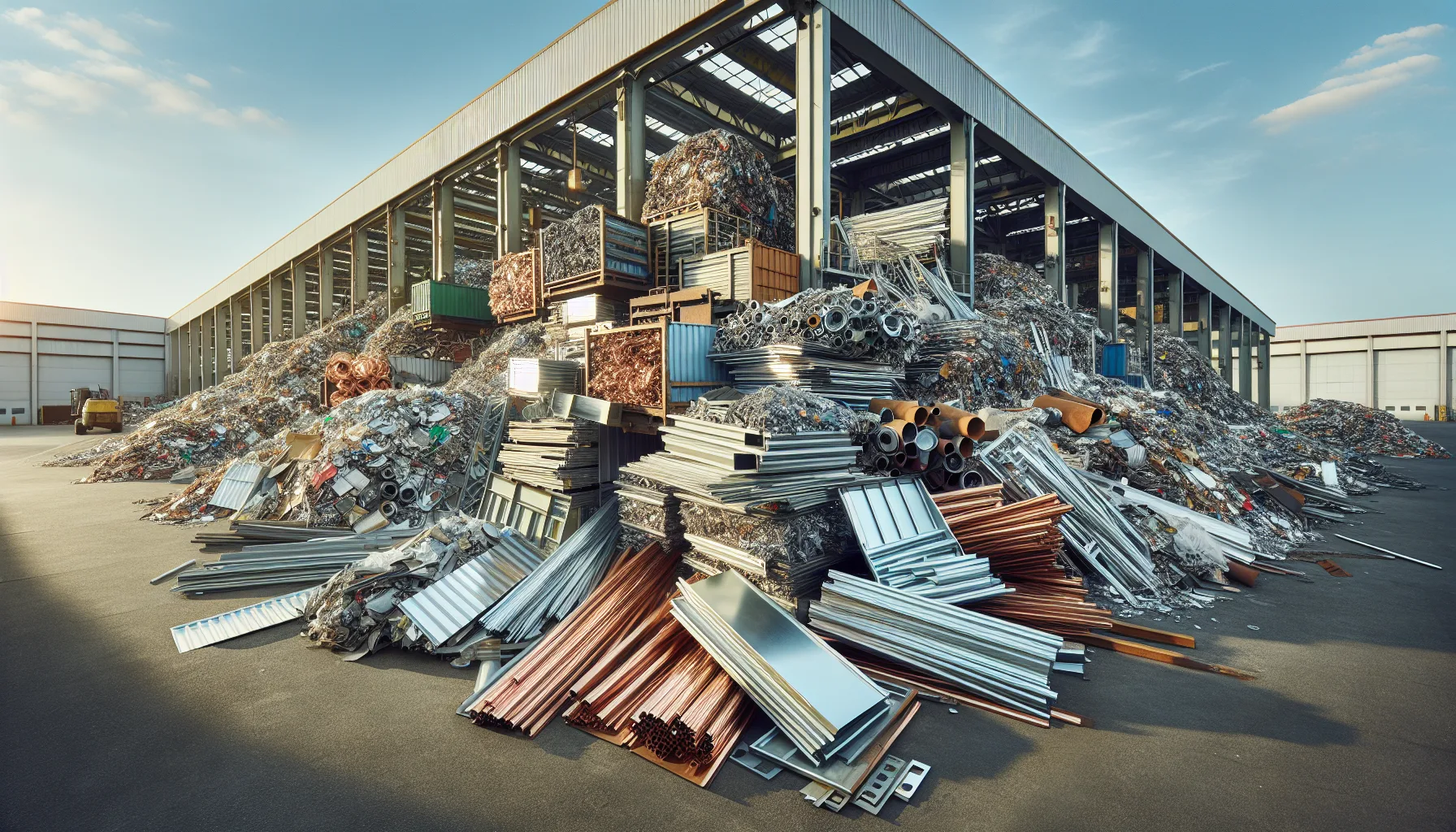
Understanding Copper Scrap Grading Systems for Maximum Profit
Copper scrap recycling represents one of the most profitable opportunities in the scrap metal recycling Boston market. Whether you're cleaning out old plumbing from a renovation or collecting wire from electrical work, understanding how copper gets graded directly impacts your payout. The difference between #1 and #2 copper can mean hundreds of dollars on larger loads.
Most recyclers classify copper into distinct grades based on purity, contamination levels, and physical condition. Bare bright copper commands the highest prices — think clean, uncoated wire thicker than 16 gauge with no solder, paint, or oxidation. This premium grade typically sells for 95-98% of the London Metal Exchange (LME) copper price.
#1 copper follows closely behind, including clean copper pipe, tubing, and wire with minimal oxidation. The key difference? #1 copper can have slight tarnishing but no coatings, alloys, or attachments. Massachusetts scrap yards typically price #1 copper at 85-90% of LME rates.
#2 copper encompasses mixed clean copper with some oxidation, painted surfaces, or solder attachments. Old radiators, brass fittings mixed with copper, and weathered copper gutters fall into this category. Expect prices around 75-80% of current market rates for #2 grade material.
Current Copper Scrap Prices Boston Market Analysis
Copper scrap prices Boston dealers offer fluctuate daily based on global commodity markets, local supply levels, and seasonal demand patterns. Spring 2026 has brought increased construction activity across Massachusetts, driving steady demand for recycled copper materials.
Local factors significantly impact pricing beyond global trends. Boston's robust construction sector and proximity to manufacturing centers in the Northeast corridor create consistent demand. Transportation costs from Boston scrap yards to processing facilities remain relatively low compared to inland markets, often translating to better prices for sellers.
Industrial copper sources — transformer cores, electrical panels, and heavy machinery — typically yield higher per-pound values than residential copper. However, residential sources like old plumbing fixtures and electrical wiring remain excellent income sources for individual sellers.
The smashscrap.com platform tracks real-time pricing data from multiple Boston-area buyers, helping sellers identify the best scrap metal prices Massachusetts facilities offer on any given day. This transparency eliminates guesswork when timing your sale.
Essential Preparation Tips to Maximize Your Copper Value
Proper preparation can increase your copper's value by 20-30% or more. Start by separating copper grades — mixing bare bright copper with lower-grade material reduces your entire load's value to the lowest grade present.
Remove all attachments from copper materials before selling. Steel fittings, brass valves, and plastic insulation should come off completely. Even small amounts of contamination can downgrade your copper's classification and reduce payouts significantly.
Clean your copper thoroughly but avoid harsh chemicals that might leave residues. Simple mechanical cleaning — wire brushes, sandpaper for oxidation removal — works best. Focus on removing paint, solder, and surface contaminants that clearly identify as foreign materials.
Sort by thickness and type. Thin wire requires different handling than heavy copper pipe. Some Boston scrap yards offer premium prices for specific copper forms — architectural copper, for instance, commands higher rates than standard plumbing materials.
Documentation helps with valuable or unusual copper materials. Photos of items before disassembly, especially from commercial sources, can support higher grade classifications during evaluation.
Comparing Boston Area Scrap Yard Pricing Strategies
Different scrap yard near me prices reflect varying business models and operational costs across the Boston metropolitan area. Large-scale operations typically offer competitive base prices but may lack flexibility for unique materials or small loads.
Smaller, family-owned yards often provide more personalized service and may negotiate better rates for regular customers or specialty items. However, their pricing might fluctuate more based on immediate cash flow needs and storage capacity.
Mobile scrap pickup services have expanded throughout Massachusetts, offering convenience but typically at slightly lower per-pound rates to account for transportation and labor costs. For large copper loads or individuals without suitable transportation, mobile services still deliver excellent value.
SMASH connects sellers with multiple buyer types simultaneously, creating competitive bidding environments that often exceed individual yard pricing. The platform's transparency allows you to compare offers from traditional scrap yards, mobile services, and specialized copper processors.
Timing your sale strategically can significantly impact returns. Monday and Tuesday typically see higher activity levels and more competitive pricing as facilities restock after weekend downtime. Month-end periods sometimes bring premium pricing as buyers meet monthly volume targets.
Beyond Copper: Maximizing Mixed Scrap Metal Returns
Many sellers focus solely on copper but miss opportunities with other valuable materials found alongside copper sources. Brass fittings, aluminum components, and even steel attachments have significant value when properly separated and sold.
Catalytic converters represent another high-value opportunity for many Boston-area sellers. If you're already engaged in scrap metal recycling near me activities, learning to identify and properly handle catalytic converters can dramatically increase your overall returns. Platforms that help you sell your scrap metal on GetMyScrap often handle multiple material types efficiently.
Electrical panels and transformers contain substantial copper content alongside steel housings and aluminum components. Breaking these items down properly requires some electrical knowledge but yields excellent returns across multiple metal categories.
HVAC systems combine copper tubing, aluminum fins, steel housings, and sometimes brass fittings. Understanding how to efficiently disassemble these units maximizes value from each component rather than selling as mixed low-grade scrap.
Whether you're dealing with copper exclusively or managing mixed scrap loads, the key lies in understanding each material's unique value proposition and market demands. Professional platforms like SMASH streamline this process by connecting you with buyers who specialize in your specific material mix.
Ready to turn your copper scrap into cash? The Boston market offers excellent opportunities for informed sellers who understand grading systems and current pricing trends. Get a fair price for your scrap today by connecting with verified buyers who value properly prepared materials. Don't let valuable copper sit unused when you can easily convert it to immediate income through professional explore scrap metal selling guides and proven selling platforms.
Frequently Asked Questions
Q: What's the difference between #1 and #2 copper scrap prices in Boston?
#1 copper typically sells for 10-15% more than #2 copper in the Boston market. The difference comes down to purity and contamination levels — #1 copper has minimal oxidation and no attachments, while #2 copper may have paint, solder, or mixed materials that require additional processing.
Q: How often do copper scrap prices change in Massachusetts?
Copper prices fluctuate daily based on London Metal Exchange rates and local market conditions. Most Boston scrap yards update their pricing each morning, with some adjusting multiple times daily during volatile market periods. Using platforms like SMASH helps track these changes in real-time.
Q: Can I sell small amounts of copper wire to Boston scrap yards?
Yes, most Boston area scrap yards accept small copper loads, though minimum quantities may apply. Some facilities have minimum purchase amounts of $20-50 worth of material. Mobile pickup services often have higher minimums but offer convenience for smaller sellers.
Q: What documentation do I need to sell copper scrap in Massachusetts?
Massachusetts requires valid photo ID for all scrap metal sales. Some facilities may request additional documentation for large commercial loads or specialty copper materials. Keep receipts and documentation for valuable items like architectural copper or industrial components.
Q: Should I remove insulation from copper wire before selling?
Yes, removing insulation significantly increases copper wire value. Bare bright copper commands premium prices, while insulated wire sells at much lower rates as mixed material. The labor investment in stripping wire typically pays off well for anything 12 gauge or thicker.
Get a fair price for your scrap metal — request a pickup at getmyscrap.com.
Follow SMASH on LinkedIn for the latest industry updates and scrap metal market insights.