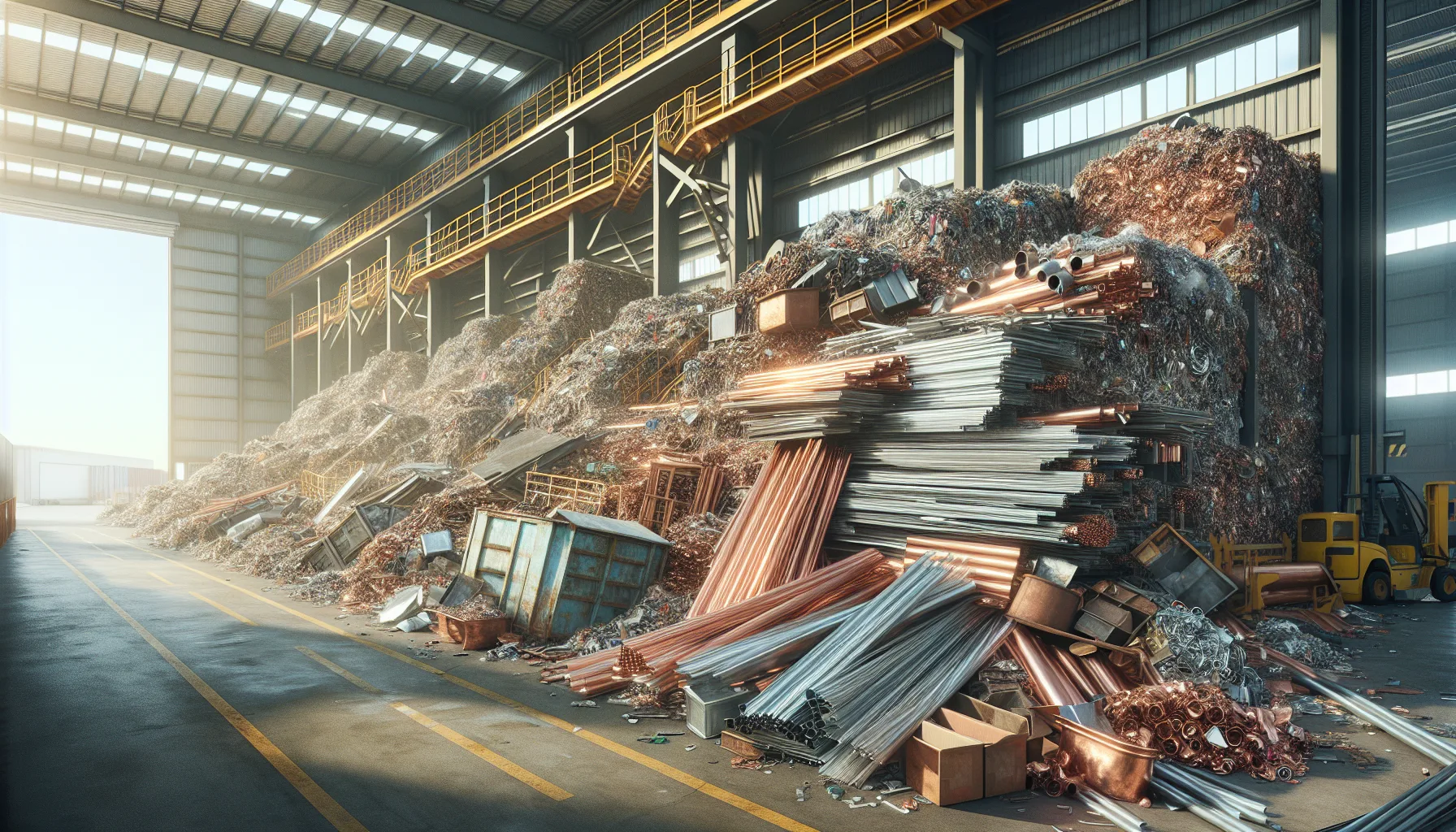
The Reality of Steel Scrap Price Today: A Gary Success Story
When Mike Rodriguez started collecting steel scrap price today data from various yards across Gary, Indiana, he discovered something that changed his entire approach to scrap metal selling. The 47-year-old contractor had been hauling steel beams, rebar, and demolition materials to the nearest yard for years, accepting whatever price they offered. But a conversation with a fellow contractor who used platforms like SMASH opened his eyes to how much money he was leaving on the table.
Mike's transformation from casual scrap seller to strategic metal trader illustrates exactly why understanding scrap metal prices today matters more than ever in 2026. His story proves that with the right knowledge and tools, anyone can maximize their returns on aluminum and steel scrap.
The construction boom in northwest Indiana has created unprecedented opportunities for scrap metal sellers. Yet many contractors and individuals still settle for below-market prices simply because they don't understand how grades affect value or where to find competitive buyers.
Understanding Aluminum Scrap Grades That Command Premium Prices
Mike's breakthrough came when he learned that not all aluminum scrap sells for the same price. The difference between clean aluminum sheet and contaminated mixed aluminum can be substantial — sometimes $0.50 to $1.00 per pound in today's market.
Clean aluminum sheet and plate represents the highest-value category. This includes siding removed from buildings, clean gutters without steel attachments, and aluminum roofing materials. Mike discovered that separating these materials from his mixed loads increased his per-pound returns significantly.
Aluminum extrusion comes next in value. Window frames, door frames, and structural aluminum pieces fall into this category. The key insight Mike learned was removing all steel screws, rubber gaskets, and glass before selling. This extra 15 minutes of preparation per window frame added $2-3 to his total return.
Aluminum cans occupy their own pricing tier. While the per-pound price might seem lower than sheet aluminum, the consistency and clean separation make them valuable. Mike started collecting cans from his job sites and encouraging his crew to separate them. Within three months, this side stream generated an extra $200 monthly.
The SMASH scrap metal auction platform helped Mike understand these grade distinctions by connecting him with buyers who clearly specified their requirements and offered transparent pricing for each grade.
Steel Scrap Preparation Strategies for Maximum Returns
Steel preparation became Mike's second focus area after seeing how scrap metal inventory management affected his bottom line. He implemented a simple sorting system at his Gary workshop that separated heavy melting steel from prepared steel grades.
Heavy melting steel includes thick structural beams, large machinery parts, and demolition materials over 1/4 inch thick. Mike learned to cut these materials into manageable 5-foot sections, which many buyers prefer for handling and processing efficiency.
Prepared steel encompasses lighter materials like sheet metal, appliances without motors, and thin-gauge structural steel. The preparation process involves removing non-ferrous attachments, burning off excessive paint or coating, and ensuring pieces meet size requirements.
Mike's game-changer was discovering that many Gary-area buyers paid premium prices for clean, prepared materials. By investing two hours weekly in proper preparation, he increased his average steel price by 15-20% compared to mixed loads.
When researching scrap metal recycling near me options, Mike found that different yards specialized in different materials. Some focused on automotive scrap, others preferred construction materials. Matching his inventory to specialized buyers through platforms that sell your scrap metal on the SMASH marketplace became a key strategy.
The Copper Opportunity Within Mixed Loads
Mike's biggest discovery involved copper hidden within his steel and aluminum loads. HVAC units contained copper tubing worth $4-6 per pound. Electrical work generated copper wire that commanded premium prices when properly stripped and sorted.
The lesson: every load contains multiple value streams when properly sorted. Mike now allocates 30 minutes per job site visit to identify and separate high-value materials before they get mixed into lower-grade piles.
Timing the Market for Optimal Steel Scrap Price Today
Understanding market timing transformed Mike's results more than any other single factor. Scrap metal prices today fluctuate based on global demand, seasonal construction patterns, and regional supply dynamics. Mike learned to track these patterns and time his sales accordingly.
Spring construction season typically drives up demand for steel scrap as mills increase production for new projects. Mike noticed that prices in Gary often peaked during April and May, making this an optimal time for larger sales. He started accumulating materials during winter months and timing major sales for spring peaks.
Weekly price monitoring became part of Mike's routine. He checked prices Monday mornings and compared offerings from multiple buyers before committing to sales. This simple habit increased his returns by tracking daily price movements that often varied by $20-40 per ton.
The sell your scrap metal on GetMyScrap platform provided Mike with real-time pricing data and buyer comparisons that eliminated guesswork from his timing decisions.
Mike also learned that inventory management affected his timing flexibility. By maintaining organized stockpiles of different grades, he could sell specific materials when their prices peaked rather than dumping everything during price valleys.
Building Relationships with Premium Buyers in Gary
The relationship aspect surprised Mike most about successful scrap selling. Rather than viewing buyers as interchangeable commodity purchasers, he discovered that building relationships with specialized buyers in Gary and throughout Indiana generated consistent premium pricing.
Mike identified three buyer types that served his needs: high-volume commodity buyers for bulk steel, specialty aluminum processors for clean grades, and copper specialists for his electrical materials. Each relationship required different approaches and offered distinct advantages.
Consistency became Mike's relationship-building foundation. By delivering clean, properly sorted materials on predictable schedules, he earned preferred customer status with several buyers. This translated into priority pricing and willingness to accept larger loads during peak demand periods.
Communication proved equally important. Mike learned to call ahead with load descriptions, providing buyers with advance notice about material types and quantities. This simple courtesy often resulted in better prices and faster processing times.
Through platforms that help get a fair price for your scrap today, Mike expanded his buyer network beyond Gary's immediate area. This geographic diversification meant he always had multiple bidders for his materials, creating competitive pricing pressure that increased his returns.
Documentation and Record Keeping for Tax Benefits
Mike discovered that proper documentation of his scrap sales created unexpected tax advantages. Tracking material sources, preparation costs, and transportation expenses allowed him to deduct legitimate business expenses associated with scrap selling.
The organized approach also helped Mike identify his most profitable material sources and preparation methods, creating a feedback loop that continuously improved his efficiency and returns.
Scaling Success: From Side Income to Significant Revenue
Within 18 months of implementing these strategies, Mike's scrap metal income grew from occasional $200-300 sales to consistent monthly returns exceeding $1,500. The transformation came not from working harder, but from working smarter with better knowledge and tools.
Mike's success attracted attention from other contractors in Gary who wanted to learn his methods. He started coordinating group sales that allowed smaller contractors to benefit from bulk pricing typically reserved for larger sellers. This collaborative approach increased everyone's returns while building a network of suppliers for Mike's growing operation.
The scalability impressed Mike most. Once he established efficient sorting and preparation systems, handling larger volumes required minimal additional effort. His time investment shifted from manual labor to coordination and optimization activities that generated higher returns per hour invested.
Technology played a crucial role in scaling. Mobile apps that tracked scrap metal prices near me allowed Mike to make real-time selling decisions from job sites. Digital inventory management helped him optimize load compositions and timing. Online platforms connected him with buyers throughout Indiana and surrounding states.
Mike's advice for others looking to maximize their scrap returns: start with education, invest in proper preparation, and leverage technology to expand your buyer network. The resources exist to help anyone achieve similar results. Platforms like explore scrap metal selling guides provide the knowledge foundation, while marketplace connections ensure competitive pricing for your materials.
Whether you're a contractor like Mike or someone with occasional scrap to sell, the principles remain the same. Understanding grades, preparing materials properly, timing the market, and building buyer relationships will maximize your returns in 2026's competitive scrap metal market. Get a fair price for your scrap metal — request a pickup at getmyscrap.com and start implementing these proven strategies today.
Frequently Asked Questions
Q: How often do steel scrap prices change in Gary, Indiana?
Steel scrap prices typically update weekly, with some buyers adjusting prices multiple times per week based on market conditions. Major price movements often occur Monday mornings when mills announce new pricing. Tracking prices daily helps identify optimal selling opportunities.
Q: What's the difference between prepared and unprepared steel scrap pricing?
Prepared steel scrap generally commands $20-50 per ton premium over unprepared materials. Preparation involves cutting to size, removing attachments, and cleaning off excessive coatings. The extra effort typically pays for itself through higher per-pound pricing.
Q: How can I find the best scrap metal prices near me in Gary?
Compare prices from multiple buyers using online platforms, call local yards for current quotes, and join contractor networks that share pricing information. Building relationships with 3-4 buyers ensures competitive options for different material types.
Q: Is it worth separating aluminum grades for small quantities?
Yes, even small quantities benefit from grade separation. Clean aluminum sheet can bring $0.50-1.00 per pound more than mixed aluminum. For loads over 50 pounds, this separation often adds $25-50 to total returns with minimal extra effort.
Q: What documentation should I keep for scrap metal sales?
Maintain records of material sources, preparation costs, transportation expenses, and sale receipts. This documentation supports tax deductions for legitimate business expenses and helps track which materials and buyers generate the best returns over time.
Stay connected with industry insights and market trends by following SMASH on LinkedIn at https://www.linkedin.com/company/scrap-metal-auction-sales-hub for the latest updates on scrap metal pricing and selling strategies.