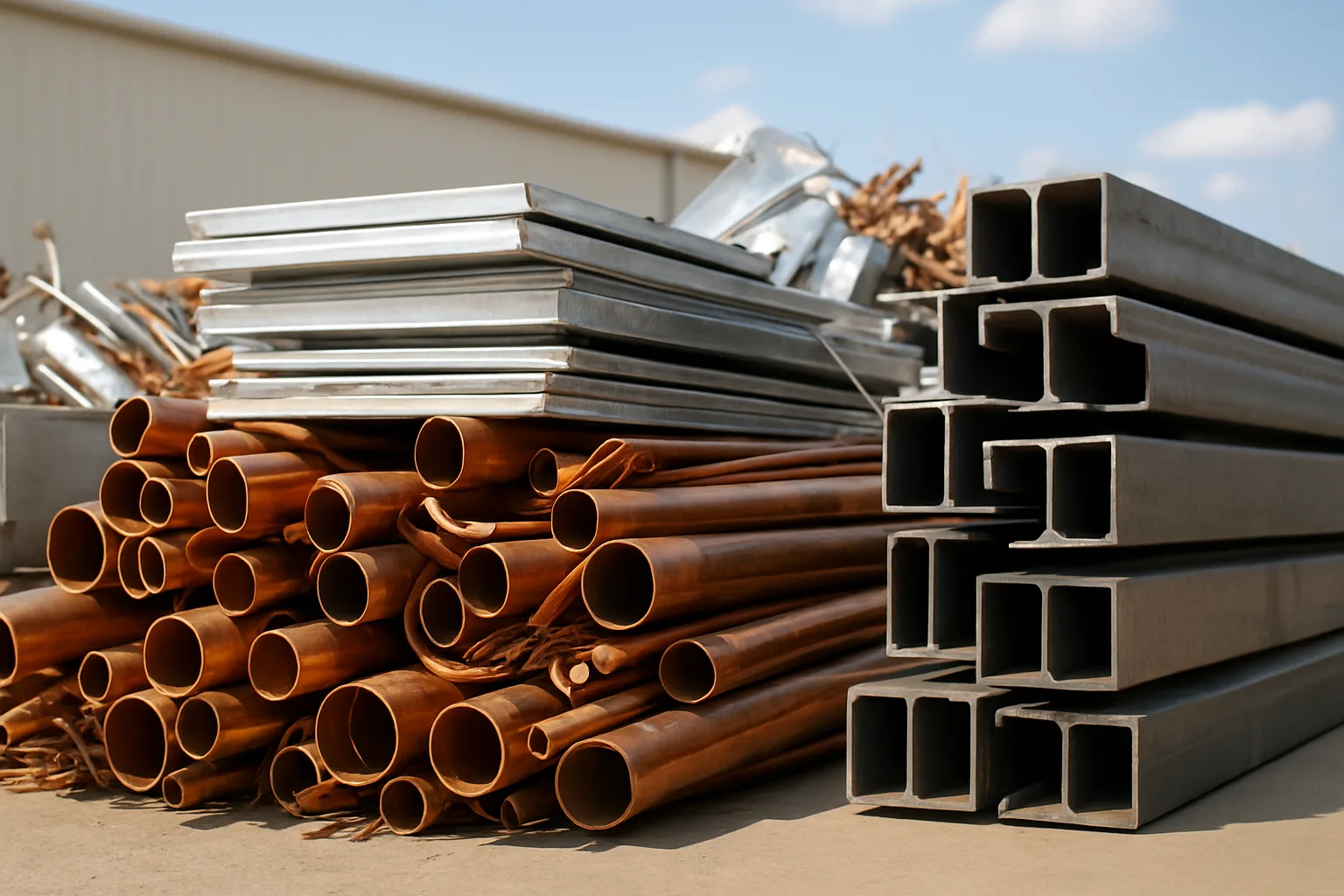
Copper is one of the most valuable metals in your scrap pile — and most sellers leave money on the table because they don't know the difference between a #1 and a #2. If you're trying to sell scrap metal near me New York, copper grading isn't optional knowledge. It's the difference between getting paid what your material is actually worth and walking away short.
This guide breaks down copper scrap grades, what drives price trends in 2026, and how platforms like sell your scrap metal on the SMASH marketplace give sellers real competitive pricing instead of a single yard's take-it-or-leave-it offer.
Why Copper Prices Fluctuate — What's Driving the Market in 2026
Copper doesn't have a fixed price. It moves daily, sometimes hourly, based on global demand, energy costs, and macro supply pressures. In 2026, electrification demand — EVs, grid infrastructure, data centers — continues to push copper consumption higher. That's good news for sellers. But the spread between what the market pays and what a single buyer offers you can still be significant.
What actually moves your local scrap copper price:
- LME (London Metal Exchange) spot price — the global benchmark buyers use to set their daily offers
- Dealer margins — every yard marks down from LME to cover handling, transport, and profit
- Grade and contamination — dirty copper gets heavily discounted; clean #1 commands the best rate
- Volume — larger loads often get better per-pound pricing
- Local market competition — how many buyers are competing for your material
That last point matters. In a market with one dominant buyer, you get their price. In a competitive auction environment, the market sets the price. More buyers means better price discovery — full stop.
Disclaimer: Copper prices fluctuate daily. Always check current rates before selling. The figures referenced here are general market context, not guaranteed offers.
The Complete Copper Scrap Grading Guide — From #1 Bare Bright to Insulated Wire
Grading is where most casual sellers lose money. They show up at a New York scrap yard with a mixed bag of copper and accept whatever grade the buyer assigns. Knowing your grades before you arrive puts you in control of the conversation.
#1 Bare Bright Copper (the top grade)
This is the cleanest, highest-value copper you can bring in. Bare bright is uncoated, unalloyed, unsoldered copper wire or bus bar — typically 16 gauge or heavier, stripped completely clean. No insulation. No paint. No oxidation. No fittings attached. This grade commands the closest price to the LME benchmark.
#1 Copper (Copper Tubing and Heavy Copper)
Clean copper tubing, bus bars, clippings, and wire with no insulation — but it may have minor oxidation or small fittings. It can include copper pipe from plumbing jobs as long as it's reasonably clean. Still a premium grade, just not quite bare bright.
#2 Copper
This is the most common grade sellers bring in. It includes copper pipe with solder, fittings, or light oxidation, mixed copper wire that isn't fully stripped, and copper with small amounts of attached material. Expect a noticeable discount versus #1 — often 10–20% lower per pound depending on the yard and market conditions.
Insulated Copper Wire (ICW)
Wire still in its insulation jacket. Price depends on the estimated copper recovery percentage — called the "recovery factor" or "copper content." Heavy gauge insulated wire with high copper content pays significantly more than thin, low-content wire like Christmas lights or communication cable. Yards typically price this by the strand type and gauge.
Light Copper / Mixed Copper
Sheet copper, gutters, downspouts, and lighter-gauge material with attachments. Lower recovery, more handling — lower price. Still worth separating and selling, but don't expect #1 rates.
Copper Alloys — Brass and Bronze
Not technically "copper scrap" but worth noting: brass (copper + zinc) and bronze (copper + tin) have their own grading system and pay well. Yellow brass, red brass, and mixed brass each have distinct pricing. If you're cleaning out a plumbing job in New York, separate your brass fittings from your copper pipe — they're different line items.
How to Prepare Your Copper Before You Sell — Don't Leave Grade on the Table
Preparation is free labor that pays you back at the scale. A few minutes of sorting can move your material up a grade and meaningfully change your payout, especially if you're selling volume.
- Strip your wire. If you have the volume to justify it, stripping insulated wire to bare bright is almost always worth it. A wire stripper pays for itself quickly if you're doing regular jobs.
- Remove fittings and solder joints. Cut off brass fittings, valves, and soldered connections from copper pipe before selling as #1.
- Separate by grade. Don't mix bare bright with insulated wire in the same container. Buyers grade the entire load to the lowest common denominator.
- Clean off attachments. Steel brackets, iron connections, and other metals attached to copper will drag your grade down. Remove what you can.
- Document your material. Photos of your sorted loads — before you haul them in — give you a reference point if a grading dispute comes up.
When you sell your scrap metal on GetMyScrap, documentation and photo records are built into the process. That transparency helps buyers assess material with confidence — and that buyer confidence translates to stronger offers for you.
Selling Copper Scrap in New York — What to Expect at the Yard vs. Online Auction
New York has no shortage of scrap yards — from the South Bronx to Brooklyn to Long Island — but more yards doesn't automatically mean better prices. The structure of the transaction matters as much as the number of options.
The traditional model: you call around, get a few quotes, drive to the yard with the best offer, and hope the in-person grade matches the phone quote. It rarely does. You're negotiating one-on-one with a buyer who does this every day. You do it a few times a year.
The auction model flips that dynamic. Instead of one buyer setting the price, multiple vetted buyers compete for your material. Competition can help reveal the market — and when buyers know others are bidding, they price more aggressively. SMASH operates exactly this way: documented loads, vetted buyers, competitive bids, no subscription fees. You only pay when you sell.
For New York sellers moving regular copper loads — contractors, demolition crews, HVAC companies — this structure removes the guesswork. You're not guessing whether you got the best price. The market told you. If you're looking for New York scrap metal services that go beyond the single-buyer model, the auction format is worth understanding.
Copper vs. Other Metals — Where Copper Fits in Your Scrap Strategy
If you're hauling mixed loads — copper, aluminum, steel, catalytic converters — copper typically represents your highest value per pound. Prioritizing clean copper separation and grading should be your first move before worrying about aluminum grades or steel tonnage.
A rough comparison to frame your priorities (not guaranteed current prices — check current rates):
- Bare bright copper — top tier per pound, highly liquid market
- Catalytic converters — high value per unit, but pricing varies widely by make/model and PGM content
- Aluminum — mid-tier per pound, high volume potential
- Steel / iron — lowest per pound, but sellable in bulk tonnage
If you're also moving catalytic converters alongside your copper, platforms like SMASH handle both. VIN lookup and serial tracking for cats, photo documentation for copper loads — the same documented, competitive process applies. You can explore scrap metal selling guides for more detail on pricing other materials alongside copper.
How to Get the Best Price for Copper Scrap Near You
Getting the best price for copper scrap isn't just about finding the closest yard. It's about maximizing every variable you can control before the transaction happens.
Here's a practical checklist:
- Grade and sort your material before hauling. Know what you have — bare bright, #1, #2, insulated — before you walk in.
- Check current LME copper prices so you have a market reference point, not just a yard's word.
- Get multiple offers. Whether that's calling yards or using an auction platform, one offer is never your best offer.
- Document your loads. Photos, weights, and descriptions create accountability in the transaction.
- Consider volume timing. If you're a contractor accumulating copper over multiple jobs, selling a larger consolidated load often gets better pricing than selling small amounts frequently.
- Use a platform with vetted buyers. Not every buyer who shows up on a Google search is reliable or competitive. Vetting matters.
If you're ready to stop guessing and start getting competitive offers on your copper loads, get a fair price for your scrap today — the process is straightforward and there's no subscription required to get started.
Frequently Asked Questions
Q: What is the difference between #1 and #2 copper scrap?
#1 copper is clean, uncoated, unsoldered copper with no attachments — tubing, bus bars, or heavy wire. #2 copper has minor contamination like solder, small fittings, or light oxidation. The price difference between the two grades is typically 10–20% per pound, so sorting matters when you're selling volume.
Q: Where can I sell scrap metal near me in New York?
New York has numerous scrap yards across all five boroughs and the greater New York region, including Long Island and upstate. Beyond local yards, platforms like SMASH connect sellers with vetted buyers who compete for your material — which can result in stronger offers than a single yard's posted rate. Check New York scrap metal services for local options.
Q: How do I know if I'm getting a fair price for my copper scrap?
Check the current LME copper spot price as a baseline, then compare what yards or buyers are offering relative to that benchmark. The spread (discount from LME) varies by yard and grade. Getting multiple competing bids — through an auction format or by calling several yards — is the most reliable way to confirm you're at or near market.
Q: Does SMASH handle copper scrap pickups in New York?
SMASH is a scrap metal auction marketplace — it connects sellers with vetted buyers who compete for documented loads. If you're a contractor or recycler in New York moving regular copper loads, the platform is built for exactly that use case. There are no subscription fees; you pay only when you sell.
Q: Should I strip insulated copper wire before selling?
If the volume justifies the labor, yes. Stripped bare bright copper commands significantly higher per-pound pricing than insulated wire. For high-gauge wire with good copper content, stripping is almost always worth it. For thin, low-recovery wire like communication cable, the math may not work — weigh the labor cost against the grade improvement.
Ready to stop guessing on copper prices? The best move you can make is getting your material in front of multiple buyers who are competing for it. Request a pickup at getmyscrap.com and find out what your copper is actually worth in today's market.
Stay current on scrap metal market trends and pricing insights — follow SMASH on LinkedIn for regular industry updates.
```