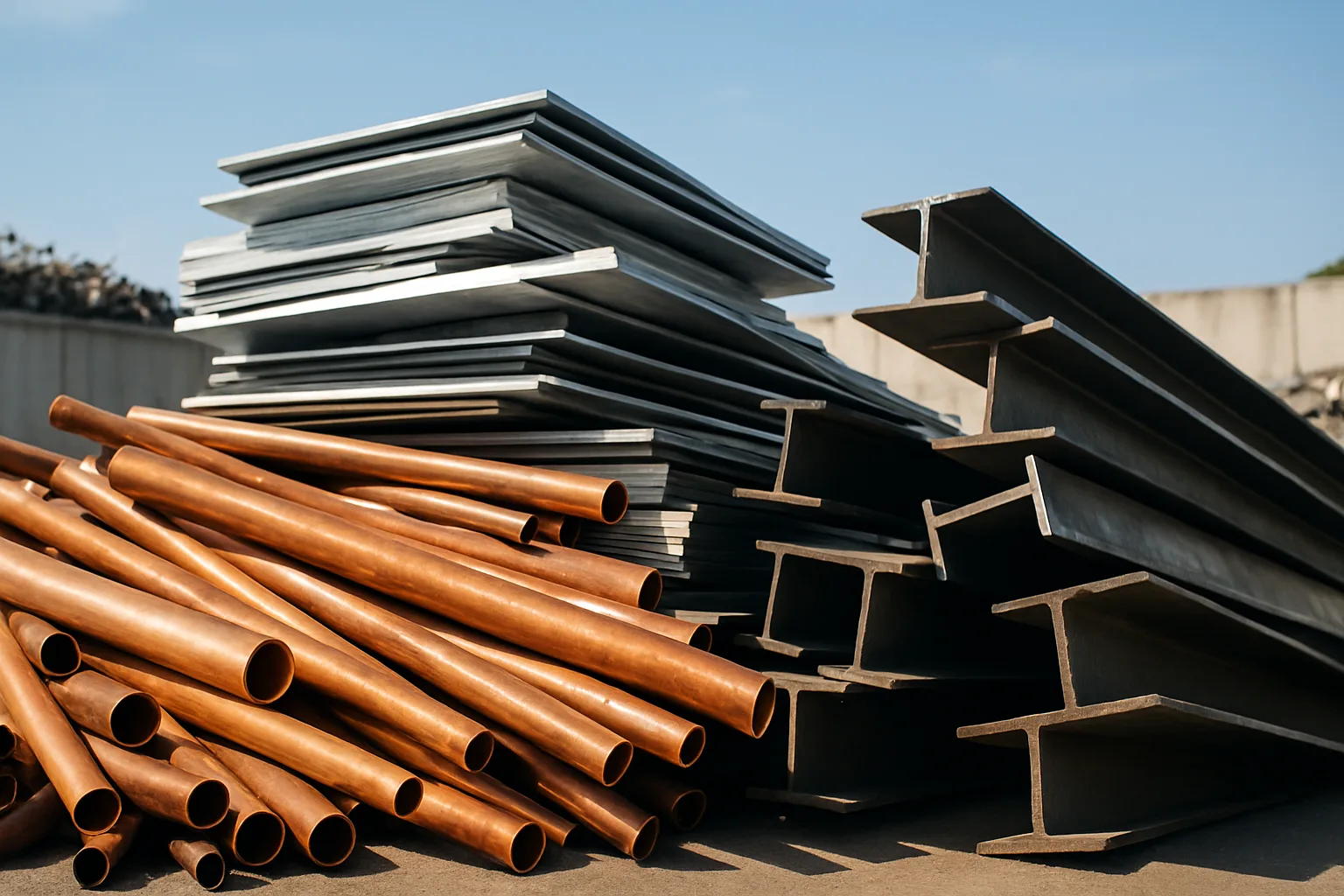
Your old laptop, dead smartphone, or broken TV isn't trash — it's a small mine. Electronics contain real recoverable metals: copper, gold, silver, palladium, and aluminum. Most people never think about this when they toss a device in a drawer or drop it at a donation bin. But if you're already hauling scrap, e-waste deserves a spot in your strategy.
This guide breaks down what's actually inside old electronics, how precious metal recovery works, and how to connect the dots between e-waste and the broader scrap metal market — including what aluminum scrap price today means for the components you're sitting on.
What Metals Are Actually Inside Old Electronics?
Electronics aren't made of one material — they're layered composites of metals, plastics, and glass. That complexity is exactly why most people ignore the value inside. Here's what you're working with:
- Copper: Circuit boards, wiring harnesses, and power cables are heavy with copper. It's one of the most consistent earners in e-waste recovery.
- Aluminum: Laptop chassis, tablet frames, heat sinks, and certain phone housings are aluminum. These grades vary, but they contribute real weight and real value.
- Gold: CPU pins, connector tabs, and certain circuit board contacts carry trace amounts of gold. It adds up across volume.
- Silver: Solder joints and some capacitors contain silver. Again, small quantities per unit — but significant at scale.
- Palladium: Found in multilayer ceramic capacitors. Palladium prices have been volatile, which makes this one worth tracking.
- Steel and iron: Hard drive casings, mounting brackets, and chassis frames often contain steel.
The challenge is separation. Unlike a clean load of aluminum extrusion or bare bright copper wire, electronics require processing before you can sell individual metal streams. That's why knowing your options matters — and why partnering with the right buyer or platform changes what you actually get paid.
Aluminum Scrap Price Today and Why It Matters for E-Waste
Aluminum is everywhere in modern electronics. MacBooks, ultrabooks, gaming handhelds, and mid-range smartphones have shifted toward aluminum alloy bodies because the material is light, strong, and recyclable. That's good news for scrap sellers.
The aluminum scrap price today varies based on grade, contamination level, and regional demand. Clean aluminum extrusion commands different pricing than mixed or painted aluminum. Laptop chassis often fall into the mixed or painted category because of anodizing or powder coating — expect a discount versus clean bar stock. But it's still aluminum, still weighing real ounces, and still worth separating from your general e-waste pile.
Here's what affects your aluminum scrap value per pound from electronics specifically:
- Alloy grade: Not all aluminum is equal. 6061 alloy from a MacBook chassis behaves differently in the melt than die-cast alloy from a cheaper device.
- Surface contamination: Anodized or painted aluminum requires additional processing, which yards factor into their offer.
- Mixed vs. separated: Stripping plastic trim and separating aluminum components before you sell always improves your rate.
- Volume: Small quantities of e-waste aluminum don't move markets, but once you're handling commercial or institutional volumes — old IT equipment, corporate laptop refreshes, school district device disposal — it adds up fast.
Always check current rates before you haul. Metal prices fluctuate daily based on LME (London Metal Exchange) spot prices, regional supply, and buyer demand. Prices referenced in any guide are general context only — verify current aluminum scrap price today before finalizing any transaction.
Platforms like smashscrap.com help sellers understand market-based pricing rather than accepting whatever one buyer quotes over the phone. When multiple vetted buyers compete for your material, you get a clearer picture of what your load is actually worth.
How Precious Metal Recovery Actually Works
You won't melt a laptop in your driveway and pour out gold bars. Precious metal recovery from e-waste is an industrial process — but understanding it helps you make smarter decisions about who you sell to and what material you separate.
There are two main pathways:
- Selling whole boards to e-waste processors: You collect circuit boards — motherboards, graphics cards, RAM sticks, CPUs — and sell them by weight to a certified e-waste refiner or processor. They handle the chemical and thermal extraction. You get paid per pound based on board grade (high-yield CPU boards vs. low-yield commodity boards command different rates).
- Sorting and separating before sale: More labor-intensive, but potentially higher return. Pull CPUs separately. Separate gold-bearing finger boards. Strip aluminum chassis. Sort copper wire by gauge. Each stream gets its own price, and clean streams get better prices.
For most individuals and small yards, the first path is simpler. For anyone handling significant volume — IT asset disposition companies, electronics refurbishers, or recycling operations — separation pays off.
Either way, documentation matters. Keep records of what you're moving. Weight receipts, photos, and chain-of-custody records protect you legally and help you build a track record with buyers. This is something platforms built for the scrap industry take seriously — inventory tracking and photo documentation create trust and reduce disputes.
Best Scrap Metal Prices in Newark and New Jersey for E-Waste Loads
If you're based in Newark or anywhere across New Jersey, you're in a dense metro corridor with multiple buyers competing for material. That's an advantage — but only if you're actually reaching more than one of them.
The old approach: call the yard you've always used, take their number, haul your load. The problem with that is you have no idea if that number reflects the market. One yard might be long on aluminum this week and offer you a lower rate. Another might be short on copper and willing to pay more. You won't know unless you ask — and most sellers don't ask.
For Newark scrap metal services, you have access to a market with real buyer density. The question is whether you're using that density to your advantage. Selling through a platform that creates competition among vetted buyers — rather than accepting a single quote from a single yard — is how you find the best scrap metal prices Newark has to offer.
New Jersey's industrial base and dense population means a consistent supply of e-waste material from households, schools, and commercial operations. That volume makes it worth treating e-waste as a serious income stream, not an afterthought. Sell your scrap metal on GetMyScrap and stop guessing at what your material is worth.
How to Prepare Your E-Waste Before You Sell
Showing up with a random pile of broken electronics is the lowest-value version of this transaction. A few hours of sorting and basic prep can meaningfully change what you walk away with. Here's a practical checklist:
- Remove batteries first. Lithium batteries are a safety hazard and require separate disposal. Many yards won't accept electronics with batteries still installed. Pull them before you haul.
- Separate by metal type. Keep aluminum chassis together. Pull copper-heavy components (power supplies, transformers, thick cable assemblies) separately. Circuit boards in their own bin.
- Strip plastic where practical. If you have time, removing plastic trim from aluminum frames bumps you into a cleaner grade and a better price per pound.
- Document what you have. For larger loads — IT equipment decommissions, for example — photograph pallets, note quantities, and track serial numbers or asset tags. This protects you and builds credibility with buyers.
- Weigh before you go. Know your approximate weight. Surprises at the scale are rarely in your favor.
- Check current prices. The aluminum scrap price today might be different from last week. Spend five minutes checking before you load the truck.
If you're handling regular volume, consider building a simple sorting system at your location. Separate bins for each metal stream. It takes discipline to maintain, but it pays off every time you sell.
Sell Scrap Metal Online — Why the Platform Matters
The scrap industry has been slow to change. Most transactions still happen the old way: a phone call, a verbal quote, a handshake. That approach works fine if you already know you're getting a fair number. Most sellers don't know that.
Selling scrap metal online changes the dynamic. When you list your material — whether it's a pallet of mixed e-waste, a load of clean aluminum, or a collection of circuit boards — multiple buyers can see it and compete. That competition is what reveals the actual market rate.
SMASH is built around exactly this principle. Vetted buyers, competitive auction format, real documentation, no subscription fees. You only pay when you sell. That structure aligns SMASH's incentive with yours — which is a different model than a yard that profits whether your price is high or low.
For sellers in Newark and across New Jersey who are ready to move beyond single-quote transactions, explore scrap metal selling guides to understand how the process works from prep to payout. And when you're ready to move material, get a fair price for your scrap today — because leaving money on the table every load adds up fast.
Old electronics aren't a waste problem. They're a resource problem — and the solution is knowing what you have, preparing it properly, and selling it through a process that puts the market to work for you. SMASH connects the dots. Start there.
Frequently Asked Questions
Q: What is the aluminum scrap price today for electronics components?
Aluminum scrap prices fluctuate daily based on commodity markets and regional demand. Electronics-grade aluminum — laptop chassis, tablet frames, heat sinks — typically sells at a discount to clean extrusion due to surface coatings or alloy mixing. Always check current rates with your buyer or platform before selling. Prices in any guide are general context, not a quote.
Q: Where can I find the best scrap metal prices in Newark for e-waste?
The best scrap metal prices in Newark come from creating competition among buyers — not accepting a single quote. Using a platform like SMASH, or comparing multiple yards, gives you a clearer picture of the market rate for your material. Newark's location in a dense metro corridor means real buyer options exist — use them.
Q: Can I sell e-waste and old electronics as scrap metal online?
Yes. Platforms that connect sellers with vetted buyers allow you to list e-waste loads — circuit boards, aluminum chassis, copper-bearing components — and receive competitive offers. Proper documentation, photos, and weight estimates improve buyer confidence and your final price.
Q: Do I need to remove batteries before scrapping old electronics?
Yes — always. Lithium batteries are a safety and regulatory issue. Most scrap yards and e-waste processors require batteries to be removed before accepting electronics. Many municipalities and retailers offer free lithium battery collection. Remove them before you haul anything.
Q: How do I know if my e-waste is worth separating or selling as a mixed load?
Volume is the deciding factor. Small quantities of mixed e-waste rarely justify the time to separate. Once you're handling pallets — corporate IT refreshes, school device disposal, commercial quantities — sorting pays off. Clean aluminum, separated copper, and high-grade circuit boards all command better prices than unsorted mixed loads.
Follow SMASH on LinkedIn for scrap metal market updates, pricing insights, and industry news: SMASH on LinkedIn.