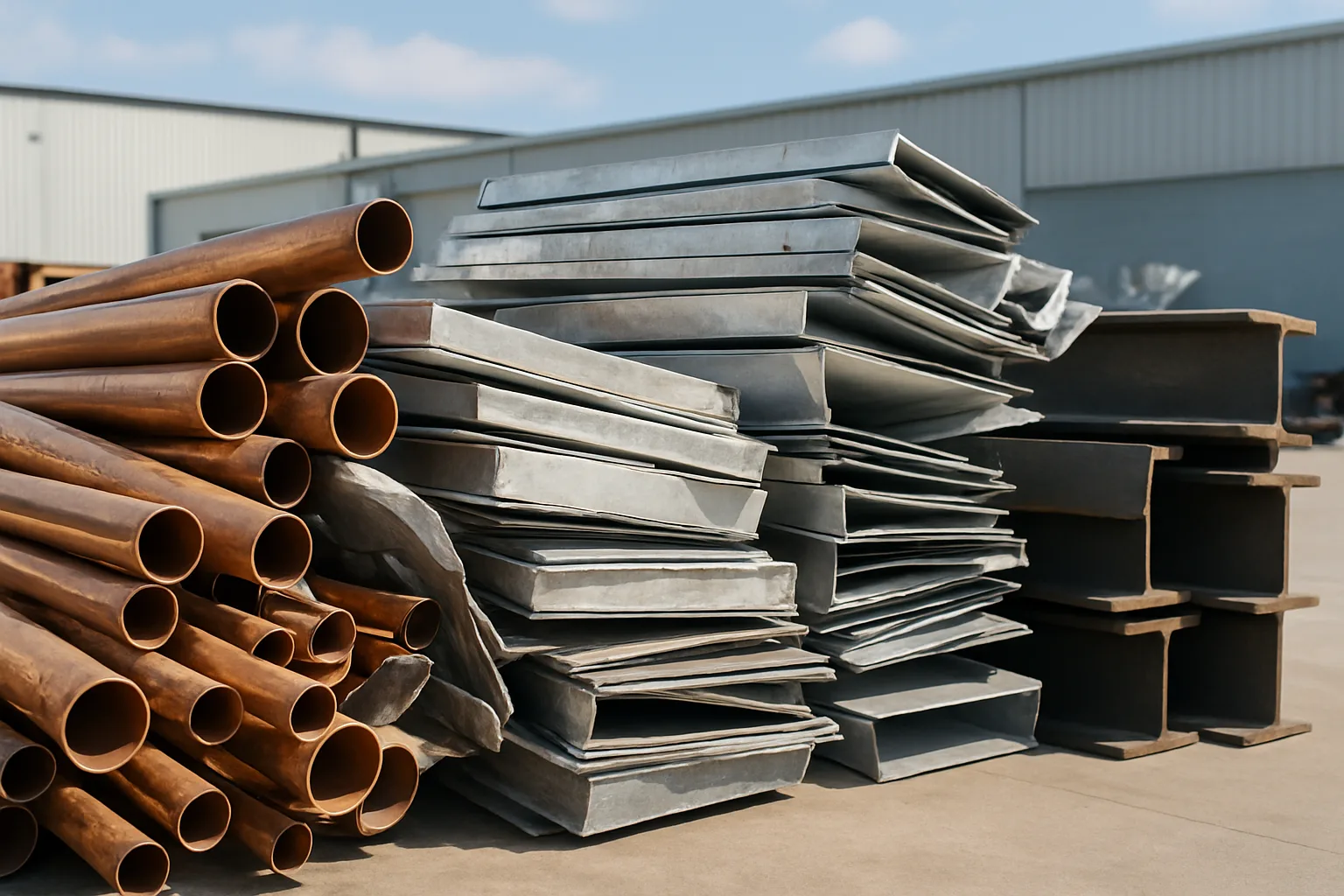
Why Scrap Metal Prices Change Every Single Day — And What That Means for Houston Sellers
You checked copper prices last Tuesday. You come back today and the number looks completely different. That's not a glitch — that's how scrap metal markets work. If you're trying to get the best scrap metal prices in Houston, understanding why prices move is just as important as knowing what your pile is worth right now.
Scrap metal prices track global commodity markets in real time. Copper, aluminum, steel, and catalytic converter metals don't have fixed prices. They shift based on demand from manufacturers, currency movement, energy costs, and trade policy. For sellers in Texas, that means the difference between dumping a load this morning versus waiting a few days can genuinely add up — especially on large quantities of non-ferrous material.
This guide breaks down how daily price fluctuations work, what drives copper and aluminum values, and how sell your scrap metal on GetMyScrap gives you a smarter path to a fair price — without guessing.
What Drives Scrap Metal Prices Up and Down
The scrap market doesn't move randomly. Every price swing has a cause. Most sellers don't dig into the mechanics — but knowing them helps you make better decisions about when to sell and what to expect.
Here are the main forces that push copper scrap prices in Houston and beyond on any given day:
- London Metal Exchange (LME) and COMEX spot prices: Copper, aluminum, and other non-ferrous metals trade on global exchanges. When the LME copper price drops two cents per pound, your yard will reflect that by end of day.
- U.S. dollar strength: Metals are priced in USD globally. When the dollar strengthens, commodity prices often dip. When it weakens, prices tend to rise.
- Manufacturing demand: Big buyers — auto plants, wire manufacturers, construction firms — pull scrap into production. High demand tightens supply and pushes prices up.
- Tariffs and trade policy: Import and export restrictions on scrap and finished metals create ripple effects across domestic pricing. Changes in trade policy in 2026 have continued to influence regional price spreads.
- Energy and freight costs: Smelters run on energy. When energy costs rise, processing margins shrink — and yards pass that downstream to sellers.
- Seasonal demand: Construction activity peaks in spring and summer. That drives higher demand for copper wiring, steel rebar, and aluminum framing — which lifts scrap values.
None of this is hidden information. It's just not explained clearly to most sellers. Understanding these drivers means you can stop reacting to prices and start anticipating them.
Copper Scrap Prices Houston — What's Actually in Your Pile
Copper is the most price-sensitive non-ferrous metal most sellers deal with. A few cents per pound doesn't sound like much until you're looking at 500 lbs of bare bright copper wire. Grade matters here more than almost anywhere else in the scrap business.
Houston yards typically price copper across several grades. Here's what you're likely dealing with:
- Bare bright copper (#1): Clean, uncoated, unalloyed wire or tubing. Commands the highest price per pound.
- #1 copper: Uncoated copper pipe and wire, may have small fittings. Slightly below bare bright.
- #2 copper: Mixed copper with light coatings, solder, or paint. Priced lower to account for processing.
- Insulated copper wire: Value depends heavily on copper content percentage. Stripped wire earns more. Unstripped wire earns less.
- Copper breakage / mixed: Fittings, mixed alloys, contaminated material. Lowest copper pricing tier.
If you're selling copper in Houston, strip your wire before you bring it in. It takes time, but the price difference between insulated and bare wire can be significant. Don't leave money on the table because the prep work felt inconvenient.
Disclaimer: Copper scrap prices fluctuate daily based on market conditions. Always check current rates before you sell. Prices listed by any yard today may differ from tomorrow's posted rate.
Aluminum Scrap Value Per Pound — More Variety Than You Think
Aluminum is everywhere in Texas — HVAC systems, auto parts, window frames, electrical conduit. It's also one of the most commonly mis-sorted materials at the yard. Sellers often get lower prices because they mix grades that should be separated.
Understanding aluminum scrap value per pound starts with knowing what you have:
- Clean aluminum cans (UBC): Used beverage containers, sorted clean. Solid value relative to weight.
- Extruded aluminum (#1): Clean window frames, door frames, clean extrusions. No paint, no attachments.
- Cast aluminum: Engine blocks, transmission cases, wheels. Lower value than extrusion due to alloy composition.
- Aluminum radiators: Clean copper/aluminum radiators versus steel-attached ones carry different pricing.
- Sheet aluminum: Roofing, siding, panels. Grade depends on cleanliness and alloy.
- Aluminum breakage / mixed: Contaminated or mixed alloy loads. Yards discount aggressively.
Sorting takes time, but it's the fastest way to improve your return without waiting for markets to move. A clean, sorted load gets a better price than a mixed pile even when the market is flat. That's true whether you're selling a few hundred pounds out of a garage or moving a full pallet from a demo job.
Want to understand how competitive pricing works before you commit to a buyer? Explore scrap metal selling guides that cover sorting, grading, and maximizing your per-pound return.
Catalytic Converter Prices — The Most Volatile Metal in Your Vehicle
If you want to see dramatic daily price swings, watch the catalytic converter market. Cats contain platinum group metals (PGMs) — platinum, palladium, and rhodium — which trade independently from base metals and move with their own supply and demand dynamics.
Palladium and rhodium in particular have historically shown extreme volatility. Prices that were high one quarter can look very different six months later. For sellers with a handful of cats, that timing difference matters.
Here's what drives cat pricing on any given day in Houston:
- PGM spot prices: Updated daily. Refiners price cats based on recoverable platinum, palladium, and rhodium content.
- Vehicle make and model: A converter from a late-model foreign vehicle typically contains more PGM than an older domestic one. Serial numbers and VINs help identify value accurately.
- Aftermarket versus OEM: Aftermarket converters often contain little to no recoverable PGM. Many yards pay scrap iron value only for these.
- Anti-theft regulations and documentation requirements: Texas has tightened regulations around converter sales. Yards require proper documentation — VIN, seller ID, vehicle proof of ownership in many cases.
If you're trying to get the best price for catalytic converters, documentation isn't just a legal requirement — it gives buyers confidence and opens up more competitive offers. Platforms like North America's B2B scrap metal auction platform SMASH use serial tracking and photo documentation to bring more buyers to the table and let competition do the pricing work.
How to Get the Best Scrap Metal Prices in Houston Without Calling Around All Day
The old process for selling scrap in Houston looked like this: call your regular yard, get one price, accept it or don't. There was no comparison. No competition. No way to know if you were getting fair market value or leaving money behind.
That system worked fine when the market was simple and buyers were few. It doesn't work as well today, when prices shift by the hour and your load has real value that a single buyer has no incentive to maximize for you.
Here's a smarter approach for scrap metal recycling in Houston:
- Know your grades before you call. Separate copper from aluminum. Strip wire if you can. Document your cats by serial number. Graded, sorted loads get better prices.
- Check the commodity market that morning. LME copper and aluminum prices are publicly available. If you know the base price, you have context for what any yard offers you.
- Don't accept the first number. One buyer, one price is the old way. Competition reveals the market. More buyers means better price discovery — that's not a slogan, that's how auctions work.
- Use documentation to your advantage. Photos, weights, packing lists, and VINs aren't just for the buyer's benefit. They reduce disputes and build credibility that earns you better offers.
- Use platforms that work for you. SMASH connects sellers with vetted buyers across North America. No subscription fees. No single-buyer guessing. When you get a fair price for your scrap today, it's because multiple buyers competed for your load.
Houston has a large and active scrap market. Industrial density, petrochemical operations, construction activity, and auto salvage all generate significant non-ferrous volume. That means buyers want what you have — and you shouldn't have to settle for the first number someone gives you over the phone.
For local sellers ready to move material, Houston scrap metal services through GetMyScrap make it easy to connect with buyers who are actively competing for your load.
Timing Your Sale — When to Sell and When to Hold
Timing the scrap market perfectly is impossible. But making an informed decision about when to sell is very possible. Sellers who track basic commodity trends make better decisions than those who sell on a fixed schedule regardless of market conditions.
A few practical guidelines:
- Don't hold perishable or bulky material hoping for a spike. Storage costs, theft risk, and handling time eat into any price gain. Small quantities don't justify waiting weeks.
- Large loads are worth timing more carefully. If you're sitting on several thousand pounds of copper or a full truckload of non-ferrous material, a 5-cent per pound improvement is real money.
- Spring and summer tend to be stronger for non-ferrous. Construction demand in Texas runs hard through summer. That supports copper and aluminum values in the region.
- Watch the LME and COMEX weekly trend, not the daily number. One-day swings are noise. A clear multi-week trend in one direction tells you something useful.
- If you need the cash, sell now. Opportunity cost is real. A guaranteed fair price today beats a speculative better price three weeks from now — especially for smaller loads.
Disclaimer: Scrap metal prices change daily. The guidance above reflects general market patterns, not guaranteed price outcomes. Always verify current rates before selling.
Frequently Asked Questions
Q: How often do scrap metal prices change in Houston?
Scrap metal prices in Houston — like everywhere in the U.S. — can change daily. Yards typically update their posted prices based on overnight LME and COMEX settlement prices. High-volume sellers often check prices at the start of each business day before committing to a load.
Q: What's the best way to find current scrap metal prices near me in Houston?
Call or check the websites of local yards, and cross-reference with published LME or COMEX copper and aluminum spot prices for context. Better yet, use a platform that brings multiple buyers to you — that way you're not dependent on one yard's posted rate. Platforms like SMASH and services like GetMyScrap help Houston sellers access competitive pricing without calling around all day.
Q: Do I need documentation to sell catalytic converters in Houston, Texas?
Yes. Texas regulations require sellers to provide valid ID and in many cases proof of vehicle ownership when selling catalytic converters. Yards are required to record seller information and VIN details. Make sure your documentation is in order before you bring cats in — it protects you and opens up better buyer options.
Q: Is it worth stripping copper wire before selling scrap metal in Houston?
Usually yes, if you have volume. Bare copper wire earns significantly more per pound than insulated wire. The time investment pays off on larger quantities. For small amounts of wire, it's less clear-cut — weigh the time against the price difference before you commit to stripping it.
Q: Can I sell scrap metal online and get it picked up in Houston?
Yes. Services like GetMyScrap allow Houston sellers to request pickups and connect with buyers without hauling material themselves. This is especially useful for large loads, demo material, or sellers without truck access. You get competitive pricing and the convenience of not leaving your site.
Scrap metal markets move every day — but that doesn't mean you have to guess. Know your grades, watch the market, document your loads, and let competition work for you instead of against you. If you're ready to stop leaving money on the table, sell your scrap metal on GetMyScrap and request a pickup at getmyscrap.com. Fair pricing starts with more buyers, not better luck.
Stay sharp on market shifts and scrap industry news — follow SMASH on LinkedIn for regular updates on scrap metal prices, market trends, and insights from across North America.