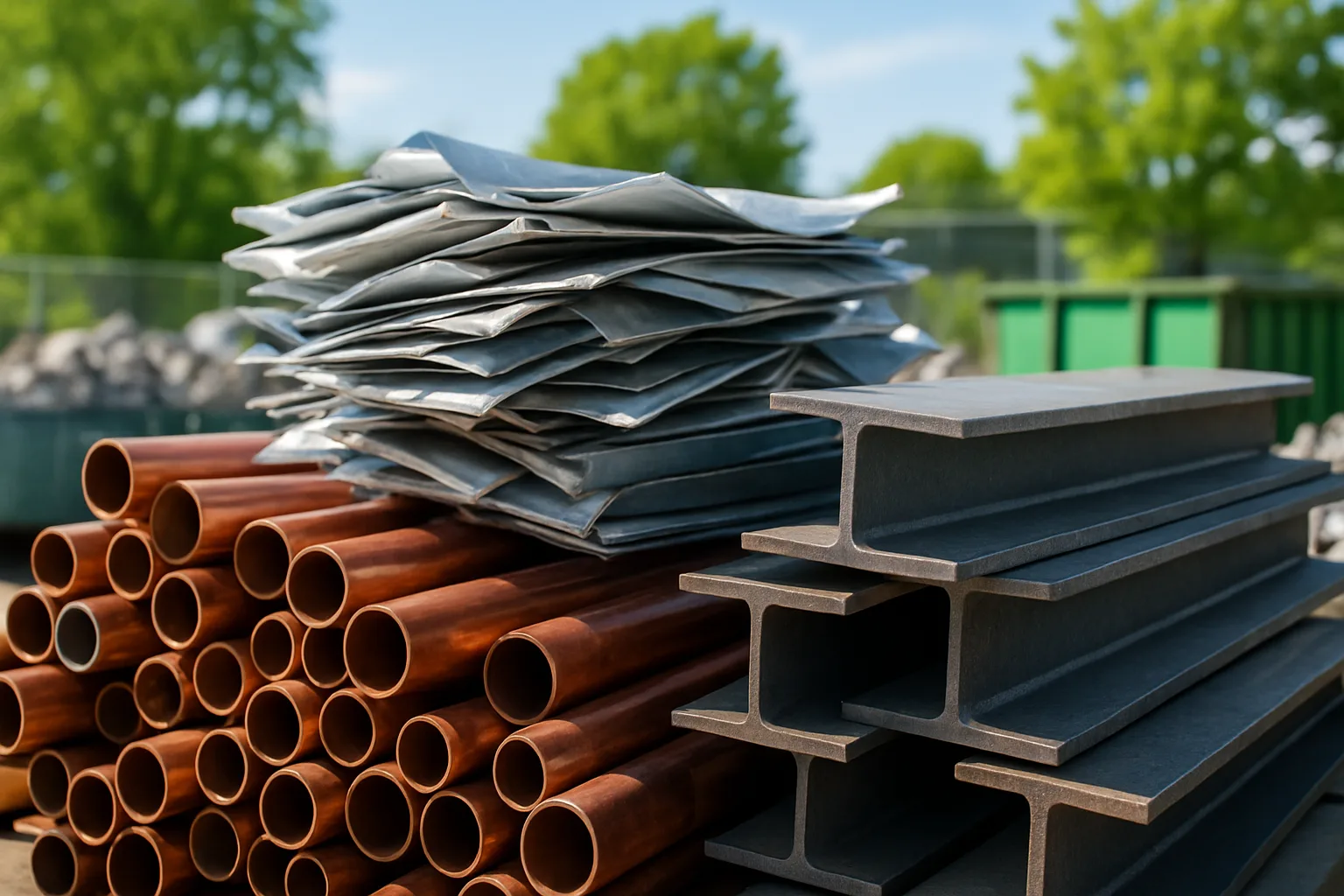
What Really Happens When You Drop Off Scrap Metal — And Why It Affects Your Payout
Most people hand over a load of scrap and take whatever number the yard gives them. No questions asked. But here's the thing — scrap metal prices today vary not just by market conditions, but by how your material is weighed, sorted, and graded the moment it hits the scale. Understanding that process can put real money back in your pocket.
If you're in Memphis or anywhere across Tennessee, you've probably noticed that two yards can quote you two very different prices for what looks like the same load. That's not an accident. It's the result of grading systems, scale calibration, moisture deductions, and buyer discretion — all working behind the scenes while you wait at the window.
This guide breaks down exactly what happens to your scrap after you pull up to the scale — and how to use that knowledge to get a better price every time.
The Scale Is Just the Starting Point: How Yards Actually Weigh Your Load
When you drive onto a yard's platform scale — called a truck scale or pit scale — the system captures your gross weight. You'll drive off, unload your material, then drive back on for your tare weight (the empty vehicle). The difference is your net scrap weight. Sounds simple. It's not always.
A few things happen during that process that directly affect your payout:
- Moisture and contamination deductions: Wet steel, dirty aluminum, or material mixed with dirt or oil can trigger automatic deductions — sometimes 5–10% off your net weight. Yards account for what they call "shrinkage" during processing.
- Mixed loads get graded to the lowest value: If you throw copper, steel, and aluminum in the same bin, the yard may price the whole load at the lowest grade present — or sort it themselves and charge you a processing fee.
- Scale calibration matters: Certified yards recalibrate their scales regularly. Smaller or less reputable yards may not. You can request the last calibration date — any legitimate operation will tell you.
The takeaway? Dry, clean, pre-sorted loads almost always yield a better payout per pound than mixed, wet, or contaminated loads. Do the sorting work before you arrive, not after.
Scrap Metal Grading — What the Numbers and Letters on Your Ticket Actually Mean
Every commodity you drop off — copper wire, aluminum extrusion, stainless steel, catalytic converters — has a grading system. These grades are often tied directly to industry benchmarks and influence what scrap metal prices today look like at the local level.
Here's a quick breakdown of common grades you'll encounter:
- #1 Copper (Bare Bright): Clean, uncoated, unalloyed copper wire, minimum 1/16" diameter. This is the top-paying copper grade. Any coating, solder, or oxidation drops it to #2 or lower.
- #2 Copper: Copper pipe, fittings, and wire with some coating or oxidation. Still valuable, but priced 10–20% below bare bright depending on the market.
- Aluminum — Extrusions vs. Cast vs. Clip: Clean aluminum extrusions (window frames, door tracks) pay more than cast aluminum (engine blocks) or clip (punched aluminum sheet). These are distinct grades with different price points.
- Steel — #1 Prepared vs. #1 Unprepared vs. Shredder: Prepared steel is cut to size (usually under 5 feet), clean, and free of attachments. Unprepared and shredder material pays less per gross ton because the yard does more work to process it.
- Catalytic Converters: Grade by assay — platinum, palladium, and rhodium content. No two converters pay the same. A diesel DPF is different from a standard gasoline cat. Serial numbers and VIN data affect pricing significantly.
The yard's grader makes split-second calls on your material. Knowing the grade names and what moves a material up or down the scale gives you standing to ask questions — or push back respectfully when something doesn't look right.
Catalytic Converter Pricing Is a Different Game Entirely
If you're selling cats, forget the per-pound logic that applies to copper or steel. Catalytic converters are priced by their precious metal content — specifically platinum group metals (PGMs): platinum, palladium, and rhodium. Prices for those metals shift daily, sometimes dramatically.
This is where most sellers leave money on the table. Walking into a single yard with a load of converters and accepting the first number you're offered is the old way. It worked when rhodium was $500/oz. In a volatile PGM market, it's a gamble you don't need to take.
Platforms like the SMASH scrap metal auction marketplace exist specifically to solve this problem. Instead of one buyer making you an offer in a parking lot, your converters get exposed to multiple vetted buyers bidding against each other. Serial tracking and photo documentation give buyers the confidence to bid aggressively — which means better price discovery for you. That's not a pitch; it's just how competitive markets work.
For Memphis yards handling volume catalytic converter inventory, the difference between a single-buyer phone call and a competitive auction can be significant — especially on high-value units like late-model OEM converters or rare diesel cats.
How Memphis Scrap Yards Set Their Daily Buy Prices
Yards don't just make up their prices. Their buy rates track commodity markets — London Metal Exchange (LME) for base metals, COMEX for copper, and specialized PGM indices for catalytic converters. But there's always a margin built in. The yard needs to process, transport, and sell your material to a mill or refiner. Their buy price reflects that spread.
What does this mean for you in practice? A few things:
- Prices change daily — sometimes twice a day. The number a yard quoted you last Thursday may not apply today. Always call ahead or check online before you load the truck.
- Volume matters. Most yards offer better per-pound rates for larger loads. A 200-lb copper drop pays better per pound than a 15-lb drop at most operations.
- Relationship pricing is real. Regular sellers often get better rates or skip the line. If you're generating consistent scrap from a job site or business in Memphis, you have more leverage than you think.
- Timing within the month matters. Mill demand tends to fluctuate around month-end purchasing cycles. Experienced sellers pay attention to these rhythms.
If you're looking to sell your scrap metal on GetMyScrap, you get access to tools that take the guesswork out of this process — no more calling five yards and trying to compare prices over the phone.
How to Prepare Your Load for the Best Possible Grade — and Price
The work you do before you reach the scale has a direct impact on what lands on your ticket. This is where most casual sellers leave money behind, and where experienced operators in Tennessee build a real advantage.
Here's how to prepare your material properly:
- Strip your wire. Insulated copper wire pays significantly less than bare bright. If the wire gauge is heavy enough and the volume is there, stripping pays off.
- Separate your metals. Don't mix copper with aluminum. Don't mix #1 steel with shredder material. Each material in its own container, clean and clearly identified.
- Remove attachments. Aluminum with steel bolts still in it grades lower. Copper pipe with brass fittings may be sorted differently. Remove what you can.
- Keep it dry. Don't let material sit outside in the rain before a drop. Water weight comes out of your pocket, not the yard's.
- Document your catalytic converters. Photos, serial numbers, and vehicle history (VIN if available) all add buyer confidence — which is exactly the kind of documentation that platforms like SMASH are built around.
If you're moving volume out of a Memphis job site or clearing a facility in Tennessee, the prep work is worth doing. A cleaner, better-graded load often pays more per pound than a sloppy one, even if the raw weights are identical.
For help figuring out what you've got and what it's worth, explore scrap metal selling guides that walk through material identification, pricing factors, and timing your sales smartly.
Don't Sell Blind — Use Competition and Transparency to Your Advantage
The scrap industry has run on relationships and information asymmetry for decades. The yard knows what your material is worth on the market. You often don't. That gap is where seller value disappears.
The shift happening right now — especially for higher-value loads like non-ferrous metals and catalytic converters — is toward documented inventory, competitive bidding, and real market transparency. If you're selling a significant load of copper, aluminum, or cats, a single phone call to a single buyer is no longer your only option.
Connecting with Memphis scrap metal services that offer vetted buyer access and auction-format pricing means you're letting the market set your price — not a single buyer with a margin to protect.
That's exactly the model behind platforms like SMASH: documented loads, vetted buyers, competitive bids, and auto-invoicing once a deal closes. No subscription fees. They only win when you win. More buyers means better price discovery — and that's not theory, it's basic market mechanics.
Ready to stop guessing what your scrap is worth? Get a fair price for your scrap today — whether you're dropping off a small load or moving serious volume out of a Memphis job site. Request a pickup at getmyscrap.com and let the market work for you.
Frequently Asked Questions
Q: How do scrap yards determine scrap metal prices today?
Yards track commodity markets — primarily the London Metal Exchange (LME) for base metals and COMEX for copper — and set daily buy prices based on those indices minus their processing margin. Prices can change daily, so always confirm rates before you drop off a load. Catalytic converter pricing follows PGM (platinum group metal) markets, which can be especially volatile.
Q: Why did the yard pay me less than I expected for my copper?
Grade is the most common reason. If your copper had insulation, solder, oxidation, or was mixed with other metals, the yard likely downgraded it from #1 to #2 or lower. Stripping wire and cleaning pipe before drop-off almost always improves your payout. Moisture deductions and processing fees for mixed loads are also common factors.
Q: What's the best way to sell scrap metal near me in Memphis?
For small loads of common metals like steel and aluminum, a local yard works fine — call ahead to confirm current prices. For higher-value materials like bare bright copper, non-ferrous metals, or catalytic converters, platforms like SMASH expose your inventory to multiple vetted buyers, which can reveal stronger market pricing than a single-yard offer. You can also explore local options through GetMyScrap's Memphis services page.
Q: Do catalytic converter prices change as often as copper prices?
Yes — often more so. PGM prices (platinum, palladium, rhodium) can swing significantly week to week based on automotive demand, mining output, and global supply chain factors. This is why selling cats through a competitive auction format, rather than accepting a single spot offer, tends to produce better price discovery for sellers with meaningful volume.
Q: Does it matter how I sort my scrap before dropping it off in Tennessee?
Absolutely. Pre-sorted, clean, dry loads almost always grade higher and pay more per pound than mixed or contaminated material. Yards that have to sort your load for you will either charge a processing fee or grade the entire load to the lowest material present. Do the sorting work yourself and you keep that margin. In Tennessee and everywhere else, prep time before the scale saves money at the ticket window.
Follow SMASH on LinkedIn for ongoing scrap metal market insights, commodity price trends, and industry updates that keep you ahead of the market.