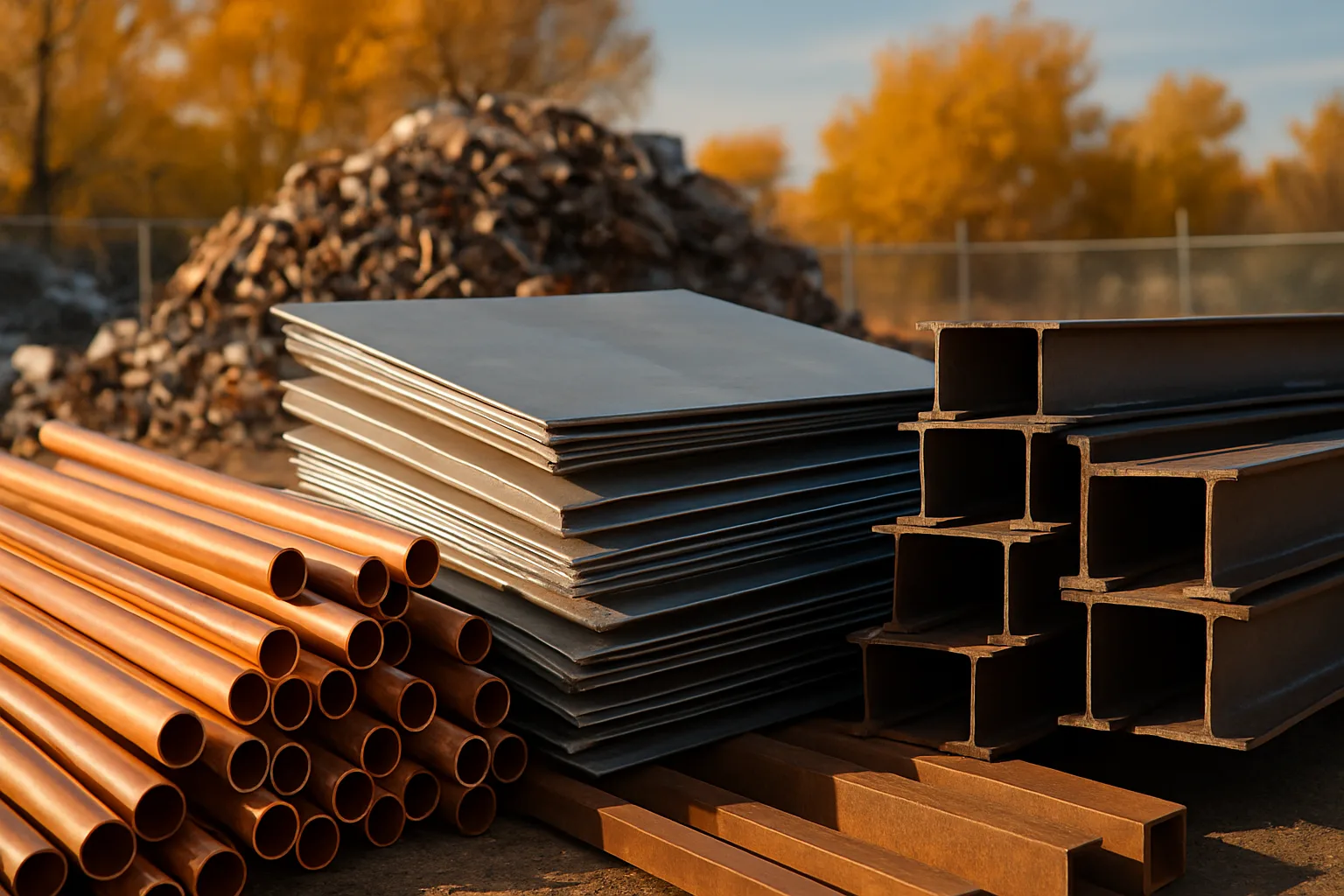
Why Sorting Your Scrap Metal Before You Sell Matters More Than You Think
Most people leave money on the table before they ever reach the scale. Not because the yard cheats them — but because mixed, dirty, or unsorted loads get bought at the lowest common denominator price. If you're trying to sell scrap metal near me Nashville, understanding how to prepare your load is the single most actionable thing you can do to improve what you walk away with.
Here's the reality: a scrap yard sorting your material on their end costs them time and labor. They price that risk into what they offer you. When you do the work upfront, you remove the guesswork — and buyers reward that with better numbers. Platforms like get competitive bids for your scrap metal with SMASH are built around exactly this principle: documented, sorted inventory attracts more serious buyers and better price discovery.
This guide walks you through how to sort, clean, and prepare your scrap metal so it sells for what it's actually worth.
Know Your Metals: Ferrous vs. Non-Ferrous
Before you sort anything, you need to know what you're working with. The most basic divide in scrap metal recycling is ferrous vs. non-ferrous. Ferrous metals contain iron. Non-ferrous metals don't. That distinction drives nearly everything — how it's priced, how it's handled, and how much it's worth per pound.
The fastest way to tell the difference? A magnet. Ferrous metals — steel, cast iron, wrought iron — stick to a magnet. Non-ferrous metals like copper, aluminum, brass, stainless steel, and lead don't. Non-ferrous metals are almost always worth significantly more per pound than ferrous material. Mixing them together in a single load means the whole thing gets priced as the cheaper category.
Common ferrous scrap you'll encounter:
- Structural steel (beams, pipe, rebar)
- Sheet metal from appliances
- Cast iron (engine blocks, radiators)
- Car bodies and frames
Common non-ferrous scrap worth separating carefully:
- Copper — bare bright, #1, #2, insulated wire
- Aluminum — cans, extrusions, cast, sheet
- Brass — fittings, valves, shells
- Stainless steel — appliances, sinks, industrial equipment
- Lead — wheel weights, batteries, pipe
How to Sort Copper for the Best Scrap Metal Prices Near Me
Copper is where sorting discipline pays off the most. The spread between the highest and lowest copper grades can be significant — and buyers notice immediately when a load is well-prepped. If you want the best scrap metal prices on copper, you need to know the grades and separate them before you sell.
Copper grading breaks down roughly like this:
- Bare Bright Copper — clean, uncoated, unalloyed copper wire, stripped of insulation. The highest grade.
- #1 Copper — clean copper pipe, bus bar, or wire with no fittings, solder, or insulation. Minimal oxidation.
- #2 Copper — copper with solder, paint, small fittings, or light oxidation. Still solid value.
- Insulated Wire — priced based on estimated copper content after stripping. Varies widely by jacket thickness and wire gauge.
Don't strip wire unless it makes sense economically — stripping thin wire by hand rarely pays off per hour. But thick copper cable? Stripping it to bare bright copper can meaningfully change your payout. If you want to sell your scrap metal on GetMyScrap, having your copper pre-graded and separated gives buyers the information they need to bid accurately.
Preparing Aluminum, Steel, and Other Metals for a Nashville Scrap Yard Run
Aluminum comes in more varieties than most people expect. Cans, wheels, extrusions, cast aluminum, and sheet aluminum all have different values. Mixing them into one pile drags the average down. A scrap yard downtown Nashville will grade mixed aluminum at the lowest applicable rate. Separate your cast from your extrusions, and your wheels from your sheet, and you'll see the difference reflected in your payout.
For steel and iron, clean is better — but don't obsess over it. A grease-covered engine block is still worth buying. What matters more with ferrous metal is removing attached non-ferrous components before you sell. Copper windings in an electric motor, aluminum housings on a steel frame, brass fittings on iron pipe — pull those off and sell them separately. That's where the real value lives.
A few practical tips for preparing your load:
- Remove rubber, plastic, and wood where possible — yards deduct for contamination
- Drain fluids from engines and tanks before transport (it's often legally required)
- Keep batteries separate — lead-acid car batteries have their own pricing structure
- Flatten aluminum cans if you're selling in volume to reduce load size
- Bundle copper wire when you can — loose wire is harder to grade quickly
For sellers in Tennessee, one practical advantage of working with Nashville scrap metal services is access to buyers who move high volumes of both ferrous and non-ferrous material regularly. That consistent demand matters when you're trying to move a mixed load quickly at a fair price.
How to Get the Best Price for Scrap Catalytic Converters
Catalytic converters are one of the most valuable — and most misunderstood — categories in scrap recycling. The precious metals inside (platinum, palladium, rhodium) are what drive the price. But the value varies enormously by vehicle make, model, and year. Two cats sitting side by side can have dramatically different payouts depending on what's inside.
If you're trying to get the best price for catalytic converters, here's what you need to do before you sell:
- Don't cut them blind. If you have the VIN of the vehicle the cat came from, use it. Platforms with VIN lookup functionality — like SMASH — let buyers assess value based on actual vehicle data, not just visual inspection.
- Document what you have. Photo documentation of the serial number, the shell, and both ends protects you and helps buyers bid accurately.
- Sell to buyers who specialize in cats. A general scrap yard may not have the assay infrastructure to value converters precisely. Specialized buyers bid higher because they know exactly what they're buying.
- Never sell a cat without the serial number visible. Missing serials equal lower bids — every time.
The scrap metal auction format is particularly effective for catalytic converters because it creates genuine competition between buyers who know the material. When multiple vetted buyers are bidding on a documented load of cats, you get price discovery that a single cold call to one buyer will never match. That's exactly what SMASH is built to deliver.
Why Auction-Based Selling Outperforms the Single-Call Method
The old way of selling scrap goes like this: you call one buyer, they quote you a number, you either take it or spend an hour calling around. You never really know if you got a fair price. You just know you got a price.
The auction model changes that dynamic completely. When you list a load on a platform like SMASH, multiple vetted buyers see the same documented inventory at the same time. They compete. That competition is how you find out what your material is actually worth in the current market — not what one buyer decided to offer on a given morning.
This matters especially in Nashville's active industrial and construction market, where scrap volumes are significant and buyer demand is real. More buyers means better price discovery. Documented inventory — photos, weights, grades, serial numbers — gives buyers more confidence to bid aggressively. And no subscription fees means you're not paying to play before you've sold a single pound. You can explore scrap metal selling guides to go deeper on how the auction process works and what to expect as a first-time seller.
When you're ready to move material, get a fair price for your scrap today by coming in prepared. Sorted loads, clean grades, documented converters — that's what competitive buyers want to see, and that's what drives better outcomes.
Frequently Asked Questions
Q: How do I find the best place to sell scrap metal near me in Nashville?
Start by knowing what you have. Sorted, graded material gives you the leverage to shop around or use an auction platform instead of defaulting to whoever is closest. In Nashville, you have access to both local yards and platforms like SMASH that connect you with vetted buyers across North America who actively compete for your load.
Q: Does sorting my scrap metal actually make a meaningful difference in payout?
Yes — often significantly. Mixed loads get priced at the lowest grade in the pile. Separating copper grades alone, or pulling non-ferrous components off ferrous frames, can change your payout per pound substantially. The time investment is usually worth it on loads of any real size.
Q: What's the best way to sell catalytic converters for top dollar in Tennessee?
Document them before you sell — serial numbers, photos, vehicle VIN if you have it. Then sell through a channel with real buyer competition, not a single offer from one yard. Platforms like SMASH that use serial tracking and VIN lookup tend to generate more accurate, competitive bids on cats than walk-in transactions.
Q: Can I get scrap metal pickup in Nashville instead of hauling it myself?
Yes. For larger loads, many buyers and platforms offer pickup or can coordinate logistics. If you're moving significant volume — multiple loads of steel, a collection of catalytic converters, or a non-ferrous lot — it's worth asking about pickup options when you list or inquire. GetMyScrap offers pickup — request one at getmyscrap.com.
Q: How often do scrap metal prices change, and how do I know if I'm getting a fair rate?
Scrap metal prices move with commodity markets — sometimes daily. The best way to know if you're getting a fair rate is to create competition between buyers rather than accepting the first number you hear. An auction format with multiple buyers bidding on your documented load is the most transparent way to find the real market price for your material.
Disclaimer: Scrap metal prices fluctuate based on commodity markets, regional demand, and material condition. All pricing references in this article are general in nature. Always verify current rates before selling.
You've done the work sorting and prepping your load. Now make sure you get paid what it's worth. Get a fair price for your scrap metal — request a pickup at getmyscrap.com and put your prepared load in front of buyers who actually compete for it.
Stay current on scrap metal market trends and platform updates by following SMASH on LinkedIn — practical industry insights, no filler.