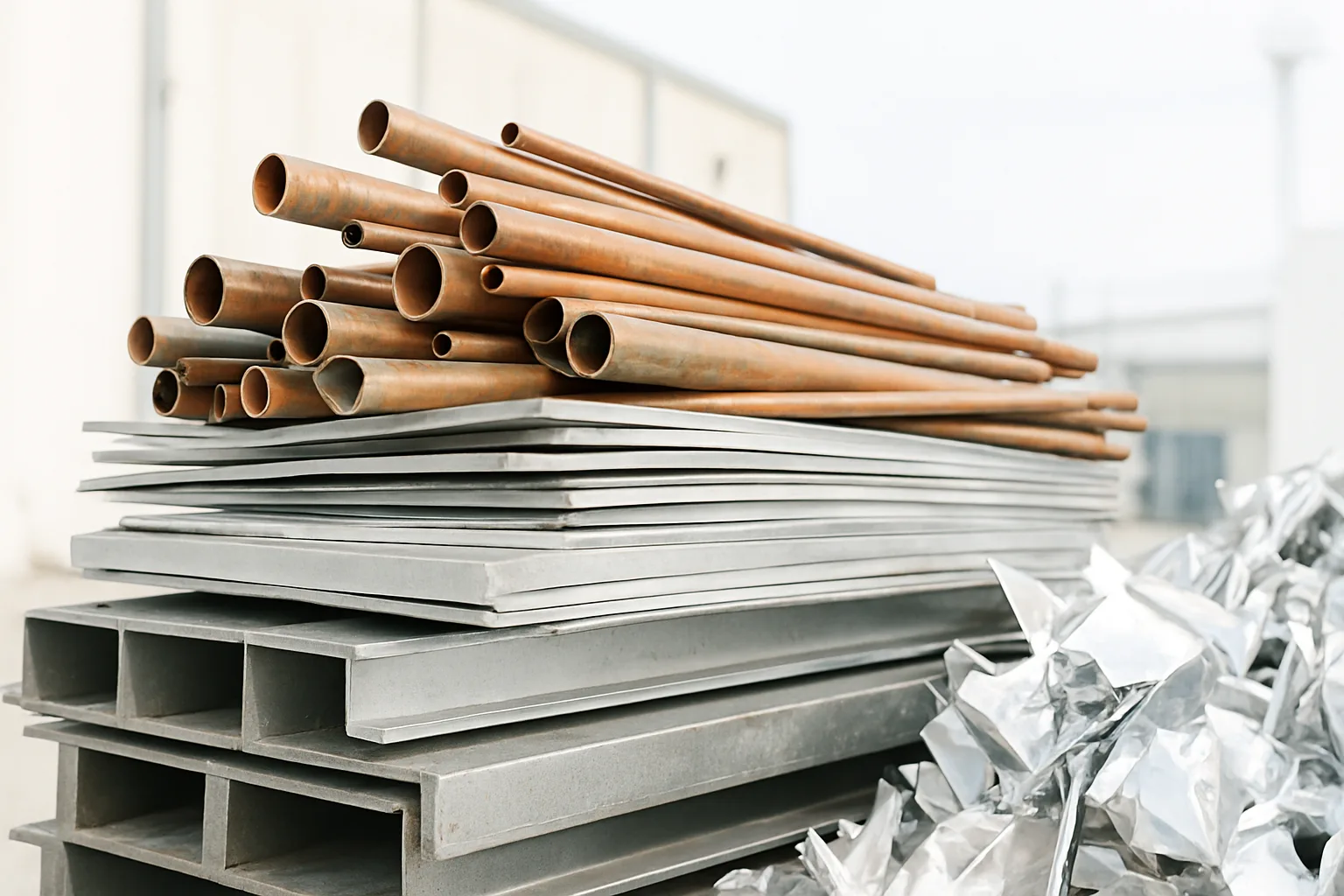
Why Most Scrap Sellers Leave Money on the Table Before They Even Leave the Yard
A machine shop in Savannah recently hauled in three mixed bins of metal — copper wiring tangled with steel bolts, aluminum extrusions mixed with irony aluminum, and a pile of catalytic converters tossed in with exhaust pipes. They got paid for mixed metal across the board. That's one of the most common and most expensive mistakes in scrap metal recycling Savannah yards see every week.
Sorting matters. Preparation matters. The difference between a clean load and a mixed bin isn't just a few dollars — it can represent a significant percentage of your total payout. Before you load the truck, before you call anyone, what you do in your own shop or yard determines what ends up in your pocket.
This post breaks down exactly how to sort and prepare your scrap metal so you walk away with the best price possible — whether you're a first-timer cleaning out a garage or a business owner moving regular tonnage.
Understand the Metal Grades Before You Touch a Thing
Scrap metal pricing is grade-based. Buyers don't pay you for "metal." They pay for specific grades with specific compositions. Mixing grades is essentially handing your buyer a discount they didn't earn.
Here's a quick breakdown of the most common categories:
- Bare bright copper: The cleanest, highest-value copper — uncoated, unalloyed wire stripped to bare copper. No insulation, no solder.
- #1 copper: Clean copper pipe and wire with minimal oxidation. No fittings, paint, or insulation.
- #2 copper: Slightly corroded or coated copper. Still valuable, but less than #1.
- Insulated copper wire: Wire still in its jacket. Priced based on copper recovery percentage — ask your buyer upfront what recovery rate they use.
- Cast aluminum vs. extruded aluminum: These are different alloys and priced differently. Don't mix them.
- Steel and iron: Lowest price per pound in the ferrous category. Separate from non-ferrous — always.
- Catalytic converters: Priced by unit and PGM (platinum group metal) content. Serial numbers and condition matter. Never mix with exhaust pipes.
If you're not sure what grade something is, use a magnet. Ferrous metals (iron, steel) stick to a magnet. Non-ferrous metals (copper, aluminum, brass, catalytic converters) don't. That's your starting point.
Copper Scrap Prices in Savannah Depend on What You Bring In
Copper is where most sellers either win big or give money away. Copper scrap prices in Savannah — like anywhere in Georgia — track the COMEX copper market, but what you actually receive depends heavily on what condition your copper is in when it hits the scale.
Here's how to maximize your copper payout:
- Strip your wire. If you have copper wire with insulation, stripping it yourself can meaningfully increase your payout — especially on large quantities. A wire stripping machine pays for itself quickly if you're processing regular volumes.
- Remove attachments. Brass fittings, steel connectors, and solder joints all lower your grade. Cut them off where you can.
- Keep it dry and clean. Wet or oily copper signals contamination to buyers. A clean, dry load builds confidence and can support a better price.
- Separate by grade. Don't mix bare bright with #2. Bring them in separate bins and negotiate each grade individually.
When you sell your scrap metal on GetMyScrap, your copper is priced by grade — not lumped together at the lowest common denominator. That distinction alone can make a real difference on a large load.
How to Prepare Catalytic Converters for the Best Price
Catalytic converters are a category all their own. They contain platinum, palladium, and rhodium — PGMs that fluctuate dramatically in value. Getting the best price for your catalytic converters requires preparation and documentation, not just showing up with a bucket of cats.
Before you sell any cats, do this:
- Keep them whole. Never cut open a catalytic converter trying to access the substrate. You'll destroy value and raise red flags with buyers.
- Document the VIN and serial numbers. Platforms like SMASH use serial tracking and VIN lookup to properly identify converters and support accurate pricing. A documented cat is worth more than an unidentified one.
- Photograph each unit. Photo documentation protects you and gives buyers confidence. It also creates a clear record for compliance purposes — increasingly important as regulations tighten across the U.S.
- Sort by type. Pre-OBD, OBD, diesel, and aftermarket converters all have different PGM content and different values. Mixing them means you'll likely get priced at the lowest grade in the pile.
- Know the quantity. Even 5–10 converters is enough to run through a competitive process. You don't need a pallet to get a real market price.
If you're sitting on a significant number of converters, get competitive bids for your scrap metal through SMASH's auction format rather than accepting the first number a single buyer throws at you. Competition reveals the market — and that matters most when PGM values are moving.
Sorting and Loading: How You Stack Your Load Changes the Offer
Buyers assess loads fast. In a busy yard, the first impression of your material shapes the opening offer. A well-sorted, cleanly presented load signals that you know what you have — and buyers respond to that.
Practical sorting and loading tips that pay off:
- One grade per bin or pallet. Never mix ferrous and non-ferrous in the same container. Ever.
- Remove trash and debris. Wood, plastic, rubber, and dirt all add weight without value — and some buyers will downgrade your entire load if they find contamination.
- Flatten large aluminum pieces where possible. It makes weighing and handling easier and shows preparation.
- Bundle wire loosely. Wire that's knotted into a dense ball is harder to inspect. Loose coils are easier to assess and less likely to get downgraded on suspicion of hidden contamination.
- Weigh it yourself first. If you have access to a scale, weigh each category before you arrive. Knowing your numbers going in prevents surprises at the scale.
If you're moving volume regularly, a documented inventory process pays dividends. SMASH's inventory tool lets sellers log material categories, weights, and condition before it even goes to buyers — that transparency consistently supports better price discovery. More buyers means better offers when they can see exactly what they're bidding on.
Selling Scrap Metal Online: Why the Old Single-Buyer Model Costs You
The traditional scrap process goes like this: call one buyer, accept their offer, load the truck, get paid. That model is comfortable. It's also leaving money on the table nearly every time.
When you sell scrap metal online through a platform with multiple vetted buyers, something different happens: competition. And competition is how you find out what your material is actually worth on any given day. One buyer has one price. Multiple buyers have a market.
For sellers in Savannah and across Georgia, this shift to online selling is particularly valuable. Local yards can be inconsistent, especially when commodity prices are moving. A single phone call on a Monday after a copper price drop can cost you real money if you don't have a reference point or an alternative offer.
Platforms like SMASH connect sellers with a vetted buyer network, handle documentation, and run competitive pricing on loads — from a handful of catalytic converters to full truckloads of non-ferrous material. No subscription fees. The model only works when the seller gets paid fairly. Explore scrap metal selling guides to understand exactly how the process works before you move your first load.
Building a Consistent Scrap Selling Process That Compounds Over Time
One sorted load is a good payday. A repeatable, documented process is a business advantage. Whether you're a one-person operation or running a full recycling yard, building a system around sorting and documentation creates compounding value over time.
Here's what a sustainable process looks like:
- Designate sort stations. Physical bins labeled by metal type make sorting a habit, not a project. Ferrous, non-ferrous, copper, aluminum, electronics, and cats each get their own spot.
- Log as you go. Don't try to inventory everything at pickup time. Track material as it comes in — weights, grades, source if relevant.
- Set a sell threshold. Decide in advance how much of each category you accumulate before you move it. This prevents rushed, underpriced sales.
- Track your prices over time. Knowing what you got for copper last quarter gives you a real benchmark. Use it.
- Use platforms that do the paperwork. Auto-invoicing, BOLs, and packing lists should be handled by your selling platform — not rebuilt from scratch every time you move a load.
If you're ready to move material and want a process that works — not just a one-time transaction — get a fair price for your scrap today and see what a documented, competitive process actually looks like in practice.
Frequently Asked Questions
Q: How do I find the best scrap metal prices in Savannah, Georgia?
The best prices come from comparing multiple buyers, not accepting the first offer. Use platforms that expose your material to a vetted buyer network and run competitive pricing. Commodity markets shift daily, so timing and preparation matter as much as location.
Q: What's the difference between #1 and #2 copper scrap?
#1 copper is clean, uncoated, and unalloyed — pipe or wire with no significant oxidation or attachments. #2 copper has light contamination, paint, or fittings. The price difference between grades is real and consistent. Spending time stripping and cleaning copper before you sell almost always pays off.
Q: Can I sell scrap metal online if I'm in Savannah?
Yes. Platforms like SMASH work with sellers across North America, including Georgia, to create competitive pricing through vetted buyer networks. You document your material, buyers compete, and you get a market-driven offer — not a single yard's number of the day.
Q: How should I prepare catalytic converters before selling?
Keep them whole, photograph each unit, record serial numbers if available, and separate by type. Never cut into a converter. Documentation protects your interests and gives buyers the confidence to price accurately — which typically results in better offers.
Q: Is scrap metal pickup available in the Savannah area?
Yes. Pickup options vary by volume and material type. For large loads of non-ferrous metal, catalytic converters, or mixed industrial scrap, logistics can often be arranged through your selling platform. The key is having your material sorted and documented before the pickup — it speeds everything up and confirms your pricing upfront.
Scrap metal prices fluctuate based on commodity markets. Always check current rates before selling. The figures and grade descriptions in this article reflect general industry standards and are for educational purposes only.
You've done the work — sorted the load, documented the material, separated the copper from the steel and the cats from the exhaust. Now make sure you get paid fairly for it. Request a pickup and get a fair price for your scrap metal at getmyscrap.com — and find out what your material is actually worth when real buyers compete for it.
Follow SMASH on LinkedIn for scrap metal market updates, industry insights, and tips on getting the most from every load you sell.
```