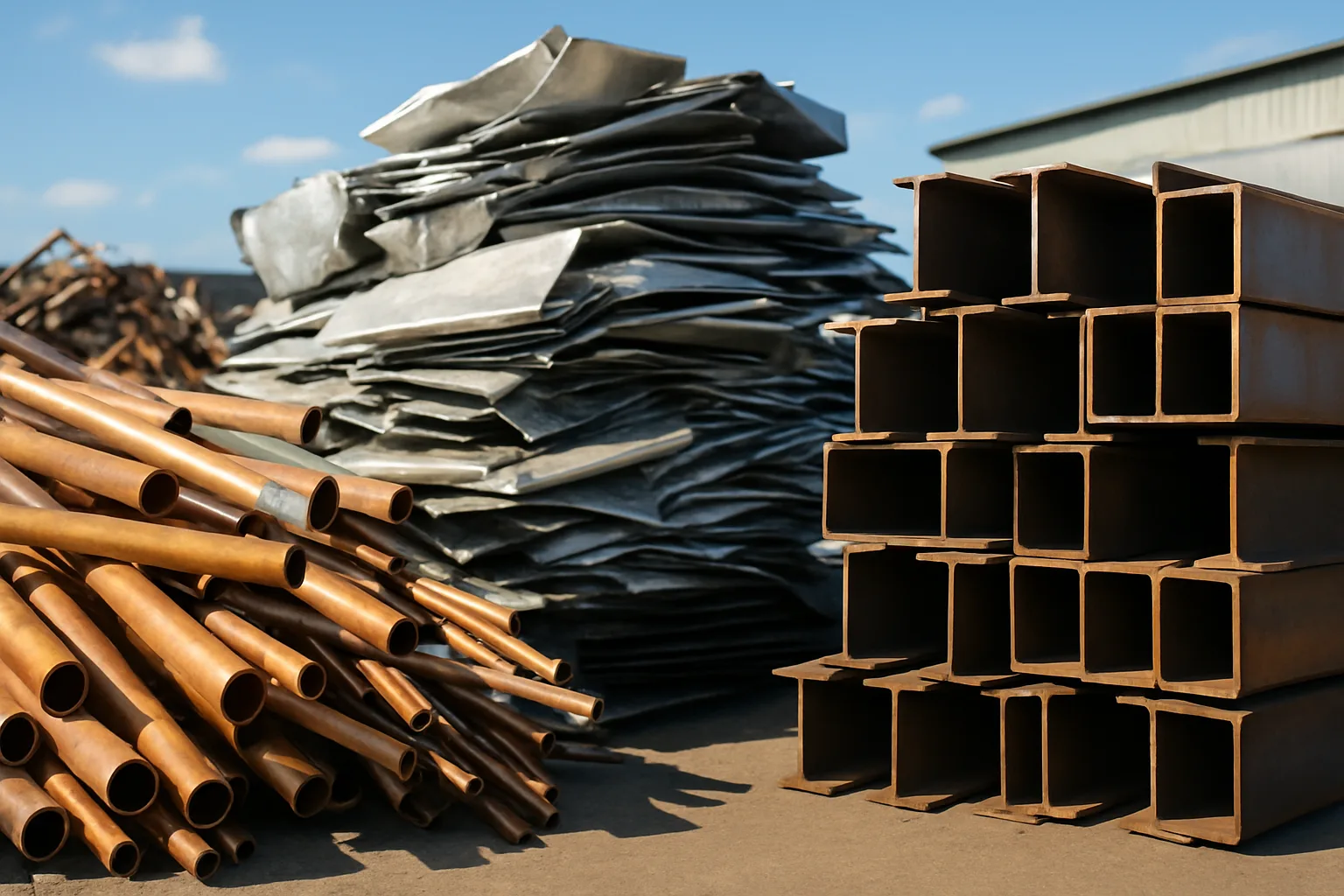
Most people searching "sell scrap metal near me" end up calling the closest yard, taking whatever price they're offered, and moving on. That works — until you realize the buyer two miles away just paid your neighbor 30% more for the same load. The scrap market rewards the informed seller. If you're in Warren or anywhere across Michigan, knowing how to find the right buyer isn't just convenient — it's the difference between a fair deal and a bad one.
This week's roundup covers exactly that: how the scrap selling process actually works, what drives prices right now, and why a B2B scrap metal marketplace is changing the game for sellers who are tired of guessing.
---Why "The Closest Yard" Is Rarely the Best Buyer
Convenience has a cost in the scrap world. When you call one yard, get one price, and load up the truck — you've already lost. You have no baseline. You have no competition. You have no idea if that quote is fair or if the buyer is taking advantage of a seller who didn't shop around.
Scrap metal prices aren't fixed. Copper, aluminum, steel, and catalytic converter palladium content all move with global commodity markets. Two yards in the same zip code can quote meaningfully different numbers on the same load, on the same day, depending on their inventory levels, their current buyers, and how motivated they are to move product. The only way to know you're getting a fair number is to create competition.
That's not a theory — that's how professional recyclers operate. The ones moving serious volume don't take the first offer. They use platforms and tools that expose their loads to multiple buyers simultaneously. If you're still doing one call, one price, you're operating like it's 2005.
---What's Moving the Scrap Metal Market in Mid-2026
Heading into the summer of 2026, a few forces are shaping scrap prices across the U.S. and here in Michigan. Domestic steel demand has stayed relatively firm, keeping HMS and shredded steel prices from falling through the floor. Copper continues to trade at elevated levels compared to historical averages, driven by infrastructure spending and ongoing electrification demand. Aluminum is steady but sensitive to energy costs, since smelting is energy-intensive and power prices have been volatile.
On the catalytic converter side, the story is more complex. Platinum group metals — platinum, palladium, and rhodium — determine what a cat is worth. Palladium has pulled back from its peak years, which has compressed cat prices somewhat. But there's still meaningful money in a pallet of cats, especially diesel units and higher-grade domestic converters. The challenge is that without a transparent, competitive process, it's nearly impossible to know whether you're getting a fair assay or a low-ball offer designed to pad someone else's margin.
This is exactly why a B2B scrap metal marketplace model exists. When your load — whether it's copper wire, aluminum breakage, or a pallet of cats — goes in front of multiple vetted buyers at once, the price discovery happens automatically. The market tells you what your material is worth. Platforms like smashscrap.com are built specifically for this kind of competitive selling.
Disclaimer: Scrap metal prices fluctuate daily. Always verify current rates before making selling decisions.
---Sell Scrap Metal in Warren and Southeast Michigan — Know Your Options
Warren, Michigan sits at the heart of one of the densest industrial corridors in the country. Between automotive manufacturing, stamping plants, fabrication shops, and the aftermarket parts economy, there's no shortage of scrap material moving through this region. That also means there's no shortage of buyers — but not all of them are equally competitive or transparent.
If you're looking to sell scrap metal in Warren, you have a few basic options:
- Local scrap yards: Fast and convenient, but typically one price with no competitive pressure. Good for small loads, less ideal for high-value material.
- Broker or middleman: They find you a buyer, but they take a margin. You pay for the convenience without knowing what the end buyer actually paid.
- Direct to processor: Higher prices possible, but access is limited and minimum loads are often substantial.
- B2B marketplace: Your load is documented, listed, and auctioned to multiple vetted buyers. You see the bids. Competition sets the price. No guessing.
For high-value non-ferrous material — copper, aluminum, catalytic converters — the marketplace model consistently surfaces better price discovery than a single call to a single yard. Southeast Michigan has the volume to support this approach, and sellers in Warren are increasingly taking advantage of it.
---Catalytic Converter Auctions: Why Documentation and Competition Matter
Catalytic converters are one of the most price-volatile scrap commodities on the market. A single cat can be worth anywhere from a few dollars to several hundred, depending on the make, model, and precious metal content inside. Buyers know this. Some take advantage of sellers who don't.
The old model for selling cats is broken. You show up with a pallet, the buyer eyeballs it, gives you a price per unit based on their internal grading, and you take it or leave it. You have no independent assay. You have no competing offer. You're trusting a buyer whose financial interest is the opposite of yours.
A catalytic converter auction model fixes this. When you document your cats properly — photos, VIN-based identification, serial tracking where applicable — and put them in front of multiple buyers simultaneously, the price discovery is real. Buyers compete. The market reveals what your material is actually worth. That's how smashscrap.com approaches cat sales: documented inventory, vetted buyers, competitive bidding. No subscription fees. SMASH only wins when you win.
If you're sitting on a volume of catalytic converters from an auto recycler, a shop, or a collection route in Michigan, the auction format isn't just better — it's the only rational approach. Sell your scrap metal on GetMyScrap and connect with a process that takes documentation seriously.
---How to Maximize Your Scrap Price — Practical Steps for Any Seller
Whether you're a first-timer cleaning out a shop or a recycler moving regular volume, these steps apply. They're not complicated, but most sellers skip them — and pay for it.
- Sort before you sell. Mixed loads get lower prices. Clean copper versus copper with insulation is not the same commodity. Aluminum extrusion versus aluminum cast is not the same price. Sort your material and document what you have.
- Photograph everything. Documentation isn't bureaucracy — it's leverage. Buyers trust documented loads more, and they bid more confidently on material they can evaluate remotely. More confidence means better bids.
- Know the approximate weight. Gross weight, tare weight, net weight — have a number before you start calling. It prevents lowball attempts based on guessing.
- Check current market rates. Copper, aluminum, and steel all have published benchmarks. Know what the commodity is trading at before you take an offer. It doesn't need to be exact — you just need a baseline.
- Create competition. This is the single highest-leverage thing you can do. More buyers, better price discovery. It's that simple. Platforms designed around competitive auctions exist specifically for this purpose.
If you're in Warren or anywhere across Michigan and you're ready to stop guessing, get a fair price for your scrap today through a process that actually works in your favor. And if you want to explore scrap metal selling guides that break down specific materials, pricing, and strategies, there's no shortage of practical resources to get up to speed fast.
---The B2B Scrap Metal Marketplace Model — Why It's the Standard for Serious Sellers
The phrase "B2B scrap metal marketplace" sounds technical, but the concept is straightforward: instead of one seller calling one buyer, you list your material in a structured format and qualified buyers compete for it. The seller gets price discovery. The buyer gets access to consistent, documented supply. Everyone knows what's happening and why.
This model is already standard in other commodity markets. It's been slower to arrive in scrap — partly because the industry runs on relationships, partly because the logistics are genuinely complex. But the barriers are coming down. Platforms like SMASH have built the infrastructure to handle inventory documentation, buyer vetting, auction management, and auto-invoicing in a way that works for yards and recyclers running real operations, not just one-off loads.
For a seller in Warren trying to move a mixed load of non-ferrous material, a pallet of cats, or a truckload of steel, this isn't a future concept — it's available right now. The question is whether you want to keep operating the old way or start getting what your material is actually worth.
---Frequently Asked Questions
Q: How do I find the best scrap metal buyer near me in Warren, Michigan?
Start by sorting and documenting your material, then get multiple quotes rather than accepting the first offer. For high-value non-ferrous loads or catalytic converters, a B2B scrap metal marketplace creates genuine competition between vetted buyers — which typically surfaces a better price than a single yard call. SMASH is built specifically for this kind of competitive selling.
Q: What scrap metal prices should I expect in mid-2026?
Prices fluctuate based on global commodity markets, so always verify current rates before selling. As of mid-2026, copper remains elevated, aluminum is steady, and HMS steel pricing is firm. Catalytic converter values depend heavily on precious metal content — particularly palladium and platinum. Use a platform with documented, competitive bidding to ensure you're seeing real market pricing, not an arbitrary yard quote.
Q: Is a catalytic converter auction better than selling to a local yard?
For volume sellers, yes — typically by a meaningful margin. Local yards set their own internal grades and prices. An auction puts your documented cats in front of multiple buyers simultaneously, letting competition determine value. Proper documentation (photos, VIN lookups, serial tracking) gives buyers the confidence to bid aggressively, which works in your favor.
Q: What is a B2B scrap metal marketplace and how does it work?
A B2B scrap metal marketplace is a platform where sellers list documented loads and multiple vetted buyers submit competitive bids. Unlike a single yard transaction, the auction format creates price transparency and real market discovery. Platforms like SMASH handle inventory tools, buyer vetting, and auto-invoicing — no subscription fees, and no win for the platform unless you win as a seller.
Q: Can I sell copper, aluminum, and catalytic converters through the same platform?
Yes. A full-service B2B marketplace handles multiple material categories — non-ferrous metals, ferrous loads, and catalytic converters all in one place. This is especially useful for recyclers in Michigan who are moving mixed material from multiple sources and want a single, documented process rather than calling five different buyers.
---If you're done taking the first offer and ready to see what your material is actually worth, now is a good time to act. Get a fair price for your scrap today — request a pickup at getmyscrap.com and let competition do the work for you.
Stay current on scrap metal market trends, pricing insights, and industry moves — follow SMASH on LinkedIn for regular updates from inside the industry.