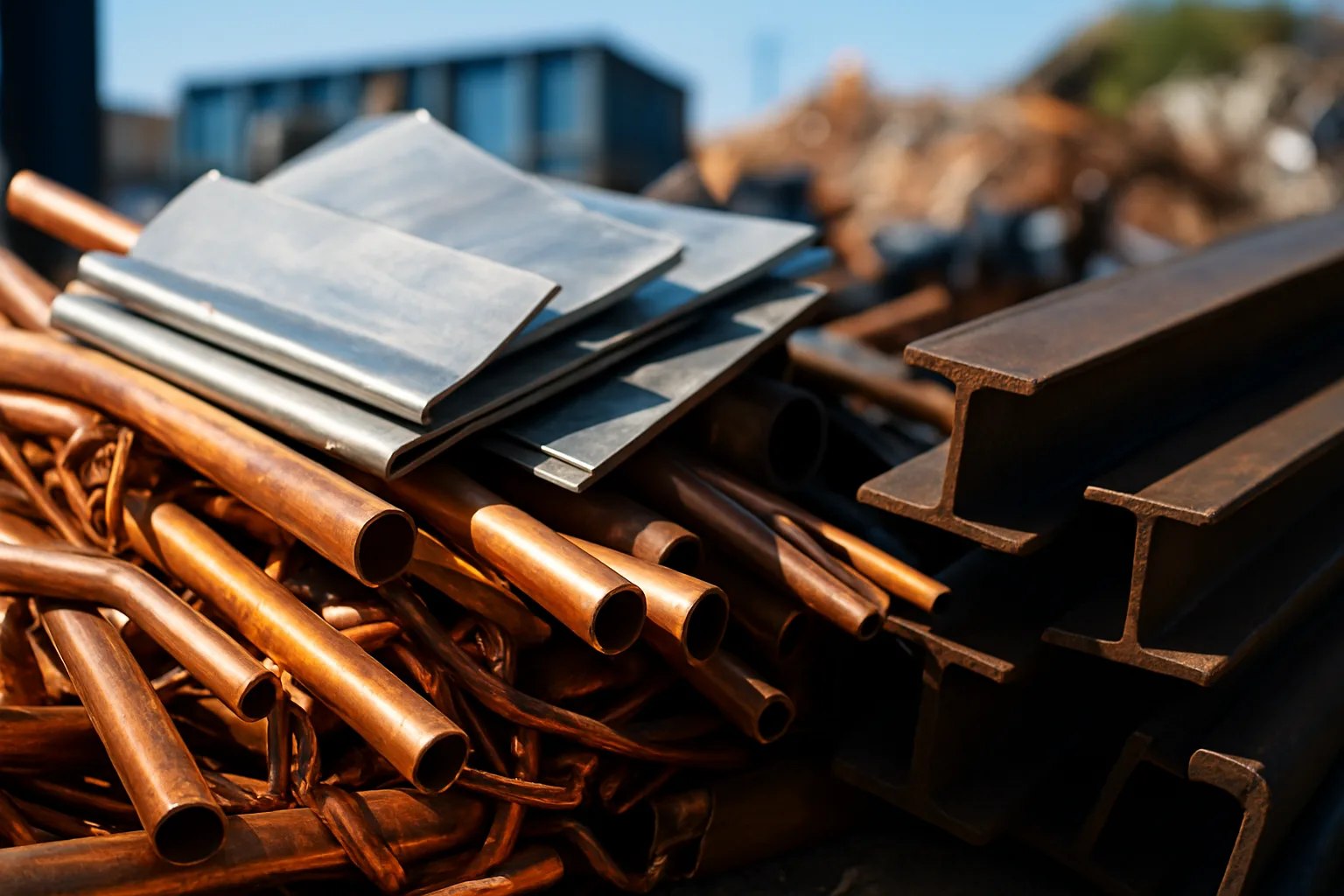
Steel vs. Iron Scrap: Why the Price Difference Matters More Than You Think
Most people hauling metal to the yard treat steel and iron like they're interchangeable. They're not — and that assumption could be costing you money every single load. Understanding the price gap between steel scrap and cast iron isn't just trivia. It changes how you sort, how you store, and how much you walk away with.
If you're selling scrap metal in Las Vegas — whether you're clearing a job site, running a demolition crew, or just cleaning out a property — knowing what you've actually got in your pile is the first step to getting paid fairly for it. Let's break this down the right way.
What's the Actual Difference Between Steel and Iron Scrap?
Steel and iron are both ferrous metals, meaning they both contain iron and are attracted to a magnet. That's where the similarity gets blurry for most sellers. The difference comes down to carbon content and how each metal was made.
Cast iron has a higher carbon content — typically above 2%. It's brittle, heavy for its size, and breaks rather than bends. Think old engine blocks, radiators, pipe fittings, and vintage cookware. Steel has lower carbon content, which makes it more flexible, weldable, and far more commonly used in modern construction and manufacturing. Structural beams, rebar, sheet metal, car frames — that's steel territory.
- Cast iron scrap: Engine blocks, brake rotors, old radiators, water pipe, cookware, machine bases
- Steel scrap: Rebar, sheet metal, structural beams, car bodies, appliances, metal shelving
- Stainless steel: A separate category — higher value due to nickel and chromium content
Yards price these differently because mills process them differently. Cast iron requires a hotter melt and has specific applications in foundry work. Steel scrap feeds electric arc furnaces and has broader demand across the construction and manufacturing sectors. Supply, demand, and processing cost all drive the spread.
Why Scrap Metal Prices in Las Vegas Vary by Metal Grade
Pricing in scrap is never flat. Scrap metal prices Las Vegas yards post will shift based on global commodity markets, regional demand, and what buyers actually need on a given week. Cast iron typically prices lower per pound than prepared steel — but "typically" does a lot of work in this industry. Market conditions in 2026 have kept both ferrous categories moving, and the spread between them fluctuates.
What doesn't change is this: mixed, unsorted metal almost always gets downgraded. If you bring in a load with cast iron and steel jumbled together, the yard grades the whole thing down to protect their margin. Sorting your material — even a rough sort — gives buyers more confidence and gives you a stronger starting position on price.
This is exactly where scrap metal inventory management pays off. Sellers who document their loads, separate grades, and show up with accurate weights get treated differently than sellers who back up a random pile and shrug. Platforms like find the best price for your scrap on SMASH are built around this principle — documented inventory creates competition, and competition creates better price discovery.
How to Tell Steel from Iron on the Job Site or in Your Yard
You don't need lab equipment to get this right. A few quick field tests help you sort accurately before you haul anything.
The break test: Cast iron snaps cleanly. If you can snap a corner off with a hammer and it fractures rather than deforms, it's likely cast iron. Steel bends before it breaks — it deforms plastically under force.
Visual clues: Cast iron is often thicker-walled for its application and has a rough, grainy surface texture at breaks. Steel tends to be smoother and is more commonly found in rolled, stamped, or extruded forms.
Weight: Cast iron is dense. An engine block feels heavier than its size suggests compared to a fabricated steel weldment of similar dimensions.
Color at grinding: Grind a small spot on each. Cast iron throws short, dull orange sparks. Steel produces long, bright white sparks that branch out. This isn't always practical in the field, but it's a reliable identifier when you need certainty.
For Nevada sellers hauling larger mixed loads, doing this sort before you show up saves time at the scale and prevents downgrade penalties. Sell your scrap metal on GetMyScrap to connect with buyers who value properly sorted, documented material.
Non-Ferrous Scrap and Copper: Where the Real Money Lives
Steel and iron are volume plays. The price per pound is lower, but loads can be heavy, and it adds up. Non-ferrous metals — copper, aluminum, brass, stainless — are where per-pound values jump significantly.
Copper scrap prices Las Vegas yards are quoting in 2026 reflect ongoing demand from electrical infrastructure buildout, EV manufacturing, and data center construction. Las Vegas alone has seen substantial commercial development that keeps copper demand — and therefore copper scrap value — elevated in the regional market. Bare bright copper, #1 copper, and #2 copper all price differently based on cleanliness and contamination.
The hierarchy looks roughly like this (always verify current rates — prices fluctuate daily):
- Bare bright copper — stripped, clean, no solder or coatings — top of the category
- #1 copper — clean pipe and wire, minimal oxidation
- #2 copper — mixed copper with some solder, fittings, or light contamination
- Insulated wire — priced by copper recovery percentage, varies by jacket thickness
- Brass and bronze — separate categories, typically priced below clean copper
If you're hauling both ferrous and non-ferrous from the same site, keep them in separate bins from the start. Mixing copper into a steel load doesn't upgrade your steel — it just creates separation headaches at the yard. Explore scrap metal selling guides for more on how to prepare different metal types for maximum return.
Disclaimer: Scrap metal prices fluctuate based on commodity markets, regional supply, and buyer demand. Always verify current rates with your local yard or through a platform like SMASH before hauling material.
How to Recycle Scrap Metal Correctly — and Get Paid More for It
Knowing how to recycle scrap metal goes beyond showing up at a yard with a truckload of mixed metal. The sellers who consistently get better outcomes — not just luck, but consistently — do a few things differently.
1. Sort before you go. Ferrous and non-ferrous in separate piles. Within non-ferrous, separate copper grades, aluminum, and brass. Within ferrous, keep prepared steel (cut to size, clean) away from cast iron and shredder feed.
2. Document your loads. Weigh what you can before you haul. Take photos. Note what grades you're bringing. This matters especially if you're selling larger volumes — documentation gives buyers confidence, and confident buyers bid more competitively.
3. Know your volume before you call. Yards and buyers respond better when you can tell them what you have, how much, and when it's available. Vague inquiries get vague responses.
4. Use competitive platforms. A single buyer, a single phone call, a single price — that's the old model. SMASH puts your documented load in front of multiple vetted buyers, creating real price discovery instead of a take-it-or-leave-it offer. No subscription fees. They only make money when the deal closes. For sellers in Las Vegas scrap metal services, this kind of transparency is a real advantage in a market where prices move fast.
5. Understand BOLs and packing lists. If you're moving commercial volumes, a proper bill of lading and itemized packing list aren't just paperwork — they protect you if weights or grades are disputed at delivery.
Selling Scrap in Las Vegas: What Local Sellers Should Know in 2026
Nevada's construction pace hasn't slowed down. Large-scale commercial, hospitality, and infrastructure projects across the Las Vegas metro continue to generate significant volumes of both ferrous and non-ferrous scrap. That's good news for local sellers — regional demand for scrap is real, and yards in the area are actively buying.
What's changed in 2026 is how sellers approach the market. More commercial sellers are moving away from verbal quotes and single-buyer relationships. Documented loads, competitive bids, and platforms that create actual price competition are becoming the standard — not the exception. If you're still calling one contact and accepting whatever they offer without checking the market, you're leaving money on the table.
Whether you're dealing with engine blocks from a fleet operation, copper wire from a renovation job, or a mixed load from a property cleanout, the fundamentals are the same: sort it, document it, and put it in front of more than one buyer. Get a fair price for your scrap today by using a platform that works in your interest, not just the buyer's.
Getting your scrap picked up, priced fairly, and moved efficiently is what SMASH was built for. If you're ready to stop guessing at your scrap metal value, start there.
Frequently Asked Questions
Q: What is the difference between cast iron scrap and steel scrap prices?
Cast iron typically prices lower per pound than prepared steel scrap because it requires different processing and has a narrower range of end uses. Steel scrap feeds electric arc furnaces across a wide range of manufacturing applications, making it more broadly in demand. That said, both prices move with commodity markets — check current rates before you haul. A platform like SMASH lets you see what vetted buyers are actually willing to pay.
Q: How do I know if my scrap metal is steel or cast iron?
Cast iron is brittle and will fracture or snap rather than bend. It's often thicker-walled with a rough, grainy texture at broken edges. Steel bends under force rather than breaking cleanly. You can also use a grinder: cast iron produces dull orange sparks, while steel sparks are bright white and branch outward. Correct identification helps you avoid downgrade penalties at the yard.
Q: What are copper scrap prices in Las Vegas right now?
Copper scrap prices Las Vegas yards quote fluctuate daily based on commodity markets, copper grade, and regional demand. Bare bright copper commands the highest rate, followed by #1 copper, #2 copper, and insulated wire. Always verify current rates directly with your yard or through a competitive platform before hauling. Prices in 2026 have been influenced by strong demand from construction, EV manufacturing, and data infrastructure projects across Nevada.
Q: How do I get the best scrap metal prices near me in Las Vegas?
Sorting your material by type and grade is the single biggest thing you can do before showing up at a yard. Beyond that, using a platform that puts your load in front of multiple vetted buyers — instead of accepting one verbal quote — creates real price competition. SMASH is built exactly for this. Document your load, list it, and let buyers compete for it rather than accepting the first number you hear.
Q: Can I get scrap metal pickup in Las Vegas, Nevada?
Yes. Commercial volumes of scrap — ferrous loads, copper, catalytic converters, and mixed non-ferrous — can often be picked up directly from your site. GetMyScrap connects sellers across Nevada with buyers and logistics partners who handle pickup. For larger loads, having your material sorted, weighed, and documented in advance speeds up the process and avoids disputes at pickup or delivery.
Ready to stop guessing what your scrap is worth? Get a fair price for your scrap metal — request a pickup at getmyscrap.com and let the market tell you what your load is actually worth.
Stay current on scrap metal market trends, pricing signals, and industry news — follow SMASH on LinkedIn for regular updates from the scrap commodity market.
```