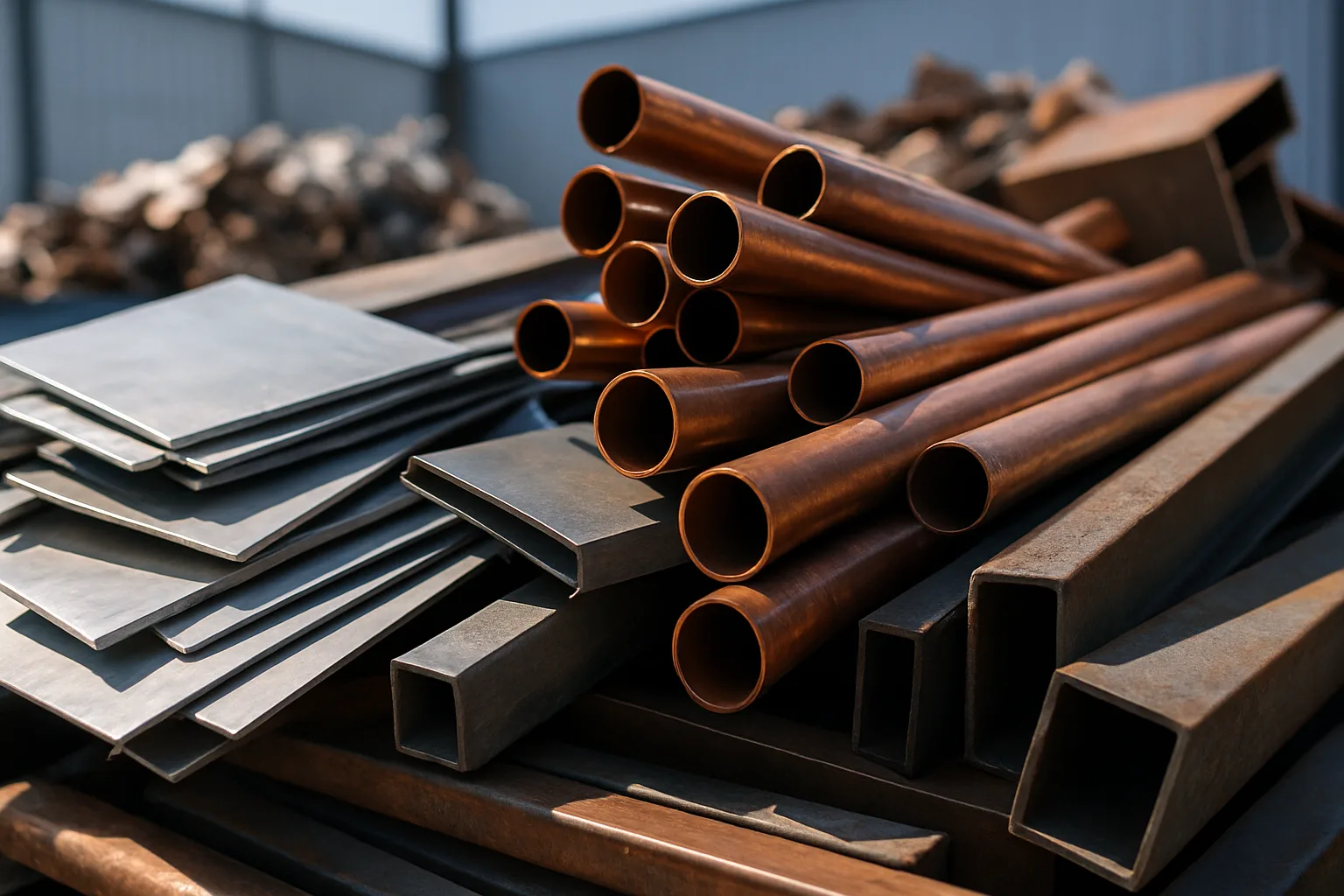
Why Environmental Rules Around Scrap Metal Recycling Newark Matter More Than Ever
New Jersey has some of the strictest environmental regulations in the country — and Newark sits right at the center of that regulatory landscape. If you're hauling copper, aluminum, steel, or catalytic converters to a yard, you're already participating in one of the most environmentally beneficial industries in the U.S. But there's more to it than dropping off a load and collecting a check. Understanding the environmental rules around scrap metal recycling Newark protects you legally, helps you get better prices, and keeps the industry clean for everyone who depends on it.
Scrap metal recycling diverts millions of tons of material from landfills every year. That's not a marketing line — it's a measurable, documented impact. Every ton of steel recycled saves roughly 1.4 tons of iron ore from being mined. Every pound of copper recovered from wire, pipe, or industrial equipment is a pound that doesn't require new extraction. In a dense urban area like Newark, where industrial history runs deep and available land is limited, proper recycling practices aren't optional. They're essential.
New Jersey's Regulatory Framework for Scrap Metal Dealers
The New Jersey Department of Environmental Protection (NJDEP) oversees how scrap yards operate, what materials they can accept, and how those materials must be stored and processed. If you're a yard operator in or around Newark, you're likely familiar with the Solid Waste Management Act and the permits required to handle certain categories of material. For individual sellers, the regulations are less burdensome — but not irrelevant.
New Jersey law requires scrap metal dealers to keep detailed records of transactions, including seller identification and material descriptions. This isn't bureaucratic overhead. It's theft deterrence and environmental accountability rolled into one. Stolen copper wire pulled from live infrastructure, for example, often contains residues that make it hazardous to process. Proper documentation creates a chain of custody that protects legitimate sellers and keeps bad actors out of the market.
- Transaction records: Dealers must log seller ID, material type, weight, and purchase price for most transactions.
- Restricted materials: Certain items — like utility wire with intact tags — require additional verification before purchase.
- Hazardous material handling: Lead-acid batteries, refrigerants, and mercury-containing components require separate handling protocols.
- Stormwater compliance: Yards must manage runoff to prevent metal-laden water from entering Newark's drainage systems.
These rules exist because scrap yards, when poorly managed, can become significant sources of soil and water contamination. Newark's industrial past means the city already carries a heavy environmental burden. Compliant recycling operations are part of the solution, not an addition to the problem.
What This Means for Sellers: Copper Scrap Prices Newark and Proper Documentation
Here's the practical reality: documented loads sell better. When you arrive at a yard with clean, sorted, properly identified material, you're not just making the buyer's job easier — you're often unlocking better copper scrap prices in Newark and across New Jersey. Yards that operate under strict environmental compliance tend to be the same yards that attract serious buyers who pay competitive rates. There's a direct line between regulatory compliance and price discovery.
Copper is where this matters most. Bare bright copper, #1 copper, and #2 copper all carry different values — and contaminated or mixed copper drops in grade fast. If your copper has insulation, solder, or other attachments, that affects both its environmental classification and its market price. Sorting your material before you sell isn't just good practice; it's how you capture the best price available. For individual sellers in Newark looking to sell your scrap metal on GetMyScrap, clean and sorted loads consistently result in stronger offers.
When selling catalytic converters, documentation becomes even more critical. Cats carry precious metal content — platinum, palladium, rhodium — and they're a frequent target for theft. New Jersey law requires sellers to provide proof of vehicle ownership or a signed bill of sale when selling converters. Platforms that let you sell catalytic converters online with proper serial tracking and photo documentation give buyers the confidence to bid competitively. No documentation, no competitive bids. It's that simple.
The Environmental Case for Competitive Pricing: Why More Buyers Helps
Here's something the industry doesn't talk about enough: single-buyer markets don't just hurt your price — they can also hurt environmental outcomes. When a seller has only one option, they take what they're offered or they hang onto the material. Material that sits around in informal storage creates real environmental risk. Unsecured batteries leak acid. Oil-contaminated steel corrodes. Improperly stored refrigerant-containing components vent into the atmosphere.
Competitive markets move material faster. When sellers can access multiple vetted buyers through a platform like sell your scrap metal on the SMASH marketplace, loads turn over quickly. That's good for the seller's cash flow and good for the environment. Material in a compliant facility is being processed correctly. Material sitting in a parking lot or a back yard is not.
Platforms like SMASH bring transparency to a market that has historically operated on handshakes and guesswork. Photo documentation, serial number tracking, and structured auction formats mean buyers know exactly what they're bidding on. That confidence drives participation, and participation drives better price discovery. More buyers bidding on documented loads is how the market is supposed to work — and it's how environmental accountability actually gets enforced through market incentives rather than just regulatory penalties.
Catalytic Converters, Precious Metals, and New Jersey's Theft Prevention Rules
New Jersey tightened its catalytic converter theft prevention laws in recent years, and those rules are actively enforced in Newark and across the state. Selling a converter without proper documentation isn't just legally risky — it signals to buyers that the material may be compromised, which tanks your negotiating position before you even start.
The right way to get the best price for catalytic converters in New Jersey is to come prepared:
- Have your title or registration. If you're pulling a cat from a vehicle you own, carry the paperwork.
- Know the serial number. Converters have identification numbers. Documenting these protects you and the buyer.
- Take photos before and after removal. This creates a record that the converter came off your vehicle, not someone else's.
- Use a platform with VIN lookup. Cross-referencing converter serials with vehicle history removes any ambiguity for buyers.
Sellers who do this homework consistently get better offers. Buyers pay a premium for clean, documented inventory because it reduces their own compliance exposure. If you're looking for Newark scrap metal services that handle this process correctly, start with platforms and yards that prioritize documentation from the first point of contact.
Getting the Best Scrap Metal Prices in New Jersey: What Environmentally Responsible Selling Looks Like
Chasing the best scrap metal prices in New Jersey isn't just about showing up at the right yard on the right day. It's about presenting material that buyers want to compete for. Environmental compliance and pricing are more connected than most sellers realize. Clean material, proper documentation, and a competitive auction format are the three variables that move the needle.
Start by sorting your load. Copper wire separated from copper pipe. Aluminum cans kept apart from aluminum extrusions. Steel separated from mixed metals. A few minutes of sorting at the source can meaningfully change the price per pound you receive. This is true whether you're a first-time seller clearing out a renovation site or a yard operator moving commercial loads.
Next, choose where you sell with the same care. The old model — one phone call, one buyer, one price — doesn't serve you. Competitive platforms that bring vetted buyers to your inventory give you actual market price discovery, not a single buyer's margin target. If you want to get a fair price for your scrap today, you need competition. No competition means you're guessing, and the guess rarely favors the seller.
Newark's recycling ecosystem is active and growing. Industrial volumes come out of the port, the rail yards, and the surrounding manufacturing corridor. Residential volumes come from renovation, demolition, and end-of-life vehicles. If you want to understand how all of it connects — regulations, pricing, logistics — explore scrap metal selling guides that break down each material category and what drives its market value.
The bottom line: recycling scrap metal in Newark the right way means following the rules, documenting your loads, sorting your material, and selling into a competitive market. Those four things together are how you maximize your return and minimize your environmental and legal exposure. When you're ready to move your material, request a pickup and put your load in front of buyers who are actually competing for it.
Get a fair price for your scrap metal — request a pickup at getmyscrap.com.
Follow SMASH on LinkedIn for scrap metal market updates, pricing trends, and industry news across North America.
Frequently Asked Questions
Q: Do I need ID to sell scrap metal in Newark, New Jersey?
Yes. New Jersey law requires scrap metal dealers to verify seller identity and record transaction details. Most yards will ask for a government-issued photo ID before completing a purchase. This applies to both individual sellers and commercial accounts.
Q: Can I sell catalytic converters in Newark without vehicle paperwork?
Not legally, and not at a competitive price. New Jersey requires sellers to provide proof of vehicle ownership or a signed bill of sale when selling catalytic converters. Buyers also pay more for documented converters because it reduces their own compliance risk — so proper paperwork directly helps your price.
Q: What materials can't I legally bring to a scrap yard in New Jersey?
Certain materials require special handling — including lead-acid batteries, refrigerant-containing appliances, and mercury-containing devices. Most compliant yards accept these but process them separately under specific environmental protocols. Call ahead to confirm what your local yard accepts and how they handle restricted materials.
Q: How do I find the best copper scrap prices near Newark?
Copper prices change daily based on commodity markets. Your best strategy is to sort your copper by grade — bare bright, #1, #2, insulated wire — and sell through a platform where multiple buyers can bid on your load. Price discovery through competition consistently outperforms single-buyer negotiation.
Q: Is scrap metal recycling near me in Newark environmentally regulated?
Yes. Newark yards operate under NJDEP oversight, which covers permitting, stormwater management, hazardous material handling, and transaction record-keeping. Choosing a compliant, documented recycling operation protects both the environment and your legal standing as a seller.
Disclaimer: Scrap metal prices fluctuate daily based on commodity markets, material grade, and buyer demand. Always check current rates before making selling decisions.