How to Start a Small Scrap Metal Collection Side Business in Dearborn
Most people sitting on a pile of old copper wire, aluminum rims, or worn-out appliances have no idea they're looking at real money. In a city like Dearborn, Michigan — surrounded by automotive manufacturing, heavy industry, and decades of metal infrastructure — scrap is everywhere. The question isn't whether the material exists. It's whether you're organized enough to collect it, price it right, and sell it smart.
This guide breaks down exactly how to start a small scrap metal collection side business, from your first load to your first competitive auction. Whether you're hauling the occasional copper pipe or building a steady route of industrial accounts, the fundamentals are the same. And if you want to sell your scrap metal on GetMyScrap, you're already one step ahead of most collectors who still rely on a single buyer and a handshake deal.
Why Dearborn Is One of the Best Places to Start Collecting Scrap Metal
Location matters in this business. Dearborn sits at the heart of one of North America's most metal-dense regions. Ford's Rouge Complex alone has been generating industrial scrap for over a century. Add in the auto suppliers, machine shops, demolition contractors, and residential density packed into Wayne County, and you've got a sourcing environment most collectors across the country would envy.
The Michigan scrap market moves. Copper prices fluctuate with global demand. Aluminum follows the mills. Steel tracks construction cycles. But the supply side in this region stays consistent — auto parts, HVAC systems, electrical wire, catalytic converters, and structural steel don't disappear. They change hands. Your job as a collector is to be the person they change hands with.
There's also a growing community of small operators running pickup routes in the greater Detroit metro. They're not full-scale recycling yards. They're one- or two-person operations with a truck, a scale, and a plan. The barrier to entry is low. The margin potential — especially when you move from yard-gate pricing to scrap metal auction platforms — is real.
What Metals to Focus on First (and What to Skip)
Not all scrap is worth your time. When you're starting out, focus on metals with consistent demand and manageable handling requirements. Here's a practical breakdown:
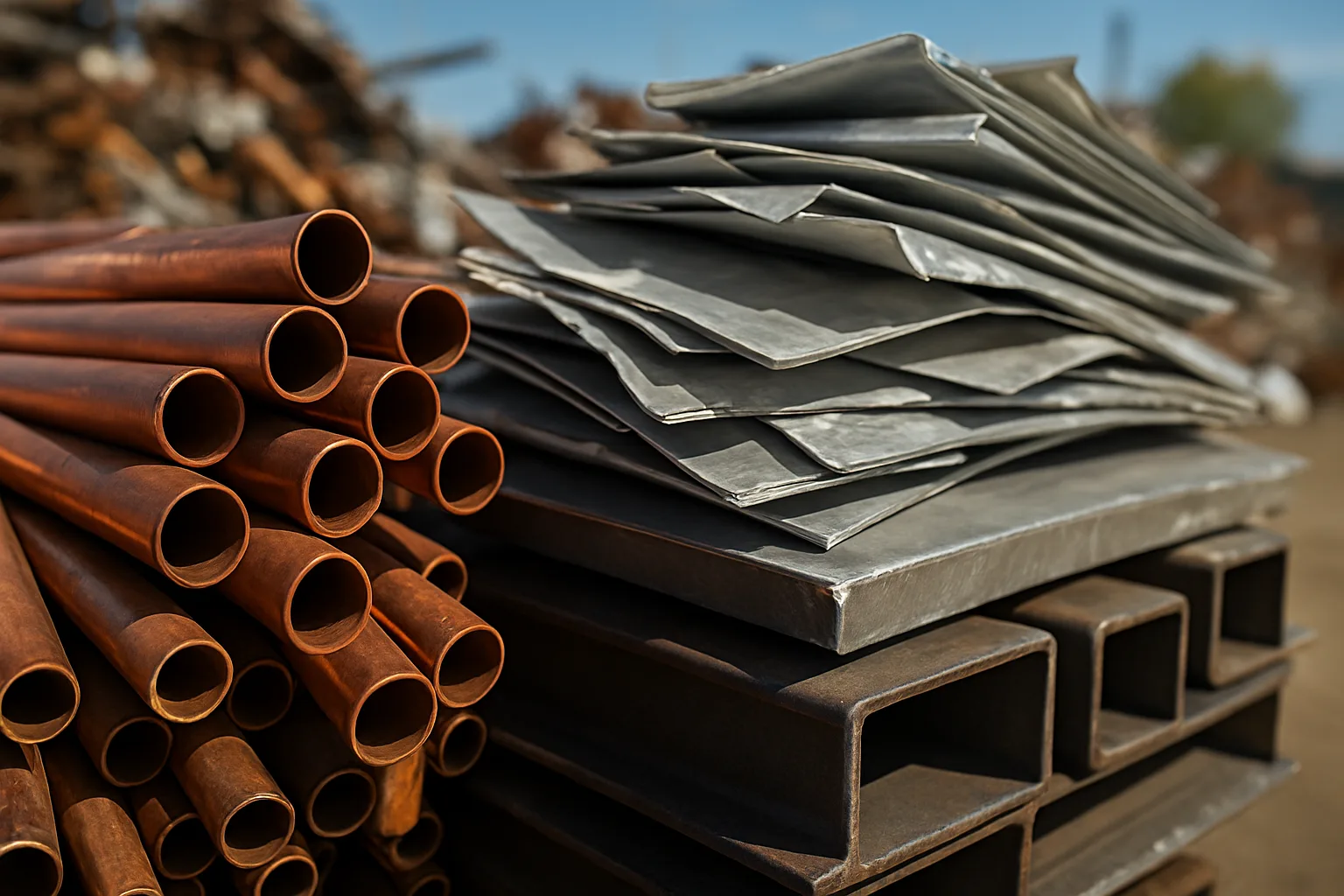
- Copper — The highest value non-ferrous metal by weight. Bare bright copper wire, #1 and #2 copper, and copper pipe from HVAC and plumbing jobs are all strong sellers. Even a small load commands attention from buyers.
- Aluminum — Cast aluminum, extruded aluminum, and clean aluminum wheels move well. Volume matters more here since the price-per-pound is lower than copper, but loads accumulate fast in auto-heavy areas.
- Catalytic converters — High-value, compact, and everywhere in a region like Dearborn where older vehicles are common. If you want to sell my scrap catalytic converters, make sure you know your grades. PGM content varies dramatically between makes and model years.
- Steel and iron — Lower value per pound but massive volume potential. Good for filling out loads and building yard relationships early on.
- Electronics and e-scrap — Skip this until you understand the grading. Mispriced e-scrap is a fast way to lose money on a load.
Your sourcing strategy should match your logistics. If you're running a pickup truck, copper and cats pay better per trip than bulk steel. If you have trailer capacity, mixed ferrous loads make more sense. Know your margins before you commit to a route.
Building Your Sourcing Network: Where the Scrap Actually Comes From
The collectors who build real income don't find scrap by accident. They build systems. Here's how to develop consistent supply in a city like Dearborn:
- Contractors and tradespeople — Electricians, plumbers, and HVAC techs generate copper and aluminum constantly. Offer to haul their job-site scrap for free or a small split. They get a clean site. You get material.
- Auto repair shops — Catalytic converters, rotors, aluminum suspension parts, and steel exhaust components. Most shops accumulate this faster than they want to deal with it.
- Demolition and renovation crews — Structural steel, copper wiring, aluminum flashing, cast iron radiators. One demo site can produce weeks of material.
- Apartments and property managers — Appliance turnover generates aluminum, copper, and steel consistently. Build a relationship and become their go-to removal contact.
- Online sourcing — Facebook Marketplace and Craigslist are full of free or cheap scrap. A reliable pickup schedule and fast response rate builds a reputation quickly in local communities.
Consistency beats volume at this stage. A handful of reliable sources that produce steady loads every two to four weeks is worth more than a one-time jackpot. Track your sources, follow up, and show up when you say you will.
Pricing Your Scrap Right: Stop Guessing and Start Using Market Data
One of the biggest mistakes new collectors make is accepting the first number they hear. You call one yard, they quote you a price, you take it. That's the old way. It works — for the yard. Not necessarily for you.
Checking scrap metal prices today before you move a load takes five minutes and can be the difference between leaving money on the table and getting paid what the market actually supports. Prices shift with LME copper benchmarks, aluminum futures, and regional mill demand. What one yard quotes on a Tuesday morning might be noticeably different from what another yard offers by Thursday afternoon.
This is exactly where platforms like smashscrap.com change the math. Instead of calling one buyer, you're creating competition. The SMASH scrap metal auction model puts your documented load in front of vetted buyers who are actively bidding. More buyers means better price discovery. That's not marketing language — that's how markets work.
For collectors building a side business, that pricing difference per load compounds over time. Even a modest improvement on a regular copper or catalytic converter load adds up fast across a year of consistent volume. If you want the best price for scrap, comparison matters. Don't settle for one quote.
Documentation, Compliance, and Getting Paid Clean
This part of the business isn't glamorous, but it keeps you out of trouble and builds buyer trust fast.
Michigan has scrap dealer regulations that require documentation for certain metals — particularly catalytic converters and copper. Know the rules before you move material. Buying from unknown sources without proper documentation isn't just a compliance issue; it's a liability that can shut down a new operation before it gets started.
On the documentation side, good habits from day one make every transaction cleaner:
- Photograph every load before you move it. Weight, grade, and condition photos protect you in any dispute.
- Keep records of where material came from — contractor names, job addresses, supplier contacts.
- Use packing lists and BOLs when you're moving larger loads to buyers or yards.
- For catalytic converters, track serial numbers where visible. Buyers pay more for documented cats than mystery loads.
Platforms like SMASH build this into the process. Photo documentation, serial tracking, and inventory tools aren't add-ons — they're part of how loads get listed and sold. Documented inventory gives buyers more confidence, and that confidence shows up in bid prices. You can also get a fair price for your scrap today by making sure your loads are properly graded and presented before they hit any market.
Scaling Up: When a Side Hustle Becomes a Real Operation
Most collectors start with a pickup truck and a few accounts. The ones who scale have one thing in common: they treat it like a business from the start, not a hobby.
When you're ready to grow, think about these levers:
- Expand your sourcing radius — Add accounts in neighboring areas. Southeast Michigan is dense with industrial and residential scrap sources.
- Upgrade your equipment — A trailer or box truck opens up ferrous volume that a pickup can't handle. Ferrous loads with lower per-pound value need volume to be worth the trip.
- Specialize in high-value streams — Cats, copper, and non-ferrous concentrations are where experienced collectors focus when they want to move fewer loads for more money.
- Use auction platforms for larger loads — Once you're regularly accumulating 500 lbs or more of non-ferrous material, the yard-gate model starts costing you margin. Competitive auctions recover that margin.
The side business model works because the overhead is low and the supply is consistent in a market like Dearborn. But the ceiling on a yard-gate, single-buyer approach is real. If you want to grow past it, you need price competition working in your favor. That's what the scrap metal auction model delivers.
Ready to stop guessing and start selling smarter? Explore scrap metal selling guides for more practical breakdowns on pricing, grading, and getting the most from every load.
Whether you're just sorting your first copper load or building your third sourcing route in southeast Michigan, the fundamentals hold: know your material, document it properly, and get it in front of more than one buyer. That combination — supply discipline, clean documentation, and competitive selling — is what separates collectors who make real money from those who leave it at the yard gate.
When you're ready to move your next load, sell your scrap metal on GetMyScrap and find out what your material is actually worth in a competitive market.
Frequently Asked Questions
Q: How do I find buyers when I want to sell scrap metal near me in Dearborn?
Start by identifying local scrap yards and recycling facilities in the Dearborn and greater Wayne County area. Beyond single-buyer yard sales, platforms like SMASH connect sellers to vetted buyers across North America through a competitive auction format — which can improve pricing on quality loads of copper, aluminum, and catalytic converters.
Q: What are the best metals to collect for cash as a side business near Dearborn?
Copper, aluminum, and catalytic converters offer the strongest value-per-pound for collectors working with limited truck capacity. In the Dearborn area, auto industry proximity means catalytic converters and aluminum parts are particularly accessible. Focus on clean, sorted loads — mixed or contaminated material always prices lower.
Q: How do scrap metal prices today affect what I get paid?
Scrap metal prices fluctuate daily based on commodity markets, regional demand, and mill buying activity. Copper tracks LME benchmarks. Aluminum follows futures. Checking current prices before you move a load helps you time sales and compare offers more effectively. Never accept a single quote without knowing where the market sits. Note: Prices fluctuate — always verify current rates before selling.
Q: Is a scrap metal auction better than selling directly to a yard?
For documented, sorted loads of non-ferrous material or catalytic converters, a competitive auction puts multiple vetted buyers against each other — which is how markets find real pricing. Selling to a single yard means accepting one number with no leverage. SMASH operates on the auction model specifically because competition reveals market value better than a single phone call does.
Q: Do I need a license to collect and sell scrap metal in Michigan?
Michigan regulates scrap dealers, particularly around catalytic converters and certain non-ferrous metals. Requirements vary by volume and business structure. If you're operating regularly and commercially, check with your local municipality and Michigan's secondary metal recycler regulations before scaling up. Documentation and compliance aren't optional — they protect your operation and your buyers.
Follow SMASH on LinkedIn for scrap metal market updates, auction insights, and industry news: linkedin.com/company/scrap-metal-auction-sales-hub.