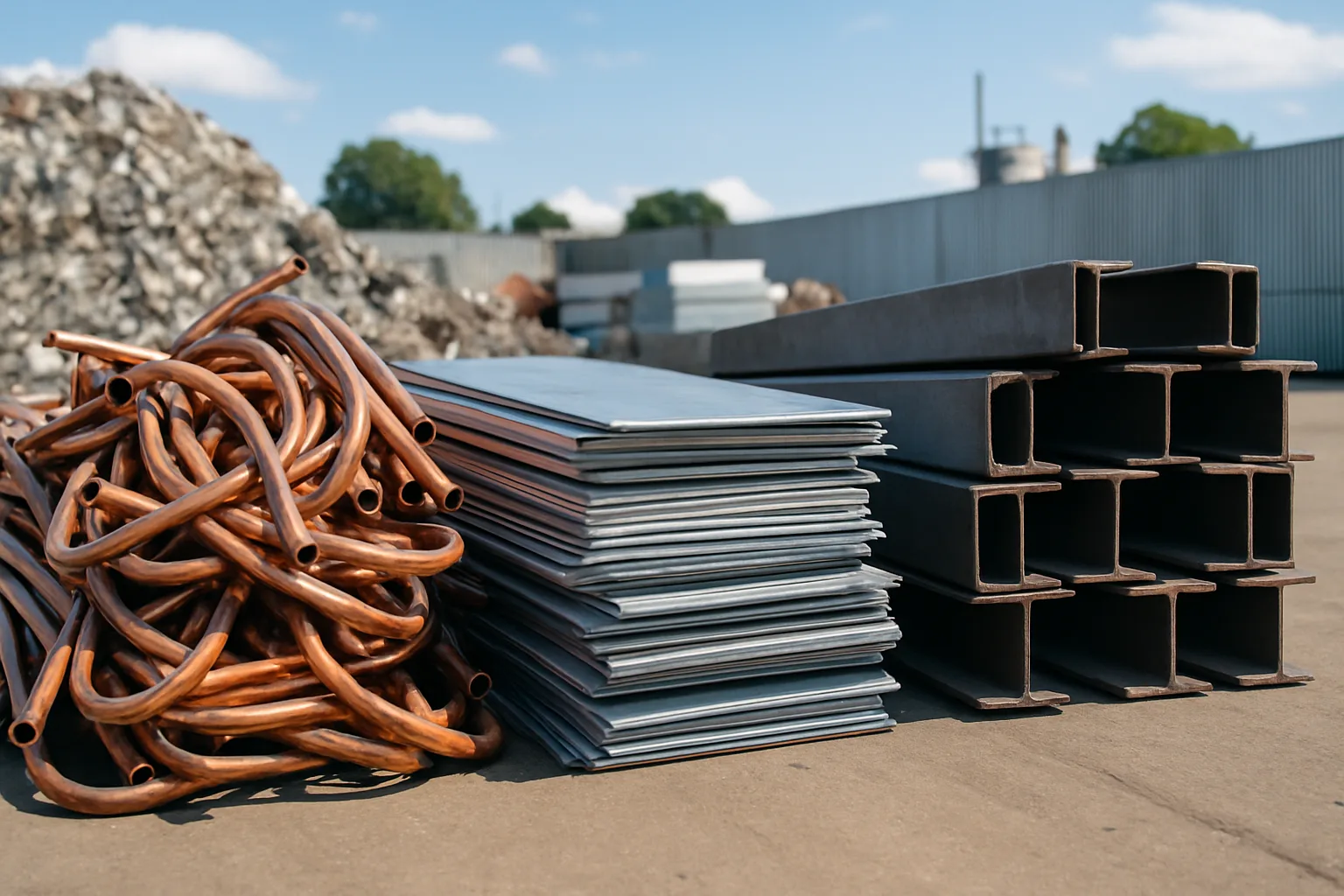
Which Scrap Metals Actually Make You Money in 2026?
Most people toss everything into one pile and hope for the best. That's leaving real money on the table. The scrap metal market in 2026 rewards the collectors who know what they're holding — and who to sell it to. Whether you're cleaning out a commercial job site in Worcester or sorting a garage full of old appliances, knowing which metals pay and which ones barely cover your time changes everything.
This isn't about chasing every pound of iron you can find. It's about identifying the metals with the highest value-to-weight ratio, understanding what drives those prices, and putting your material in front of real buyers through a sell your scrap metal on the SMASH marketplace — where competition between vetted buyers does the price discovery work for you.
Copper: Still the King of Scrap Metal Prices Near Me
Copper consistently sits at the top of the value chart. Bare bright copper wire, clean #1 copper pipe, and copper bus bar all command premium prices because demand from electrical infrastructure, EV manufacturing, and construction never really lets up. Globally, copper supply constraints have kept prices elevated through 2026, and that pressure is felt all the way down to the yard level.
If you're collecting copper in Massachusetts, separation matters. Mixed or contaminated copper — insulated wire, copper with solder or fittings — pays significantly less than clean material. Taking the time to strip wire or separate alloys before you bring it in can meaningfully increase what you walk away with. When you sell your scrap metal on GetMyScrap, clean, documented copper loads get better attention from buyers because they know exactly what they're getting.
- Bare bright copper: Highest grade — clean, uncoated, unalloyed wire
- #1 copper: Clean pipe and solid copper with no fittings or solder
- #2 copper: Mixed copper with minor contamination, oxidation, or fittings
- Insulated copper wire: Value depends heavily on copper recovery percentage
Don't guess what you have. Sort it, photograph it, and let the market tell you what it's worth. That's exactly how SMASH approaches every load — documented inventory, real competition, no guesswork.
Catalytic Converters: High Value, High Complexity — Know Before You Sell
Catalytic converters are one of the most misunderstood materials in the scrap market. They contain platinum group metals (PGMs) — platinum, palladium, and rhodium — which are worth serious money. But the value swings wildly depending on the specific converter, the make and model of the vehicle it came from, and current PGM spot prices. Two converters that look identical on the outside can have completely different payouts.
If you're in Worcester or anywhere across Massachusetts collecting cores from auto shops, dealerships, or end-of-life vehicles, using a platform with VIN lookup and serial tracking isn't optional — it's how you protect yourself and get the best price for catalytic converters. Buyers pay more when they can verify what they're buying. Platforms like SMASH use photo documentation and serial tracking to give buyers the confidence to bid competitively, which is how you find the best price for your scrap catalytic converters rather than settling for a lowball offer from a single buyer.
The old way: call one buyer, accept their number, move on. The new way: document your converters properly and put them in front of multiple vetted buyers simultaneously. Competition reveals the market. One phone call hides it.
Aluminum Scrap Value Per Pound: Light Metal, Real Returns
Aluminum is everywhere — window frames, automotive parts, beer cans, industrial extrusions, HVAC equipment. It's not copper, but it's also not nothing. Aluminum scrap value in 2026 remains strong, driven by automotive lightweighting trends and packaging demand. And because aluminum is abundant and easy to collect, it's often the bread-and-butter material for smaller collectors and contractors.
The grades matter here too. Cast aluminum, extrusions, and clean sheet aluminum all pay differently. Painted or contaminated aluminum gets docked. Auto sheet from dismantled vehicles is a common source — clean it up and you'll see a better return. In Massachusetts, where construction activity and commercial renovation projects generate significant aluminum scrap, knowing your grades and targeting clean material makes a meaningful difference in your payout.
- Clean aluminum extrusion: One of the better-paying grades — used in window frames, structural components
- Cast aluminum: Lower purity, pays less per pound but widely available
- Aluminum cans (UBC): Lower per-pound value but high volume — adds up fast
- Auto sheet: Depends on condition and contamination level
- Mixed aluminum: Least valuable — sort before you sell
If you want to get a fair price for your scrap today, don't lump your aluminum together. Sort by grade, document the weight, and present it cleanly. Buyers bid higher when they don't have to guess what they're buying.
Steel and Ferrous Scrap: Lower Price Per Pound, But Volume Wins
Steel scrap price today reflects a market that moves with global production — and in 2026, that market has been navigating tariff adjustments and shifting mill demand across North America. Per-pound, steel pays far less than copper or aluminum. But for businesses generating large volumes — demolition contractors, manufacturing facilities, auto recyclers — ferrous scrap adds up fast.
In Worcester and across Massachusetts, industrial and construction sectors generate significant steel scrap: structural steel, rebar, sheet metal, machinery components. If you're running a business with regular ferrous output, the difference between selling to a single mill broker versus putting your load through a competitive auction format can be significant on tonnage. A few dollars per ton might sound small until you're moving 50 tons a month.
The steel scrap market also moves fast. Prices that make sense on Monday can shift by Friday. That's why price discovery through real competition — rather than a single quoted price from one buyer — matters. If you want to explore scrap metal selling guides that break down how ferrous markets work, understanding the basics will help you time your sales and sort your material more effectively.
How to Maximize Scrap Metal Prices Near You — Regardless of What You're Selling
The material is only half the equation. How you sell it determines whether you capture the real market price or leave money behind. Here's what consistently separates the sellers who get good prices from the ones who don't.
- Sort everything before you sell. Mixed loads get mixed pricing — and that usually means lower pricing. Sort by metal type and grade. Clean material commands cleaner prices.
- Document your loads. Photos, weights, grades. Buyers pay more when they have confidence in what they're bidding on. This is especially true for catalytic converters and non-ferrous material.
- Use competitive pricing, not a single quote. One buyer, one phone call, one price — that's not price discovery. That's someone else's margin. A scrap metal auction format puts your material in front of multiple buyers and lets the market set the price.
- Track your timing. Copper and aluminum prices move with commodities markets. If you have flexibility on when you sell, watching price trends can improve your return. Don't sell into a dip if you can wait a week.
- Work with vetted buyers only. Not every buyer pays on time or pays fairly. Platforms like SMASH vet their buyers, which means you're not chasing payments or dealing with lowball surprises at the scale.
Whether you're a Worcester-based auto recycler sitting on a pile of cores, or a Massachusetts contractor with structural steel from a demolition job, these principles apply. The goal isn't to squeeze every last cent — it's to avoid the systematic underpricing that comes from selling blind to a single buyer.
Why a Scrap Metal Auction Changes What You Actually Get Paid
The traditional scrap model is built around information asymmetry. The buyer knows what your material is worth. You don't. They make an offer. You accept or walk. That's the whole game — and it's rigged against the seller by default.
A scrap metal auction flips that dynamic. Your material gets documented and listed. Multiple vetted buyers see it. They compete. You see the bids. The market reveals itself. That's how SMASH works — no subscriptions, no lock-ins. We only make money when you make a sale. That alignment matters. Sell your scrap metal on the SMASH marketplace and let real competition work in your favor.
More buyers means better price discovery. Documented inventory gives buyers more confidence to bid. That confidence translates to better offers — especially on high-value material like catalytic converters and clean copper. It's not magic. It's just how markets are supposed to work.
If you've been calling the same buyer for years and accepting their number without question, it's worth asking: when did you last actually know what your scrap was worth? The answer to that question is what SMASH is built on.
Ready to stop guessing and start selling smarter? Get a fair price for your scrap metal — request a pickup at getmyscrap.com and find out what your material is actually worth in today's market.
Disclaimer: Scrap metal prices fluctuate daily based on commodity markets, regional demand, and material grade. Always check current rates before selling. The values referenced in this article reflect general 2026 market conditions and are not guaranteed price quotes.
Frequently Asked Questions
Q: What is the most profitable scrap metal to collect in 2026?
Copper consistently offers the highest value per pound, followed by catalytic converters (which contain platinum group metals), then aluminum. The actual return depends heavily on grade, cleanliness, and how you sell — a competitive scrap metal auction typically yields better results than a single-buyer quote.
Q: Where can I find the best scrap metal prices in Worcester, Massachusetts?
Prices vary between buyers, which is exactly why selling through a competitive platform gives you better visibility into the real market. Rather than calling one yard and accepting their number, listing your material through a scrap metal auction puts multiple vetted buyers in competition for your load. GetMyScrap and SMASH both connect sellers in Massachusetts with competitive buyers.
Q: How do I get the best price for my scrap catalytic converters?
Document each converter with photos and serial numbers before selling. Catalytic converter values vary dramatically by make, model, and PGM content — buyers pay more when they can verify what they're bidding on. Avoid selling to unlicensed buyers or accepting a single quote without comparison.
Q: Can I sell scrap metal online without hauling it to a yard myself?
Yes. Platforms like GetMyScrap offer pickup options for qualifying loads, and SMASH connects sellers with buyers who may arrange logistics directly. The key is having your material documented — weights, grades, and photos — so buyers can evaluate and bid remotely.
Q: Does a scrap metal auction work for small loads, or only for large commercial volumes?
It depends on the platform and the material type. High-value non-ferrous material like copper and catalytic converters can be worth auctioning even in smaller quantities. For very small loads of lower-value metals like steel, local drop-off may be more practical. The best approach is to get a quote and compare — never assume your load isn't worth the effort.
Stay current on scrap metal market trends and industry updates — follow SMASH on LinkedIn for price insights, selling tips, and what's moving in the North American scrap market.